Cookies Mold: Safe Handling and Prevention Guide
Learn how to safely handle cookies mold, dispose moldy cookies, clean pantry, and prevent future mold growth with practical, proven steps from Mold Removal Lab.


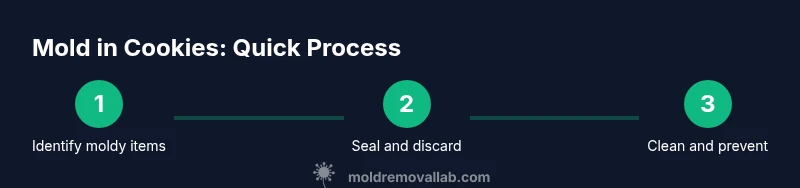
According to Mold Removal Lab, mold on cookies is a sign of pantry moisture and unsafe to eat. If you encounter cookies with mold, discard them immediately and inspect storage conditions. This quick answer previews safe disposal, thorough pantry cleaning, and practical prevention steps to keep future batches mold-free and reduce indoor moisture risks.
What cookies mold is and why it happens
Cookies mold appears when moisture, warmth, and time combine to allow fungal growth on baked goods. Visible mold is a warning sign that the food is unsafe to eat and that storage conditions may be contributing to spoilage. According to Mold Removal Lab, cookies mold indicates a moisture problem in your pantry or storage container. Common culprits include leaks, high humidity, condensation from baking, or leaving cookies in a warm or damp area. Recognizing these factors helps you pinpoint where the risk originates and how to prevent recurrence in the future.
Key takeaways: mold growth on cookies is a storage and moisture issue, not just a cosmetic blemish, and warrants immediate action to protect your health.
Health risks and why you should not eat moldy cookies
Mold on cookies can harbor allergens and mycotoxins that pose health risks, especially for children, older adults, and people with respiratory conditions. While most people avoid moldy foods, exposure can occur through ingestion or inhalation when the package is opened. Based on Mold Removal Lab analysis, mold exposure in stored baked goods should be avoided to minimize symptoms and adverse reactions. If mold is visible, discard the entire batch and any nearby foods that may be contaminated, even if they look fine. In homes, persistent moisture can create ongoing mold risk, so addressing the underlying humidity is essential.
Takeaway: mold exposure is not worth the risk; prioritize safe disposal and environmental controls.
Immediate actions when you find mold on cookies
If you notice mold on cookies, remove the product from shelves promptly and place it in a sealed bag before disposal. Do not sniff, taste, or sample moldy items. Seal the bag tightly to prevent spores from spreading to other foods. This helps protect family members and reduces cross-contamination risk in your kitchen. After disposal, wash hands thoroughly and sanitize any surfaces that may have touched the moldy product.
Tip: act quickly to prevent spores from dispersing and contaminating nearby foods.
Inspect pantry for moisture sources and mold signs
Mold thrives where there is moisture, warmth, and organic matter to feed on. Check for leaks under the sink, roof spills, or water intrusion in cabinets. Look for signs beyond mold: water stains, staining on packaging, dampness, or musty odors. Keeping a moisture ledger can help you track problem areas and time of exposure, guiding remediation steps. If you detect recurring moisture, you may need to address structural or ventilation issues.
Pivotal insight: moisture control is the cornerstone of mold prevention in storage areas.
Cleaning and sanitizing pantry surfaces safely
After removing moldy items, clean shelves with mild soap and water. Rinse and dry thoroughly before applying a disinfectant on non-porous surfaces. If you choose to use a disinfectant, follow label directions and keep area well ventilated. Avoid mixing cleaners, and never use bleach on porous wood if it's damaged or unfinished; instead, use a non-porous surface. This reduces the chance of mold returning and keeps your pantry healthier long-term.
Best practice: prioritize non-porous surfaces for disinfection and ensure complete drying before restocking.
Preventing mold growth in stored cookies
To prevent cookies mold in the future, store cookies in airtight containers in a cool, dry place. Keep pantry humidity under control with proper ventilation and moisture control devices as needed. Rotate stocks using the first-in, first-out method and avoid leaving baked goods in plastic bags that trap moisture. Regularly check expiration dates and inspect containers for signs of moisture or mold. A well-organized, moisture-aware pantry dramatically reduces mold risk.
Proactive tip: set a recurring monthly check for pantry seals and humidity levels.
Long-term storage and humidity control strategies
Long-term prevention relies on keeping the storage environment stable. Use dehumidifiers in damp rooms, ensure good air circulation, and seal gaps where warm air enters. Consider silica gel packets in pantry shelves to absorb moisture, and avoid placing cookies near heat sources like stoves or ovens. Maintaining consistent temperatures and humidity reduces the likelihood of cookies mold recurring. Regular maintenance prevents small issues from becoming big mold problems.
Key concept: environment control beats repeated cleaning for mold-prone foods.
Common mistakes and how to avoid them
Common mistakes include tasting moldy foods, delaying disposal, and using bleach on porous wood surfaces. Do not reuse packaging that has mold stains. Always clean thoroughly and dry before returning items to storage. Replacing worn-out containers can also help maintain a dry environment. By avoiding these missteps, you reduce mold opportunities and improve overall kitchen hygiene.
Authority sources and further reading
Practical mold guidance comes from trusted health and environmental resources. This section provides direct links to official information you can rely on for mold in stored foods and general mold prevention. See the resources below for authoritative guidance from government and university sources.
Tools & Materials
- Disposable gloves(Nitrile preferred for chemical resistance)
- Face mask(Protect from spores during cleaning)
- Sealable plastic bags(For disposing moldy items)
- Trash bags (heavy-duty)(Contain moldy waste securely)
- Dish soap and mild cleaner(For cleaning shelves)
- Cloths or disposable wipes(For wiping surfaces)
- Bucket and spray bottle(Optional for cleaning workflow)
- Disinfectant (non-porous surfaces)(Follow label directions)
- Airtight storage containers(Keep cookies dry and organized after cleanup)
Steps
Estimated time: 30-60 minutes
- 1
Identify moldy cookies and discard safely
Scan the batch and remove visibly moldy cookies from the rest of the stash. Place them immediately into a sealed bag and transfer to an outside trash bin if possible. Do not taste or sniff moldy food, as mold can trigger reactions even with small exposures.
Tip: Act promptly to minimize spread and protect other foods. - 2
Bag and seal contaminated items
Seal all moldy items in a bag to prevent spores from escaping. Tie securely and place the bag in an exterior trash container to reduce indoor exposure. Keep lids on trash cans closed during the disposal process.
Tip: Double-bag if the mold is extensive. - 3
Inspect pantry moisture sources
Check for leaks, condensation, or poor ventilation that could sustain mold growth. Note any damp areas near shelves, walls, or under the sink. Record findings to guide remediation.
Tip: Address the moisture source before restocking. - 4
Remove contaminated foods and wipe shelves
Take out nearby items that could be affected and wipe shelves with soap and water. Rinse and dry thoroughly before moving to disinfectant steps. This minimizes residual mold spores on surfaces.
Tip: Use disposable wipes to avoid cross-contamination. - 5
Disinfect non-porous surfaces
Apply a disinfectant to non-porous shelf surfaces following product directions. Ensure good ventilation and let surfaces dry completely before returning items. Avoid using bleach on damaged wood.
Tip: Ventilate well during and after disinfection. - 6
Dry shelves thoroughly
Dry all cleaned areas completely to prevent residual moisture. If the humidity remains high, use a fan or dehumidifier to accelerate drying.
Tip: Moisture-free surfaces deter mold recurrence. - 7
Reorganize storage for prevention
Return cookies to airtight containers, elevate them from the floor, and avoid plastic bags that trap moisture. Implement a FIFO system to monitor bulk items.
Tip: Label containers with purchase dates and expiration. - 8
Improve humidity control
Use ventilation, controls, and, if needed, a dehumidifier in the pantry area to maintain stable humidity levels.
Tip: Aim for a low, steady humidity to slow mold growth. - 9
Monitor and maintain
Regularly inspect the pantry, check for musty smells, and conduct monthly checks of seals and humidity.
Tip: Set a calendar reminder for quick checks.
FAQ
Can I eat cookies that have a small mold spot on the edge?
No. Mold on food indicates contamination and potential health risks. Discard the item and inspect nearby foods. If one piece shows mold, the rest of the batch should be evaluated and disposed if necessary.
No. Mold on food indicates contamination. Discard the item and check nearby foods to stay safe.
Is it safe to clean mold from cookies with vinegar or bleach?
Cleaning mold from food itself is not recommended; moldy cookies should be discarded. For pantry surfaces, non-porous areas can be disinfected with appropriate cleaners; never clean moldy food to make it safe to eat.
Moldy cookies should be discarded. Surfaces can be disinfected according to product instructions.
What causes mold on cookies in a pantry?
Mold on cookies is driven by moisture, warmth, and time. Leaks, high humidity, and poor ventilation create conditions that encourage mold spores to grow on stored foods.
Moisture, warmth, and time in the pantry cause mold to grow on stored foods.
How can I prevent cookies from molding in storage?
Keep cookies in airtight containers, store in a cool, dry place, and manage pantry humidity with ventilation. Regularly check for moisture and rotate stock to reduce exposure to spoilage conditions.
Use airtight containers and keep humidity down to prevent mold.
When should I call a professional for mold issues?
If you notice persistent moisture problems, widespread mold beyond pantry storage, or recurring mold signs in your home, consider consulting a remediation professional to assess and address underlying issues.
Call a pro if moisture is persistent or mold returns after cleaning.
Are there health risks from inhaling mold spores in the kitchen?
Yes. Inhaled mold spores can affect sensitive individuals and cause allergic symptoms. Avoid exposure by cleaning carefully and ensuring good ventilation during cleanup.
Inhalation can cause allergic reactions; ventilate well during cleanup.
Watch Video
The Essentials
- Discard moldy cookies immediately.
- Seal moldy items to prevent spore spread.
- Clean and dry pantry surfaces thoroughly.
- Store cookies in airtight containers and monitor humidity.
- Address moisture sources to prevent recurrence.