Can You Use Moldy Drywall Mud? A Practical Guide
Learn whether you can salvage moldy drywall mud, risks involved, proper disposal, and safer alternatives. A homeowner-focused guide from Mold Removal Lab with moisture control tips and step-by-step remediation.


You should not reuse moldy drywall mud. Can you use moldy drywall mud? No—discard contaminated material and address the moisture source before continuing. Ensure the area is completely dry, wear PPE, and use fresh joint compound designed for mold resistance. This quick path keeps your wall repairs safe and durable.
Can you use moldy drywall mud?
The short answer is no. can you use moldy drywall mud? No—it's unsafe to reuse material that has visible mold or moisture damage. According to Mold Removal Lab, mold in drywall mud indicates the mud has absorbed moisture and potentially holds mold spores that can spread when disturbed. The Mold Removal Lab team found that reusing contaminated mud can reintroduce mold into repaired walls, threatening indoor air quality and triggering health symptoms for sensitive individuals. Before you resume any mudding work, address the moisture source and discard the contaminated product. In practice, you should treat moldy mud as waste and replace it with fresh, mold-resistant joint compound, while ensuring the area is dry and well-ventilated. If you’re unsure whether the mud is truly contaminated, perform a visual and smell check, but do not sample or sand mold without proper containment. The goal is a safe repair that minimizes mold exposure and prevents repeated mold growth in the wall cavity.
Why mold grows in drywall mud
Drywall mud is a nutrient-rich substrate when it’s damp, and mold spores from the surrounding environment can settle into it just like they do on drywall surfaces. Warm temperatures, high humidity, and poor air exchange create the perfect conditions for mold growth inside mud. When mud sits in a tacky or damp area, mold colonies can expand beneath the surface, and disturbances during sanding or scraping can release spores into the room. This is why the question can you use moldy drywall mud matters: once mold has taken hold in mud, simply applying a fresh layer on top without addressing moisture will not prevent re-contamination. Mold Removal Lab’s analysis highlights that moisture control is essential before any repair work; otherwise, mold can reappear behind your new joint compound, continuing to threaten occupant health. If you suspect mold in the mud, treat it as contaminated and proceed with safe removal.
Salvage or discard: a simple decision guide
In most cases, discard is the safer path when drywall mud shows visible mold or a musty odor. Salvage is rarely recommended because mold spores can embed in the mud and be spread during handling or sanding. The decisive factors are visible mold, moisture exposure history, and current dryness of the workspace. If the mud has ever been exposed to water intrusion or stored in damp conditions, assume contamination and dispose of it. After discarding, thoroughly clean the container and tools to prevent cross-contamination. The standard practice is to replace with fresh, mold-resistant joint compound and to introduce proper moisture management measures before proceeding with mudding again. Mold Removal Lab emphasizes that safer practices protect residents from mold-related health risks and avoid costly remediation down the line.
Safe handling and disposal of moldy mud
Always wear appropriate PPE when handling moldy mud: an N95 respirator, eye protection, and gloves protect you from spores. Work in a well-ventilated area and cover the work surface with plastic sheeting to contain debris. Place moldy mud and contaminated tools into clearly labeled, sealed plastic bags before disposal. Do not pour leftover mud down the drain. Check local regulations for disposal of mold-contaminated building materials, because some jurisdictions require special handling. After disposal, wipe all surfaces with a mild detergent, rinse, and let the area dry completely. Finally, run a dehumidifier or increase air circulation to finish drying before applying new mud or paint. This reduces ongoing moisture risk and supports a healthier indoor environment.
Replacement options and moisture control strategies
Choose a mold-resistant joint compound and ensure the backing behind the mud is dry and clean. Before you apply new mud, fix any underlying moisture problem—roof leaks, plumbing, or humidity—then dry thoroughly. When mixing and applying mud, avoid over-wetting and minimize dust by using containment; sanding should be done gently with a respirator if necessary. Consider using a vapor-permeable, moisture-control primer after the mud cures to minimize future mold growth. If you must work in a damp space, schedule the job for a driest part of the day and use fans to maintain airflow. With proper drying and moisture management, your finished wall will have better durability and lower mold risk.
Prevention: keep mold away in future projects
To prevent a recurrence, monitor humidity levels in rooms undergoing drywall work and address any water intrusion at the source. Use mold-resistant drywall in high-moisture areas and seal joints properly with mold-rated compounds. Store mud in dry, cool conditions and seal containers tightly to minimize mold growth during storage. Keep the room well-ventilated during and after repairs, and plan for a curing period of 24-48 hours or longer in humid climates before painting. Following these steps helps maintain healthier indoor air and reduces the likelihood of mold returning around drywall.
Authority sources
- Centers for Disease Control and Prevention (CDC): https://www.cdc.gov/mold/default.htm
- United States Environmental Protection Agency (EPA): https://www.epa.gov/mold
- Occupational Safety and Health Administration (OSHA): https://www.osha.gov/molds
Mold Removal Lab Analysis, 2026.
Tools & Materials
- N95 respirator(Fit-tested if possible; replace regularly)
- Chemical-resistant gloves(Nitrile or neoprene)
- Safety goggles or face shield(Protect eyes from splashes and dust)
- Plastic sheeting (6 mil or heavier)(To cover floors and furniture)
- Heavy-duty garbage bags(Seal and label sealed bags)
- Putty knife or scraper(For removing mud with minimal disturbance)
- Bucket, soap, and water(For cleaning tools and surfaces)
- Mold-resistant joint compound(For fresh mud layer after removal)
- Dehumidifier or fans(To accelerate drying)
Steps
Estimated time: 2-4 hours active work; plus 24-48 hours drying time as needed
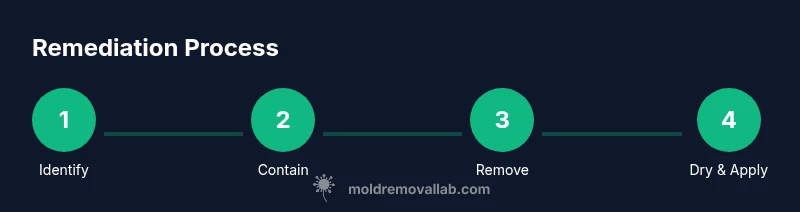
- 1
Identify mold contamination
Inspect mud for visible mold, odor, and dampness. Photograph areas for documentation and to guide disposal decisions. This helps confirm that the issue is limited to the mud and not the wall cavity.
Tip: Document findings with photos before removing anything. - 2
Contain the workspace
Seal off the area with plastic sheeting, turn off HVAC if possible, and minimize dust spread. Containing the work reduces mold exposure to other rooms and helps you work more safely.
Tip: Close doors and use a dedicated vacuum with a HEPA filter. - 3
Remove moldy mud
Carefully scrape away the moldy layer with a clean putty knife, starting at the edges toward the center. Avoid aggressive sanding that can aerosolize spores. Place spoils into sealed bags for disposal.
Tip: Wear PPE and avoid stirring up dust. - 4
Dispose of contaminated materials
Seal the mud, tools, and contaminated items in labeled bags. Do not reuse or rinse moldy mud; these materials go to appropriate waste streams per local guidelines.
Tip: Label bags clearly as contaminated. - 5
Dry the area completely
Ventilate the space with fans and run a dehumidifier. Drying may take 24–48 hours or longer depending on humidity and temperature. Do not mud until the surface and air are dry.
Tip: Check moisture with a meter before continuing. - 6
Apply fresh, mold-resistant mud
Apply a thin, even coat of mold-resistant joint compound. Allow it to dry fully according to product instructions, then sand lightly with a respirator if needed.
Tip: Use a tack cloth to remove dust before painting. - 7
Finish and re-test
Re-mesh and seal with primer suitable for moisture-prone areas. Reassess the area for any signs of dampness or new mold growth after a few days and adjust moisture controls as needed.
Tip: Monitor humidity after completing the repair.
FAQ
Can you salvage moldy drywall mud?
In most cases, discard is safer than salvage. Mold can hide in the mud and resurface after application. If contamination is uncertain, default to disposal and replace with fresh mud.
Usually discard moldy mud; salvage is not recommended. If you're unsure, discard and use fresh mud.
Is it safe to work with moldy mud indoors?
Work in a well-ventilated area and wear PPE. Try to keep spores from spreading to other rooms by containment and reducing air movement across the area.
Yes, but with careful ventilation and PPE to protect your health.
How should moldy mud be disposed of?
Seal contaminated mud in labeled bags and follow local waste guidelines. Do not pour it down the drain and avoid reusing any contaminated materials.
Seal and dispose of moldy mud according to local rules; do not pour down drains.
Do I need to replace drywall behind moldy mud?
If the wall behind the mud is damp or moldy, assess and replace affected drywall to prevent recurrence. Simply mudding over damaged backing won’t resolve underlying moisture issues.
If the backing is moldy, replace it and fix moisture problems.
When should I call a professional?
If mold covers a large area, if you have health symptoms, or if you’re unsure about moisture sources, seek a qualified mold remediation professional.
Consider a pro if mold covers a large area or health issues arise.
Can mold return after replacing mud?
Yes, if moisture sources aren’t controlled. Maintain humidity control, use mold-resistant products, and recheck for leaks after repairs.
Moisture control is key; mold can return if dampness persists.
Watch Video
The Essentials
- Discard moldy mud and fix the moisture source
- Dry area completely before re-mudding
- Use mold-resistant joint compound
- Ventilate and wear PPE to protect health