Black Bread Mold: Identification, Removal, and Prevention
Learn to identify black bread mold, safely dispose of affected bread, and prevent future growth. This Mold Removal Lab guide covers risks, cleanup steps, storage practices, and when to seek professional help.


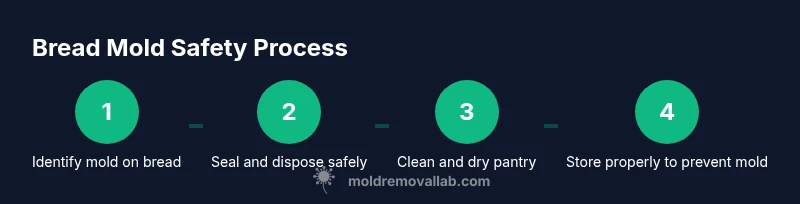
Black bread mold should be discarded immediately. Do not taste or eat moldy bread, as toxins and spores can contaminate your kitchen. Dispose of the loaf in a sealed bag, then clean and dry the storage area thoroughly. If you see mold growth on multiple loaves or on packages, discard all affected items, as mold spores can migrate through pantry air and shelving. Always ventilate and wash your hands after handling moldy foods.
What black bread mold is and why it matters
Bread mold, including the common black mold Rhizopus stolonifer, grows when moisture, warmth, and nutrients meet. In kitchens, bread can become a hotspot for mold if stored improperly or left out too long. According to Mold Removal Lab, black bread mold can spread spores even when only a small patch is visible, making rapid disposal and thorough cleanup essential. The Mold Removal Lab Team emphasizes that mold on bread is a safety concern because spores can contaminate nearby foods, surfaces, and the air you breathe. In most households, a loaf with visible mold should be discarded entirely; attempting to salvage slices risks exposing you and others to spores and mycotoxins. Keep bread in sealed containers and away from heat sources to slow growth, and regularly check pantry items for signs of spoilage. The takeaway is simple: treat moldy bread as hazardous and address it promptly to reduce cross-contamination.
From a prevention perspective, controlling moisture in the pantry and ensuring good air circulation help, but Mold Removal Lab analyses show that mold can thrive in seemingly dry spaces if humidity is high enough. Visual cues include fuzzy patches that range from white to greenish-black; a musty odor is another warning sign. While mold often starts on the surface, spores can become embedded in the bread's interior as it grows. The key takeaway is to treat any moldy bread as a potential hazard and address it promptly to avoid cross-contamination.
How to identify black bread mold safely
Mold on bread typically appears as fuzzy patches that start at the crust and can spread inward. Colors range from white to gray, green, or black, and they may emit a musty odor. Rhizopus stolonifer is the classic agent behind the black appearance, but many molds behave similarly on soft foods. When you see visible mold on any portion of bread, do not rely on part removal to make it safe; spores can migrate into unseen areas. For confident identification, compare your bread to trusted photos from health or food-safety sources and consider discarding the entire loaf. For added caution, wear a mask and gloves during inspection to limit exposure to airborne spores, especially if you are inspecting multiple slices. This careful approach minimizes risk to you and others in the home.
Health risks and when to seek medical advice
Exposure to mold can trigger allergic reactions, respiratory irritation, and in rare cases more serious symptoms, particularly for children, seniors, or people with compromised immune systems. Black bread mold can produce spores that irritate airways or worsen asthma; however, most healthy adults recover quickly after proper cleanup. If you experience persistent coughing, wheezing, or skin irritation after handling moldy bread or cleaning moldy areas, contact a healthcare professional. If you suspect a larger mold problem in your home, or if a family member has a severe reaction, seek medical guidance promptly. Mold Removal Lab Team notes that food molds are common, but safe handling and rapid cleanup are essential to minimize health risks.
Immediate disposal and cleanup protocol
First, put on disposable gloves and a mask before touching the bread. Place the moldy bread in a sealable bag, then seal it inside another bag to prevent spores from escaping. Tie the bags closed and place them in an outdoor trash bin promptly. Do not sample the mold, and avoid sniffing or crushing the patch. After disposal, wipe the area with soap and warm water, then rinse and dry thoroughly. If any mold reached nearby shelves, wipe those surfaces, and allow them to dry completely before reusing. Ventilate the area for thorough air exchange as you clean. Hand hygiene is essential—wash hands with soap even after removing gloves.
Cleaning surrounding areas and preventing spread
Remove nearby items from the pantry if they are within reach of the moldy loaf and clean the shelves with a mild detergent. Use a clean cloth dampened with water and soap; avoid soaking bread remnants into other foods. After cleaning, dry shelves completely and consider a light disinfectant safe for food-contact surfaces, following label directions. Store bread in airtight containers or sealed bags and place them in a cool, dry area away from heat sources. Regularly inspect shelves for new signs of mold and address moisture sources—leaks, condensation, or high humidity. If mold returns quickly, reassess storage strategies and consider temporarily moving bread to the freezer.
Storage best practices to prevent mold on bread
Keep bread in airtight packaging and avoid exposing it to air drafts or humidity. For longer-term storage, freeze or refrigerate slices to slow mold growth, then thaw as needed. Store bread away from fresh produce or liquids that can release moisture into the bag. Label shelves with clear dates and rotate stock so older bread is used first. Improve pantry ventilation, use dehumidifiers if moisture is a concern, and keep countertops clean to reduce mold-friendly environments. Following these practices reduces the chance of mold returning after disposal.
DIY testing and when to call professionals
Home testing for mold can be inconsistent and may miss hidden contamination; professional inspection provides more accurate results. If you notice recurring mold on bread or signs of mold in multiple rooms, consider consulting a certified mold remediation specialist. Do not rely on DIY swab tests to determine safety for consumption or to verify air quality. A professional can assess moisture sources, inspect hidden mold, and provide remediation guidance tailored to your home. Mold Removal Lab Team suggests prioritizing prevention and early intervention to keep living spaces safe.
Common myths about mold on bread debunked
Mold on bread does not always indicate disease; some molds are not dangerous. However, you should not rely on this idea: mold can produce toxins and spores that may affect health. Cutting away mold from hard cheeses or cured meats is sometimes acceptable, but bread is soft and porous—removal is unreliable and dangerous. Exposure to mold spores can cause allergic reactions or respiratory irritation, especially for vulnerable individuals. Removing mold by simply wiping with water might spread spores; discard the item instead. Mold Removal Lab emphasizes the importance of safe disposal and cleaning to prevent cross-contamination.
Real-world examples and case considerations
In a typical pantry scenario, a loaf left in a warm kitchen ripened with black mold patches; the family removed the slices and sealed the loaf, then discovered signs of mold on other items in the shelf. A quick response, including a wipe-down of shelves and tighter storage, helped restore safety. In more severe cases, mold growth on pantry walls or behind stored items required professional assessment. The Mold Removal Lab Team notes that staying proactive—checking dates, keeping containers sealed, and maintaining dry environments—prevents recurrence.
How to maintain a mold-safe kitchen environment year-round
Adopt a routine of quick monthly pantry checks, focusing on bread storage and humidity control. Keep a small cleaning kit at hand and an outside trash can accessible for quick disposal. Regularly empty crumb traps, wipe down shelves, and ensure proper ventilation in the storage area. Use airtight bread containers and freeze extra loaf portions during high-humidity seasons. Track moisture, fix leaks promptly, and maintain a cool, dry kitchen environment. Simple habits like these reduce the risk of bread mold and related hazards over time. The Mold Removal Lab team recommends integrating preventive steps into daily routines for lasting safety.
Quick reference: dos and don'ts
Dos:
- Discard moldy bread in sealed bags; do not consume.
- Dispose of all affected items if mold spreads.
- Clean shelves with soap and water; dry thoroughly.
- Store bread in airtight containers; consider freezing for long-term storage.
- Ventilate the area during cleanup.
Don'ts:
- Do not cut mold off bread and eat it.
- Do not sniff moldy bread or inhale spores.
- Do not reintroduce moldy items to pantry until cleaned.
- Do not ignore persistent mold growth or moisture problems.
- Do not rely on home tests to determine safety.
Quick reference: dos and don'ts (expanded)
Tools & Materials
- Disposable gloves (nitrile)(To avoid skin contact with mold and prevent cross-contamination. Choose latex-free if you have allergies.)
- N95 respirator(Helps minimize inhalation of airborne spores during inspection and cleanup.)
- Safety goggles(Eye protection to prevent splashes or spores from reaching eyes.)
- Heavy-duty trash bags(Sealable bags; double-bag suspected mold items to prevent leaks.)
- Plastic scraper or stiff card(Gently lift moldy bread without crushing to limit spore release.)
- Paper towels or clean cloths(For controlled wiping and drying; avoid reusing dirty towels.)
- Mild detergent or dish soap(For cleaning shelves and surfaces after disposal.)
- White vinegar or food-safe cleaner (optional)(Use as an optional surface rinse after cleaning; avoid harsh chemicals on food-contact areas.)
Steps
Estimated time: 45-60 minutes
- 1
Inspect bread and confirm mold
Carefully examine the loaf and nearby items for signs of mold. Do not assume mold is confined to a single patch; look for fuzzy growth or unusual odors. This step informs your disposal decision and reduces the risk of spreading spores during handling.
Tip: Use gloves early; however, avoid touching the mold patch directly with bare skin. - 2
Seal and dispose moldy bread
Place the moldy bread in a sealable bag, then seal the bag inside another bag to prevent leaks. Immediately place bags in an outdoor trash can to minimize indoor exposure. Do not attempt to salvage or taste moldy bread.
Tip: Double-bag for extra containment and avoid crushing the patch. - 3
Protect yourself during cleanup
Put on an N95 respirator and gloves before touching contaminated items. Avoid rubbing your eyes and wash hands after removing gloves. Ventilate the area to reduce airborne spores during cleanup.
Tip: Keep pets and children away from the cleanup zone. - 4
Clean the storage area
Wipe shelves with a mild detergent and warm water. Rinse and dry thoroughly. Consider a light disinfectant safe for food-contact surfaces if needed, following product directions.
Tip: Never spray cleaners directly onto food items; work from the back or sides of the pantry. - 5
Dry and restore storage
Ensure the pantry and shelves are completely dry before returning any food. Reorganize bread storage in airtight containers or bags away from moisture sources. Allow good air circulation to discourage new mold growth.
Tip: If humidity is high, use a dehumidifier or moisture absorber in the pantry. - 6
Review storage practices
Evaluate whether bread should be frozen for longer-term storage or kept in a cooler area to slow mold growth. Label items with dates to monitor freshness and rotation.
Tip: Avoid stacking bread near liquids or produce that release moisture. - 7
Document and monitor
Note the incident and check for mold signs in the following weeks. If mold recurs, reassess pantry design, ventilation, and moisture sources. Consider seeking professional guidance for persistent cases.
Tip: Keeping a simple mold-cleaning log helps prevent recurrence.
FAQ
Can you eat bread that has mold on it?
No. Mold on bread can produce toxins and spores that pose health risks. Discard the loaf and clean the area to prevent cross-contamination.
Do not eat moldy bread; discard it and clean the area to prevent spread.
Is black bread mold dangerous, and should I be worried?
Mold risk varies by health status, but it can cause allergic reactions or respiratory irritation. Take safe disposal steps and clean surfaces to minimize exposure.
Mold can cause irritation and allergies for some people; dispose of it safely and clean the area.
Can I cut off the moldy part of bread and eat the rest?
No. Mold can grow beyond what is visible, and toxins may be present inside the bread. Discard the entire loaf to stay safe.
Do not cut away mold; discard the whole loaf.
How should I clean my pantry after mold exposure?
Wipe shelves with soap and water, dry completely, and consider a food-safe disinfectant if needed. Inspect for moisture sources and fix them to prevent recurrence.
Clean shelves with soap and water, dry, and address moisture to prevent recurrence.
What storage changes help prevent bread mold?
Store bread in airtight containers, refrigerate or freeze for longer storage, and ensure a dry, well-ventilated pantry. Rotate stock regularly.
Use airtight storage and proper moisture control to prevent mold.
When should I call a professional for mold?
If mold recurs, covers a large area, or if moisture problems persist, seek a certified mold remediation specialist for assessment and guidance.
If mold keeps coming back, get a professional assessment.
Watch Video
The Essentials
- Discard moldy bread immediately to prevent spread
- Wear protective gear during cleanup and ventilate the area
- Clean and dry shelves thoroughly to deter recurrence
- Improve storage to slow mold growth
- Consult professionals for persistent mold problems