Bleach Water Ratio for Mold: A Practical DIY Guide
Learn safe dilution guidelines for disinfecting mold with bleach on non-porous surfaces, plus step-by-step application, safety tips, alternatives, and prevention strategies.


By the end of this guide, you will confidently disinfect mold on non-porous surfaces using a bleach water solution, choose a safe dilution, apply it correctly, and avoid common mistakes. You’ll learn when bleach is appropriate, how long to leave it on, and what to do afterward to reduce re-growth. Always prioritize ventilation and PPE as you work.
What this guide covers and why the ratio matters
Bleach is one of several disinfectants used to tackle mold on non-porous surfaces such as tile, glass, enamel, and sealed metal. The bleach water ratio for mold is a central decision that affects efficacy and safety. This guide from Mold Removal Lab explains how to assess your situation, choose a dilution, and apply it correctly to minimize exposure and surface damage. The guidance focuses on non-porous surfaces because bleach can penetrate porous materials and may not fully disinfect inside fibers. We discuss when it’s appropriate, what to do if you’re dealing with porous materials, and how to combine disinfection with physical cleaning. Throughout, you’ll find practical steps, safety reminders, and links to authoritative sources so you can verify the recommendations. Remember that mold remediation often requires moisture control to prevent regrowth, and using bleach is just one part of a broader moisture management strategy. By following the ratio guidelines, you reduce chemical waste and limit the risk to occupants while effectively reducing visible mold colonies. This approach aligns with guidance reviewed by the Mold Removal Lab team for 2026.
Surface science: Porous vs non-porous and how mold behaves
Mold behaves very differently on porous materials (like wood, drywall, or fabric) versus non-porous surfaces (such as glazed tile, glass, or metal). On non-porous surfaces, a properly applied bleach solution can kill surface mold and reduce immediate odor. On porous materials, mold may be trapped within fibers or voids, making chemical disinfection less reliable and potentially requiring removal or alternative treatment. The Mold Removal Lab analysis emphasizes testing small patches first and recognizing that residues can remain hidden in porous substrates. This distinction matters for choosing the right cleaning approach and avoiding unnecessary material damage or failed remediation attempts. If you’re dealing with porous surfaces, plan for replacement or professional remediation rather than relying solely on a bleach solution.
Dilution guidelines and safety considerations
If you decide to use bleach, a common starting point for non-porous surfaces is a diluted solution around 1 part household bleach to 10 parts water, using regular household 5–6% sodium hypochlorite. Always read the product label for exact concentrations and safety instructions. Ensure you work in a well-ventilated area and wear PPE: gloves, eye protection, and a mask if you’re sensitive to fumes. Never mix bleach with ammonia or acidic cleaners, as dangerous chloramine or chlorine gas byproducts can form. Short contact times (5–10 minutes) are often sufficient for disinfection on non-porous surfaces, followed by thorough rinsing and drying. This precautionary approach reflects Mold Removal Lab’s emphasis on safety, especially in homes with children or pets, and aligns with general public health guidance. Remember that dilution accuracy matters for effectiveness and safety, so use a measured container and mix only what you will use immediately.
How to apply bleach solution safely on non-porous surfaces
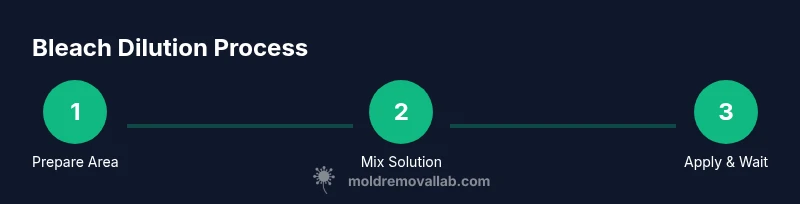
Start by preparing the area: remove clutter, cover nearby items, and ensure adequate ventilation. Don PPE and wipe down the surface with a damp rag to remove visible debris. Apply the bleach solution evenly, keeping the surface wet but not oversaturated. Let contact time occur without re-wetting excessively, then wipe away with a clean, disposable cloth and rinse with clean water if the surface allows. Dry thoroughly to prevent re-growth. Do not mix with ammonia or other cleaners, do not use on porous materials, and never use more than the recommended dilution on a single surface. This method emphasizes controlled, deliberate cleaning to minimize chemical exposure while achieving disinfection.
Alternatives and limitations: When bleach isn't ideal
Bleach has limitations, especially on porous materials where it may not reach embedded mold. For porous surfaces like wood, drywall, or fabric, consider peroxide-based cleaners or professional remediation for significant growth. For sensitive occupants or finished surfaces, test alternatives first on a hidden area. It’s also important to address moisture sources—leaks, humidity, and poor ventilation—because mold regrows if moisture isn’t controlled. The Mold Removal Lab guidance supports using bleach only where appropriate and considers alternative cleaners when recommended by health or building professionals. When in doubt, weigh the risks of chemical exposure against potential mold regrowth and consider a professional assessment for larger or hidden infestations.
Post-cleaning care: drying, disposal, and prevention
After disinfection, dry the area promptly. Use fans or dehumidifiers to achieve low humidity and reduce the chance of regrowth. Proper disposal of contaminated wipes, rags, and cleaning materials in sealed bags is essential. If you ran into persistent moisture, resolve the source before attempting re-cleaning. Keeping humidity below 50–60% (varies by climate) helps prevent mold return. Finally, document the remediation steps and monitor the area over the following weeks to ensure sustained dryness and no new odors or staining.
Authority sources
For additional context and verification, consult authoritative resources on mold remediation and disinfection. The U.S. Environmental Protection Agency (EPA) provides mold cleanup tips and guidelines for safe home remediation. The Centers for Disease Control and Prevention (CDC) offers information about dampness, mold exposure, and health considerations. OSHA also outlines general safety precautions for workplace mold exposure. These sources complement the practical steps in this guide and help homeowners make informed decisions about remediation strategies.
Common mistakes to avoid
Avoid over-reliance on bleach for porous materials or large infestations. Do not mix bleach with ammonia or other cleaners, do not apply bleach to damaged wood, drywall, or textiles that might harbor mold behind the surface, and do not skip drying—moisture control is essential for lasting results. Always test a small patch first and follow up with thorough cleaning and a moisture-management plan to prevent recurrence.
Tools & Materials
- Personal protective equipment (PPE)(N95 respirator or better, chemical-resistant gloves, eye protection)
- Household bleach (5-6% sodium hypochlorite)(Ensure brand is not expired; do not mix with ammonia)
- Water(For diluting bleach to 1:10 ratio)
- Spray bottle or bucket(For applying the solution)
- Non-porous scrubbing pad or sponge(For gentle scrubbing without abrasion)
- Disposable cloths or paper towels(For wiping and cleanup)
- Trash bags (heavy-duty)(Seal and dispose contaminated materials)
- Ventilation aid (fans)(Improves air flow; do not point directly at yourself)
- Moisture meter or humidity gauge(Optional, helps monitor drying after cleaning)
Steps
Estimated time: 45-60 minutes
- 1
Prepare the work area
Clear the space and protect surrounding items. Open windows or use a fan to establish ventilation. Move furniture away from damp zones and lay down plastic or old sheets to catch any drips.
Tip: Ventilation reduces exposure to fumes and helps dry the area faster. - 2
Don PPE and test a patch
Put on gloves, eye protection, and a mask. Test a small, inconspicuous patch of the surface with the bleach solution to ensure it does not discolor or damage the finish.
Tip: If discoloration occurs, stop and switch to a non-bleach method suitable for that material. - 3
Mix the bleach solution
In a clean container, mix 1 part household bleach with 9 parts water to achieve a 1:10 dilution. Use a fresh batch for each cleaning session to maintain effectiveness.
Tip: Label the mix and mix only what you will use immediately. - 4
Apply to the surface
Spray or apply the solution evenly across the affected non-porous surface. Keep the surface visibly wet but avoid pooling. Do not rub aggressively; a gentle scrub is enough to remove surface mold.
Tip: Do not oversaturate; excess liquid may seep into seams and cause damage. - 5
Let contact time occur
Allow the solution to remain on the surface for 5–10 minutes to maximize disinfection while monitoring for any fumes or discoloration.
Tip: Avoid re-wetting during this window to maintain effective contact time. - 6
Rinse and dry
Wipe away the solution with a clean cloth, then rinse with water if the surface permits. Dry thoroughly with towels or a fan to prevent moisture buildup.
Tip: Completely dry before reintroducing items or furniture to the space. - 7
Dispose of waste
Bag used cloths and contaminated materials securely and discard in an outdoor trash can. Sanitize reusable tools and wash hands thoroughly afterward.
Tip: Double-bag especially dirty items to minimize cross-contamination. - 8
Dry out and monitor
Continue to monitor humidity and moisture after cleaning. Use dehumidifiers or increased ventilation to maintain dry conditions and prevent mold return.
Tip: Keep a moisture log for several weeks after cleaning.
FAQ
Is bleach effective on mold on porous surfaces?
Bleach is generally less effective on porous materials because mold can grow back inside fibers. For porous surfaces, consider alternative cleaners or professional remediation, and prioritize moisture control.
Bleach works best on smooth, non-porous surfaces. For porous materials, you may need other cleaners or professional help, especially if the mold is deep.
When should I call a professional?
If mold covers a large area, recurs after cleaning, or is hidden behind walls, consult a licensed mold remediation professional. They can assess moisture sources and perform safe, thorough remediation.
If it’s a large area or keeps coming back, it’s time to bring in a pro.
Can I use bleach in a damp bathroom?
Bleach can be used in bathrooms if ventilation is good and surfaces are non-porous. Avoid prolonged exposure and ensure surfaces won’t be damaged by moisture. For porous materials, seek safer options.
Bleach is okay in well-ventilated, non-porous bathrooms; be cautious with porous surfaces.
Is it safe to mix bleach with ammonia or other cleaners?
No. Mixing bleach with ammonia or many cleaners releases dangerous gases that can irritate lungs and eyes. Always use bleach alone with water and rinse well.
Never mix bleach with ammonia or cleaners—dangerous gases can form.
What surfaces are safe to treat with bleach?
Bleach is best for non-porous surfaces like tile, glass, metal, and sealed surfaces. Avoid using it on wood, drywall, fabric, or porous composites where mold may penetrate deeper.
Bleach is typically safe on non-porous surfaces, not on porous ones.
How long should the surface stay wet after applying bleach?
Aim for a 5–10 minute contact time on non-porous surfaces, then wipe and rinse if possible and dry completely.
Keep the surface wet for about 5 to 10 minutes, then rinse and dry.
Watch Video
The Essentials
- Use a 1:10 bleach-to-water ratio as a starting point on non-porous surfaces.
- Prioritize PPE and ventilation to reduce exposure to fumes.
- Dry the area thoroughly to prevent mold regrowth.
- Discard contaminated materials safely and test material compatibility first.
- Consider alternatives for porous materials or larger infestations.