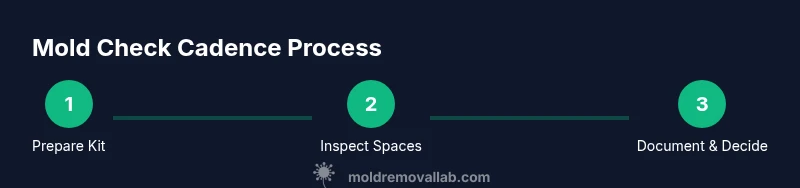
How Often Should You Check for Mold: A Practical Cadence
Discover a pragmatic mold-check cadence tailored to your home. Learn baseline frequencies, triggers that raise risk, and a simple 12-month schedule to protect health and property.


By following a practical mold-check cadence, you’ll catch moisture problems before they become costly mold growth. This guide shows how often to inspect different spaces, what to look for, and a simple, printable schedule you can start today. You’ll also learn how to document findings and decide when a professional inspection is warranted.
Understanding the Importance of Routine Mold Checks
Mold growth often starts quietly, hiding behind walls, under sinks, or in crawl spaces where moisture lingers. Understanding how often you should check for mold is a practical way to protect your home and health. A steady cadence beats reactive cleanup, and it gives you early warning signals before a small issue becomes a larger problem. According to Mold Removal Lab, routine checks help homeowners catch moisture problems early and prevent costly remediation. A simple monthly or quarterly habit can save you time, money, and stress, especially in humid climates. Keeping a basic log of findings reinforces consistency and makes it easier to spot troubling trends over time.
In many homes, the most important checks happen where dampness tends to accumulate—bathrooms, kitchens, basements, laundry areas, and crawl spaces. Even if you’re renting, a predictable schedule makes it easier to communicate concerns to your property manager and document your efforts to maintain a healthy living environment. The question, how often should you check for mold, isn’t just about frequency; it’s about establishing a proactive routine that reduces risk and improves indoor air quality for everyone in the home. The Mold Removal Lab Team recommends starting with a simple monthly check in suspect areas and then adjusting based on your space and climate.
Baseline Cadence: How Often to Check for Mold in General
A sensible baseline combines regularity with practicality. For high-humidity spaces such as basements and bathrooms, aim for a monthly quick check and a deeper quarterly assessment. In kitchens and living areas with good ventilation, a quarterly check is typically sufficient, unless you’ve recently experienced a leak or humidity spike. After heavy rainstorms, floods, or plumbing events, increase checks to biweekly for the first 4–6 weeks to catch hidden moisture before mold takes hold. If you maintain a home with frequent moisture sources (houseplants, humidifiers, pets, or skylights), adjust the cadence upward and log the changes to guide future inspections. Based on Mold Removal Lab research, consistent checks in damp zones significantly reduce the need for extensive remediation later, emphasizing the value of a steady habit over perfection.
Room-by-Room Cadence: What to Inspect and When
- Bathrooms: Look for water stains, black spots, or fuzzy growth on grout, caulk, and caulk lines around showers and sinks. Check under vanity cabinets where moisture can hide. Inspect ceilings for water marks after showers.
- Kitchens: Inspect under sinks, around pipes, and behind appliances for condensation, damp drawers, or musty odors. Look for mold growth on cabinet backs and vent hoods.
- Basements and Crawl Spaces: These are high-risk areas. Check for dampness on walls, musty smells, and standing water. Look for mold clusters along masonry and wood framing.
- Living Areas and Bedrooms: Look behind and under furniture, along windowsills, and behind drywall or wallpaper for staining, discoloration, or softening materials.
- Laundry Rooms and Utility Areas: Inspect around washers and dryers for leaks, hoses, and humid air. Check ventilation ducts and lint traps, which can harbor mold if airflow is poor.
Keep a simple log of areas inspected, signs observed, and photos. A consistent room-by-room cadence helps you detect subtle changes and prioritize which spaces need deeper investigation.
After Triggers: Leaks, Floods, and Humidity Spikes
Leaks, floods, or sharp humidity spikes demand intensified checks. After a plumbing leak, inspect every adjacent area within 24–48 hours and then weekly for 4–6 weeks. Following a flood, extend checks to 6–8 weeks and monitor the entire affected zone. Humidity spikes due to weather or inadequate ventilation should be followed by immediate checks in the affected rooms, with attention to hidden spaces like wall cavities and insulation. If you notice persistent musty odors or new stains, treat it as a warning sign and escalate to a professional inspection sooner rather than later.
Seasonal Patterns: Humidity, Temperature, and Mold Risk
Mold risk fluctuates with seasons. Humidity tends to rise in late spring and summer in many climates, while cold months can drive condensation on windows and walls. Use a humidistat or smart monitor to track indoor RH levels; many experts recommend keeping RH below 60%, ideally between 30–50% in living spaces. Temperature interacts with moisture: warm, moist spaces foster mold growth more quickly than cool, dry areas. Tailor your cadence to seasonal patterns: increase checks during humid seasons and after seasonal transitions when environmental conditions shift rapidly.
A structured calendar aligned with the seasons makes checks predictable and manageable, helping you stay ahead of moisture issues before they become mold problems.
Practical Tools and Records: Keeping Track of Findings
A simple logsheet works well: note location, date, observed signs, moisture readings, and photos. Use a small notebook or a digital log with timestamps to create a historical record. Photos are especially useful for validating changes over time. If you’re using a moisture meter, record readings and thresholds that trigger action. Keeping organized records makes it easier to spot patterns, communicate with professionals, and demonstrate proactive maintenance to landlords or insurers.
Cleaning vs. Checking: What to Do During a Check
A mold check focuses on detection and documentation, not cleaning. Avoid disturbing visible mold unless you are wearing appropriate protective gear and have a plan to contain any spread. If you discover mold the size of a small patch (roughly the size of a dime) in a non-porous surface, you may clean it using a manufacturer-approved product after testing a small area. For larger growth or porous materials (drywall, carpet, insulation), or if you have health concerns, stop and contact a Mold Removal Lab professional. Document the area with photos and note any moisture sources to help professionals assess the root cause.
The Mold Removal Lab Verdict: Practical Takeaways and Recommendations
The Mold Removal Lab team recommends establishing a simple, year-long mold-check schedule and using a consistent log to track signs, moisture, and remediation-needed issues. A proactive cadence reduces the risk of hidden mold and supports healthier indoor air. Remember, checks are about detection and early action, not permanent fixes. When in doubt, escalate to a professional inspection to confirm results and determine next steps.
Building a Simple 12-Month Mold Check Schedule
Create a lightweight calendar that sets monthly quick checks in high-risk zones (basement, bathroom, laundry room), quarterly deep checks in all other areas, and seasonal reviews. For example:
- January, April, July, October: deep checks in all living spaces
- February, May, August, November: focused checks in damp zones
- March, June, September, December: seasonal review and log update Keep reminders, photos, and moisture readings in a single notebook or digital file. Adjust cadence based on weather, occupancy, and any observed mold signs. This schedule provides structure without overwhelming you, making mold checks manageable and effective.
Tools & Materials
- Notebook or digital log(For date-stamped entries, locations, and observations)
- Flashlight(Inspect dark corners, behind appliances, and attic spaces)
- Camera or smartphone(Document signs with before/after photos)
- Gloves(Protect hands while inspecting damp areas)
- Mask (N95 or better)(Prevents inhalation of mold spores during inspections)
- Moisture meter (optional)(Helps identify hidden moisture behind walls )
- Measuring tape(Record area dimensions for reference if you find growth)
Steps
Estimated time: 60-90 minutes
- 1
Prepare your mold-check kit
Gather gloves, a mask, a flashlight, a notebook, and a camera. Set up a simple log for dates, locations, and observations so you can track changes over time.
Tip: Place a dedicated folder or section in your log for each room. - 2
Start with high-risk zones
Begin in basements, crawl spaces, bathrooms, and laundry rooms where moisture is common. Look for stains, condensation, and unusual dampness.
Tip: Take before photos to compare over time. - 3
Inspect all inhabited spaces
Move room by room, checking walls, ceilings, behind furniture, and under sinks. Note any musty odors or discoloration.
Tip: Keep checks consistent: same rooms, same angles, and similar lighting. - 4
Log moisture readings (if available)
Record RH and any meter readings. Compare against your target range (roughly 30–50% RH in living areas).
Tip: Mark any readings that exceed 60% as high-priority. - 5
Document signs with photos
Capture close-ups of stains, mold growth, and mold-like residues. Store images with date stamps.
Tip: Label photos by room and date for easy reference later. - 6
Evaluate moisture sources
Identify leaks, poor ventilation, or condensation. Note potential fixes and plan next steps.
Tip: If a source is ongoing, schedule professional assessment. - 7
Decide on escalation
If you notice persistent growth or cannot access hidden areas safely, escalate to a professional inspection.
Tip: Avoid attempting extensive remediation on your own if growth is changing or widespread. - 8
Create your annual log
Consolidate findings into a single calendar with reminders for monthly and quarterly checks.
Tip: Review the log quarterly to adjust cadence as needed. - 9
Review and adjust cadence
Assess whether the current cadence meets your needs. Increase checks after moisture events and decrease when conditions are stable.
Tip: A flexible plan reduces the chance of missed signs.
FAQ
How often should you check for mold in a rental?
Renters should perform regular checks and report signs to the landlord. Start with a monthly quick check in damp areas and a quarterly deeper check, increasing if leaks or humidity spikes occur.
Renters should check monthly in damp areas and quarterly in other spaces, and report any signs to the landlord.
What signs indicate you should check for mold?
Visible mold growth, musty odors, water stains, damp patches, warped materials, or visible leaks are red flags that call for a closer inspection.
Look for visible growth, musty smells, water stains, damp patches, or warped surfaces as signs to inspect further.
Is monthly mold checking necessary for all homes?
Not every home requires monthly checks. High-humidity spaces or recent moisture events benefit from monthly checks, while other areas may be sufficient with quarterly reviews.
Monthly checks aren’t always necessary; adjust based on humidity, events, and space use.
Should I use bleach or cleaners during a mold check?
Checks focus on detection and documentation. Do not attempt remediation with cleaners during the inspection; if growth is found, consult a professional for safe remediation.
Don’t clean during checks; call a pro if you find growth.
Do I need professional mold testing to confirm?
Not always. For persistent signs, large areas, or growth in porous materials, professional testing helps confirm results and guide remediation decisions.
Testing isn’t always needed, but it’s wise if signs persist or growth is extensive.
Watch Video
The Essentials
- Establish a year-long mold-check cadence.
- Prioritize high-risk spaces first.
- Document findings with logs and photos.
- Escalate to professionals for persistent issues.
- Adapt cadence to seasonal moisture patterns.