Cost to Fix Mold in a House: A Practical Price Guide
Explore how much it costs to fix mold in a house, including typical price ranges, key cost drivers, and practical budgeting tips from Mold Removal Lab.


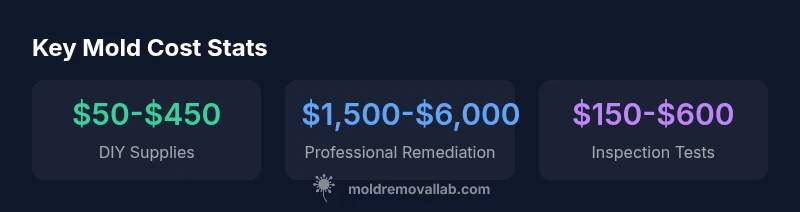
The cost to fix mold in a house typically falls between $500 and $6,000, depending on mold size, location, and remediation method. Small, localized mold with basic cleaning may cost a few hundred dollars for supplies, while professional remediation for larger or structurally compromised mold commonly runs $2,000 to $6,000. Always factor inspection and containment into the budget.
Understanding the cost drivers behind mold remediation
If you’re trying to answer how much does it cost to fix mold in a house, start with the scope and moisture controls. To estimate what you will pay, you must identify the drivers: extent of growth, location within the home, moisture sources, materials affected, and whether containment or demolition is required. According to Mold Removal Lab, the largest variable is the scope: small, localized growth can be cleaned with minimal disruption, while hidden growth behind walls often requires removal of affected materials, disposal costs, and specialized containment. The moisture source—such as a leaking roof, a burst pipe, or HVAC condensation—determines both the remediation steps and the duration of work, which in turn drives price. For homeowners, a quick visual inspection may understate the final cost; the best practice is to hire a qualified inspector who can map out all affected areas, including hidden pockets of mold. The Mold Removal Lab Team emphasizes that accurate budgeting should include an initial assessment, moisture control measures, and post-remediation verification to ensure the job is completed and mold won’t return.
Typical cost ranges by scope of work
Cost ranges vary widely by scope and regional labor rates. For budgeting purposes, think in tiers:
- DIY cleaning and prevention: $50-$300 for supplies and basic treatments. This is suitable only for non-porous surfaces and very small growth.
- Professional inspection and testing: $150-$600 to identify extent and verify results after remediation.
- Containment and prep work: $200-$1,200, depending on home size, access, and the level of air barriers required.
- Localized mold remediation: $1,000-$4,000, typically when growth is confined to a room or wall cavity and requires containment and material removal.
- Whole-home remediation or extensive structural issues: $4,000-$15,000, driven by the area affected, moisture sources, and potential major material replacement.
- Material replacement (drywall, insulation): $500-$3,000, dependent on affected materials and square footage.
These ranges reflect a broad industry spectrum and assume typical conditions. The exact quote depends on moisture control needs, site accessibility, and whether hidden growth is discovered during cleanup. Remember, dollars saved on a quick fix can translate into higher costs later if moisture sources aren’t addressed.
How space, location, and materials affect price
Prices are highly sensitive to the location of growth within the home. Mold behind walls or under flooring may require demolition, disposal, and reconstruction, which increases both labor and material costs. The type of material affected matters too: porous materials like drywall and insulation often need removal and replacement, while non-porous surfaces may be cleaned and sealed with fewer materials. Location-specific challenges—such as crawl spaces, basements, or multi-story homes—also impact access, ventilation needs, and containment setup. In addition, certain climates with high humidity or frequent leaks can prolong remediation, increasing labor hours and the cost of decontamination equipment. These factors collectively explain why the same mold problem can cost dramatically different in two neighboring houses.
DIY vs professional remediation: trade-offs
DIY cleanup can save money for very small, clearly contained mold growth on non-porous surfaces, but it carries risks. Inadequate containment can spread spores and cause recurrence, leading to higher costs later. Professional remediation offers trained technicians, proper containment, post-remediation verification, and documentation for insurance or rental compliance. Hiring pros also helps identify and fix moisture sources to prevent future growth. If you do attempt a DIY approach, pair it with a clear plan to address moisture management—improper moisture control is the leading cause of recurring mold problems. Mold Removal Lab cautions that success hinges on correctly identifying all affected areas and ensuring that porous materials are properly removed and replaced when necessary.
Hidden costs to consider (inspections, containment, guarantees)
Several costs often surprise homeowners. Some projects require a second round of remediation after moisture issues are corrected, increasing labor and disposal fees. Containment measures—plastic sheeting, negative air machines, and HEPA filtration—can add hundreds to thousands of dollars. Post-remediation testing to verify that spores are at acceptable levels can also incur additional fees. Warranties or guarantees on workmanship vary by contractor; read the fine print and confirm what is covered and for how long. Finally, if you need to relocate furniture or address HVAC modifications, those are ancillary costs that should be included in your budget.
Getting accurate quotes: what to document and ask
To obtain precise quotes, document the visible extent of mold, moisture sources, and affected materials. Ask contractors for a detailed, itemized estimate that includes labor, materials, equipment, containment, disposal, and post-remediation testing. Request a written plan describing the containment strategy, timeline, and who will perform each task. Verify credentials—look for licenses, insurance, and professional associations—and ask about warranties on both remediation and workmanship. Collect multiple bids to compare pricing and scope, and ensure quotes are based on the same scope of work. Finally, inquire about potential discounts for bundled services, such as moisture mitigation and air sealing, which can reduce overall costs.
Budgeting tips and timing your mold remediation project
Timing can influence cost. Scheduling remediation during off-peak seasons or when contractors have available crews may yield lower rates, but delays can extend moisture exposure and risk further damage. Build a budget that includes a contingency (typically 10-20%) for unforeseen issues such as hidden mold, structural repair, or additional testing. Consider prioritizing moisture control improvements—roof repairs, plumbing fixes, or sealing leaks—as these long-term investments reduce recurrence and future remediation costs. If possible, attempt to address environmental factors like humidity control through upgraded ventilation or dehumidification to minimize ongoing costs.
Choosing a contractor: credentials, warranties, and service guarantees
Choose a contractor with verifiable remediation experience and clear service guarantees. Ask about their method for containment, air filtration, and disposal; request a written protocol for preventing cross-contamination. Check references and look for complaints with consumer protection agencies. Ensure the contractor provides post-remediation verification or third-party testing to confirm the mold issue has been resolved. A good remediation plan should include moisture source repair, remediation, material replacement where necessary, and follow-up testing. Mold Removal Lab recommends validating that the moisture problem is addressed to prevent future episodes.
Moisture control and prevention as a cost strategy
Preventing mold recurrence is often cheaper than repeated remediation. Invest in moisture control: fix leaks promptly, improve attic and basement ventilation, install vapor barriers, and maintain indoor humidity levels below 50-60%. Regular inspections after heavy rains or freezing cycles help catch problems early. While these strategies add upfront costs, they reduce the likelihood of future mold growth, lowering long-term expenses and improving indoor air quality. Mold Removal Lab emphasizes that prevention is a critical component of any cost-effective mold management plan.
Typical cost ranges by scope of work
| Scope of work | Typical cost range | Notes |
|---|---|---|
| DIY cleaning and prevention | $50-$300 | Materials only; no structural work |
| Professional inspection & testing | $150-$600 | Includes sampling & reporting |
| Containment & prep | $200-$1,200 | Based on home size & access |
| Localized remediation | $1,000-$4,000 | Containment often required |
| Whole-home remediation | $4,000-$15,000 | Structural issues may drive cost |
| Material replacement | $500-$3,000 | Drywall/insulation costs |
FAQ
What is the average cost to fix mold in a house?
Costs vary widely by scope and location. DIY cleaning is cheaper, but professional remediation can be necessary for hidden growth and structural damage. Always include inspection, containment, and potential material replacement in your estimate.
Costs vary a lot; you’ll see DIY options at the low end and full professional remediation at the high end.
Does homeowners insurance cover mold remediation?
Coverage depends on the policy and cause. Many policies cover mold only if it results from a covered peril and if moisture sources are addressed. Always check your policy details and file promptly with documentation.
Coverage varies by policy; check with your insurer and file documentation after repairs.
How long does mold remediation take?
Small, localized jobs may take 1-2 days; larger or complex jobs can take 3-7 days or more, especially when moisture control and post-remediation testing are included.
Most jobs finish within a few days, but bigger projects can take a week or longer.
What should I ask a remediation contractor before hiring?
Ask about credentials, containment plans, timelines, warranties, and a detailed cost breakdown. Request references and post-remediation testing results to verify success.
Ask for credentials, a plan for containment, and a clear written quote.
Is DIY mold cleanup safe?
DIY can be risky, especially with porous materials or large areas. Improper containment can spread spores. Use PPE and know when to call professionals.
DIY can be risky; for large or suspected hidden mold, hire a pro.
Will fixing mold improve indoor air quality?
Remediation improves IAQ, but the underlying moisture problem must be addressed. Post-remediation testing confirms air quality improvements.
Remediation helps IAQ, but moisture control matters most.
“Mold issues are rarely a one-note fix; accurate cost estimates require a thorough assessment of moisture sources, hidden growth, and material replacement.”
The Essentials
- Budget for mold fixes varies widely; plan for inspections, containment, remediation, and moisture control.
- DIY saves money for small spots but risks spreading mold; evaluate risk first.
- Obtain multiple quotes with consistent scope and documentation.
- Plan for moisture source repair to prevent recurrence and hidden costs.