How Much Does Mold Removal Cost in 2026? A Practical Budget Guide
Learn realistic mold removal costs, what drives price, and how to budget effectively in 2026. Includes regional ranges, common add-ons, and tips to get an accurate quote.


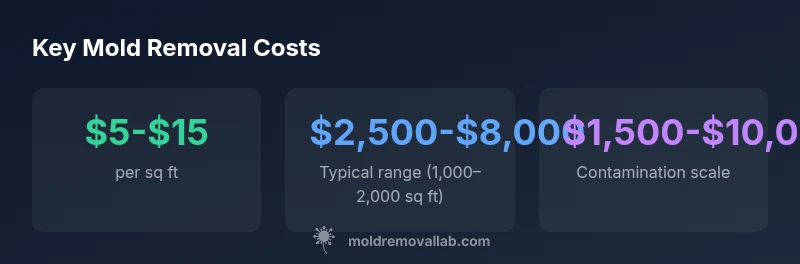
How much does mold removal cost? Most residential jobs fall between $2,000 and $8,000, with per-square-foot rates typically $5-$15. Costs rise with moisture issues, accessibility, HVAC contamination, and the need for containment or structural work. A professional inspection and a written remediation plan are essential to avoid under- or over-budget fixes.
What Affects Mold Removal Costs
The question of how much does mold removal cost is not a single number; it varies with several factors. For a homeowner, the first step is to understand what drives the price. The extent of contamination is the primary determinant: a small, isolated patch can cost a few hundred dollars to seal and clean, while widespread growth requiring demolition can push costs well into the thousands. Moisture control matters too: if the source of moisture remains unaddressed, remediation may fail or require rework, increasing both cost and duration. Accessibility is another factor: crawlspaces, tight interiors, or working around a finished basement adds time and equipment needs. The choice of containment and safety measures—negative air machines, HEPA filtration, and disposable barriers—also influences price. Additionally, if the mold has affected porous materials like drywall, insulation, or carpet, replacement costs enter the calculation. Finally, testing and verification costs: post-remediation clearance tests or third-party inspections add to the budget but reduce the risk of recurring mold. In short, the scope, moisture control, and access determine how much the project will cost.
Typical Cost Ranges by Job Size
Costs are typically quoted by square footage or by the scope of work rather than a flat fee. For a few small patches, remediation can range from $500-$2,000 if moisture control is straightforward and containment is minimal. Moderate contamination spanning a few rooms often costs $2,000-$6,000, especially if drywall cutting, insulation replacement, and HVAC line cleaning are involved. Large-scale remediation that encompasses multiple rooms, structural framing, and complex moisture management can range from $5,000 to $15,000 or more. In some cases with extensive material replacement or testing, costs can exceed $20,000. The bands above assume professional mitigation and clearance testing; DIY approaches or skipped testing can lower initial outlay but raise long-term risk and total cost.
Regional Variations and Access Issues
Price differences by region reflect labor markets, material costs, and climate-driven needs. In urban areas with older buildings and higher demand, rates tend to run higher, while rural areas may be more affordable. Access plays a practical role: crawl spaces, tight basements, or finished interiors require extra labor time, specialized equipment, and careful containment. Climate and humidity levels also influence how aggressively moisture control must be implemented, which in turn affects price. Homeowners should expect regional bands like urban-high-cost and rural-low-cost, with significant variation based on local factors, accessibility, and the extent of remediation required.
Hidden Costs and Contingencies
Some line items frequently surprise homeowners. Containment setup (air scrubbers, negative air pressure), drywall or insulation replacement, and disposal of mold-contaminated materials add to the price. If mold affects HVAC systems, duct cleaning and coil replacement may be needed. Post-remediation testing and third-party clearance checks are common add-ons that ensure the space passes health and safety standards, but they add to the total. Scheduling or permitting delays can extend the project timeline and incur additional labor costs. Budgeting for contingencies—such as extra moisture mitigation, additional inspections, or expedited service—helps avoid budget overruns when surprises arise.
How to Get an Accurate Quote
To obtain a realistic quote, homeowners should schedule a thorough on-site inspection by a licensed pro. Request a written scope of work that itemizes materials, labor, containment, testing, and disposal. Ask for a pre-remediation moisture assessment and a post-remediation clearance plan. Compare at least three quotes, ensuring each includes a detailed scope and a clear timeline. Provide contractors with photos and, if possible, moisture readings from a meter or infrared camera. Finally, confirm warranty terms and follow-up testing to verify the mold has been removed and won’t recur.
Insurance Coverage and Financing Options
Many homeowners’ policies do not automatically cover mold remediation; coverage often depends on the cause and policy specifics. Some plans offer endorsements or add-ons that cover mold removal when it results from a covered peril, while others require riders. Before filing a claim, review your policy language or talk with your agent about required documentation and timelines. If insurance does not cover remediation, explore financing options offered by contractors, lenders, or energy-efficiency/repair programs. Budgeting for the cost of remediation and potential follow-up work helps households plan responsibly.
DIY vs Pro: When to Hire
Mold remediation involves health risks and specialized equipment. DIY cleaning may be adequate for small, non-porous spots, but it rarely addresses hidden mold behind walls or in HVAC systems. A professional remediation typically ensures proper containment, air filtration, and disposal, reducing the risk of cross-contamination and re-growth. For any significant contamination, moisture source, or structural involvement, hiring a licensed pro is the safer and more effective choice. Always prioritize health and long-term safety over short-term savings.
Maintenance and Prevention to Lower Future Costs
Preventing mold recurrence saves money and protects indoor air quality. Control moisture by fixing leaks promptly, improving ventilation, and using dehumidifiers in damp spaces. Regularly inspect bathrooms, basements, kitchens, and laundry areas for signs of dampness. Keep humidity levels below 50% where possible, clean and dry damp surfaces promptly, and use mold-resistant products in vulnerable areas. Scheduling annual inspections or moisture assessments can catch problems early, reducing the likelihood of expensive, large-scale remediation later.
Illustrative cost ranges by home size and scope
| Home size (sq ft) | Typical cost | Notes |
|---|---|---|
| 500-1,000 | 1,500-$3,500 | Small area, straightforward containment |
| 1,000-2,000 | 2,500-$8,000 | Most common range; drywall and insulation may be involved |
| 2,000-3,000 | 5,000-$12,000 | Larger areas; more materials and complexity |
| Over 3,000 | 10,000-$20,000+ | Extensive remediation and structural work |
FAQ
What is the typical cost for mold removal?
Typical costs range from about $2,000 to $8,000 for a standard home, with per-square-foot rates often between $5 and $15. The final price depends on the extent of contamination, moisture sources, and accessibility. A detailed quote after a thorough inspection is essential.
Most homes spend between two and eight thousand dollars, depending on how widespread the mold is and how accessible the space is.
Does homeowners insurance cover mold removal?
Coverage depends on your policy and the cause of mold. Many policies exclude mold from maintenance-related issues but may cover it if caused by a covered peril. Always consult your policy and agent to confirm what applies before filing a claim.
Insurance often depends on the cause; talk to your insurer to confirm coverage before remediation.
How long does remediation take?
Timeline varies with the scope. Small patches can take 1-3 days, while larger, multi-room jobs may stretch to a week or more, especially with containment and testing. Scheduling and weather can also impact duration.
Most projects finish within days to a week, depending on size and complexity.
Should I get multiple quotes?
Yes. Obtaining 3-4 written quotes helps compare scope, materials, and timelines. Ensure each quote includes a clear scope, contingency allowances, and post-remediation testing.
Yes—get several quotes to compare scope and costs.
Is post-remediation testing always needed?
Post-remediation testing confirms the environment is clean. It’s recommended for larger jobs or when mold was detected in HVAC or inaccessible areas. Tests should be performed by an accredited lab.
Testing confirms success and helps prevent recurrence.
Can I do mold removal myself?
DIY can address small, surface mold on non-porous surfaces, but true remediation, especially within walls or ducts, requires professionals to ensure safety and prevent spread. In most cases, hire a licensed remediator for significant growth.
For significant mold, hire a professional rather than DIY.
“Cost is driven by the job’s scope and moisture control; prioritize comprehensive remediation to prevent mold regrowth.”
The Essentials
- Know the price range: $5-$15 per sq ft baseline
- Scope, moisture, and access drive most costs
- Obtain a written, itemized quote for accuracy
- Insurance coverage varies; check policy details
- Invest in prevention to reduce long-term costs