Mold Nail Fungus: Safe Home Guidance for Mold and Nail Health
A practical how-to on addressing mold exposure in the home while understanding nail fungus, with steps to reduce moisture, inspect areas, and know when to seek medical care.


This guide helps homeowners and renters identify mold exposure risks and manage nail fungus symptoms safely at home. You’ll learn how to differentiate mold from other fungi, how to inspect common problem areas, when to seek professional remediation, and practical steps to reduce moisture, improve ventilation, and prevent reoccurrence in kitchens, bathrooms, basements.
Understanding the Link Between Mold and Nail Fungus
Nail fungus, medically called onychomycosis, is caused by dermatophyte fungi that invade the nail plate. Mold, by contrast, comprises many species that grow in damp conditions on walls, insulation, and organic materials. They are different organisms with distinct health implications. However, living in a mold-prone environment can contribute to nail problems indirectly: dampness fosters fungus growth on skin and nails, irritates the skin around nails, and weakens the immune system in susceptible individuals.
According to Mold Removal Lab, persistent moisture and poor indoor air quality can exacerbate skin irritation, which may worsen perceived nail discoloration or discomfort. We emphasize that mold remediation focuses on reducing moisture, improving ventilation, and addressing leaks; this creates a healthier environment that reduces secondary fungal infections. It’s essential to differentiate a surface mold issue (visible around sinks, windows, basements) from a nail infection that requires medical evaluation. If you notice nail changes such as thickening, white or yellow-brown discoloration, or crumbling edges, seek a clinician's diagnosis, since some nail infections require prescription antifungals. In the home, you should also monitor for signs of dampness: condensation on windows, musty odors, or staining on walls. Tackling both mold and nail fungus involves moisture control, cleaning protocols, and careful personal hygiene to prevent cross-contamination.
We’ll outline practical steps that blend indoor mold reduction with safe practices for nail health, underscoring the idea that a safer home supports healthier nails and skin.
Practical Steps to Reduce Moisture and Mold Growth in Living Areas
Reducing moisture and stopping mold growth starts with a systematic approach. Begin by identifying persistent moisture sources, then apply proven moisture-control strategies and routine cleaning practices. In homes with chronic dampness, mold can proliferate rapidly on wood, wallpaper, and fabric, increasing the risk of skin irritation and conditions that worsen nail health. The Mold Removal Lab analysis shows that moisture control and ventilation are the cornerstones of safer indoor environments and healthier nails.
Key actions you can take:
- Fix leaks promptly: Inspect roof lines, plumbing joints, and window seals weekly for drips and damp patches. A small leak left unfixed can create a large mold problem.
- Lower indoor humidity: Aim for 30–50% relative humidity in living spaces. Use dehumidifiers in basements and bathrooms after showers or baths.
- Ventilate hot zones: Run exhaust fans in bathrooms, laundry rooms, and kitchens during and after use. Open windows when weather allows to improve air exchange.
- Clean and dry promptly: Wipe up condensation, dry shower stalls after use, and launder damp towels promptly to reduce mold-friendly surfaces.
- Use posted moisture controls on storage areas: Seal damp storage in containers, keep items off floors, and rotate stored textiles to prevent moisture buildup.
- Consider a professional assessment: If you notice large patches of mold or persistent dampness, a trained inspector can identify hidden sources and advise remediation plans.
In addition to these steps, invest in a reliable hygrometer to track humidity and a portable dehumidifier for problem rooms. The overall aim is to create a drier environment that discourages mold while supporting nail health by reducing skin irritation and fungal-friendly moisture.
Recognizing Nail Fungus Symptoms and Safe Home Care
Nail fungus presents as nails that become thickened, discolored (often white, yellow, or brown), brittle, crumbly, or distorted in shape. It commonly starts at the edge of the nail and progresses toward the center. The condition is caused by dermatophytes that can spread in damp environments, particularly when feet are confined in sweaty shoes or damp socks. Mold exposure in the home may not cause nail fungus directly, but it can irritate the skin around the nails and contribute to conditions that allow fungal infections to take hold.
Safe home care focuses on reducing exposure, protecting skin, and avoiding self-diagnosis for lengthy nagging symptoms. If you suspect nail fungus, see a clinician for an accurate diagnosis and treatment plan. At the same time, maintain good foot hygiene, trim nails straight across, and avoid nail polish during treatment. Do not rely solely on home remedies without medical guidance, especially if you have diabetes, a weakened immune system, or poor circulation, as complications can arise. For general mold health, wear protective gloves and a mask when handling moldy materials, and wash hands thoroughly after contact. In your living areas, continue moisture-control protocols to prevent repeated episodes and support nail health over time.
From a home-care perspective, focus on consistent cleaning routines, dry surfaces thoroughly, and minimize sources of dampness that could reintroduce mold spores near your nails and skin.
When to Seek Professional Help for Mold or Nail Fungus
Not every nail discoloration is mold-related, and not every mold issue is a visible patch on walls. Nail fungus requires assessment by a healthcare professional, especially if you have diabetes, circulatory problems, or immune suppression. Seek medical advice when nails show persistent thickening, separation from the nail bed, or intense pain; prescription antifungal medications may be necessary. For mold concerns, call in a licensed mold remediation specialist if you encounter large areas of growth, you notice strong musty odors, or you see staining that suggests a hidden moisture problem behind walls. Early intervention saves time, money, and potential health risks.
If you have concerns about health risks from mold exposure, a healthcare professional can assess respiratory symptoms, skin irritation, or allergy-like reactions. In parallel, a mold remediation professional can conduct a detailed assessment and create a remediation plan, including containment, cleaning, and moisture-control solutions. In many cases, a coordinated approach between medical care and environmental remediation yields the best outcomes for your home and health.
Common Myths vs Facts
Myth: Bleach kills mold permanently. Fact: Bleach can kill surface mold on nonporous surfaces, but it often doesn’t reach mold within porous materials like drywall, wood, or fabric. It can also create hazardous fumes if misused. Myth: Nail fungus can be treated effectively with home remedies alone. Fact: Mild cases may improve with care, but many nail fungus infections require medical antifungal treatment, especially for toenails, where treatment duration and success rates vary. Myth: If there’s a musty smell, the problem is only in the air. Fact: A musty odor often indicates moisture and mold growth behind walls or hidden areas; addressing the source is essential to prevent recurrence. Myth: Mold exposure always causes disease. Fact: People respond differently; some may experience irritation or allergic symptoms, while others may have more serious reactions. The safest approach blends moisture control, safe cleaning, medical guidance for nail health, and professional remediation when needed.
AUTHORITY SOURCES
- https://www.cdc.gov/mold/default.htm (CDC Mold Resources)
- https://niehs.nih.gov/health/topics/agents/mold/index.cfm (NIEHS mold health information)
- https://www.aad.org/public/diseases/a-z/nail-fungus (American Academy of Dermatology – Nail Fungus)
Tools & Materials
- Digital hygrometer (humidity meter)(Tracks indoor humidity; aim for 30-50%)
- Dehumidifier(Use in damp rooms like basements or bathrooms)
- N95 respirator or equivalent(Protects from mold spores during cleanup)
- Rubber gloves(Keeps hands clean and protected)
- Goggles or eye protection(Optional for splashes when cleaning moldy surfaces)
- Mild detergent and water(Use for light cleaning on nonporous surfaces)
- Non-ammonia cleaner or white vinegar(Alternative cleaners for mold on nonporous surfaces)
- Scrub brush and microfiber cloths(Physical removal of visible mold on hard surfaces)
- Plastic sheeting and tape(Containment for larger mold areas during remediation)
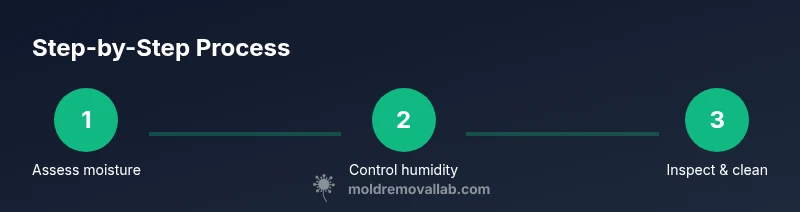
Steps
Estimated time: 60-90 minutes
- 1
Identify moisture sources
Begin with a visual inspection of potential moisture sources: leaky pipes, roof leaks, windows with condensation, and damp basements. Document locations with clear notes or photos to guide remediation.
Tip: Address leaks within 24-48 hours to prevent mold spread. - 2
Measure and control humidity
Use a hygrometer to measure humidity in problem rooms. If humidity exceeds 50-60%, use a dehumidifier or increase ventilation to bring levels down.
Tip: Run dehumidifiers at night in basements if moisture remains high after rainfall. - 3
Clean visible mold safely
Wear PPE and use a mild detergent solution to scrub nonporous surfaces. Do not mix cleaners with bleach or ammonia, which can release harmful fumes.
Tip: Keep doors closed to contain spores during cleaning. - 4
Dry surfaces completely
After cleaning, dry all areas thoroughly and recheck moisture levels. Moisture left behind is a primary driver of re-growth.
Tip: Use fans to accelerate drying and avoid air-drying in damp, enclosed spaces. - 5
Protect nail health during home work
Wash hands after handling moldy materials and keep nails clean and trimmed to reduce fungal entry points.
Tip: If foot fungus is suspected, limit shared footwear and wash socks daily. - 6
Plan for ongoing monitoring
Schedule monthly humidity checks and quarterly inspections for signs of leaks or new mold growth.
Tip: Keep a moisture log to spot patterns after rain or humidity spikes.
FAQ
How does mold exposure affect nail health?
Mold exposure can irritate skin and create moist conditions that favor fungal growth around nails. It does not directly cause nail fungus, which is usually caused by dermatophytes, but a damp environment can worsen nail health and susceptibility to infection. If nail changes are present, consult a clinician for proper diagnosis and treatment.
Mold exposure can irritate the skin around nails and create damp conditions that may make nail infections more likely, but nail fungus itself is diagnosed by a clinician.
Is bleach effective for mold cleanup?
Bleach can kill surface mold on nonporous surfaces, but it often fails to reach mold roots in porous materials and can release harsh fumes if misused. Porous materials may require removal and professional remediation.
Bleach can kill surface mold on hard, nonporous surfaces but is less reliable for porous materials and should be used with caution.
When should I see a doctor for nail fungus?
If you notice thickening, discoloration, or separation of the nail, especially with pain or diabetes or immune concerns, seek medical evaluation. Early antifungal treatment from a clinician improves outcomes.
Watch for nail changes and seek a clinician if they persist or worsen, especially if you have other health factors.
Can moisture control prevent nail fungus?
Yes. Reducing indoor moisture reduces mold growth and skin irritation, which helps maintain healthier nails. Consistent cleaning, ventilation, and humidity management support long-term nail health.
Controlling moisture helps reduce mold growth and supports healthier nails over time.
What is the difference between mold exposure and nail fungus?
Mold exposure refers to inhaling or contacting mold spores and is an environmental health concern. Nail fungus is a fungal infection of the nail, typically caused by dermatophytes. They are related in environment but distinct in cause and treatment.
Mold exposure is about environmental spores; nail fungus is a fungal infection of the nail with medical treatments.
Are home remedies reliable for nail fungus?
Home remedies may help some surface issues or mild cases, but most genuine nail infections require medical treatment. Rely on professional advice for nail fungus management, and use home methods only as supplementary care after medical guidance.
Home remedies aren’t reliable for true nail fungus; consult a clinician for appropriate treatment.
Watch Video
The Essentials
- Identify moisture sources before cleaning.
- Prioritize humidity control to prevent mold and support nail health.
- Differentiate nail fungus from mold; seek medical care when needed.
- Mold remediation and nail care require safe, coordinated steps.