How to Get Tested for Mold Toxicity: A Practical Home Guide
Learn how to get tested for mold toxicity with clear steps, testing options, and guidance on interpreting results. This Mold Removal Lab guide covers medical and environmental testing, what to expect, and how to plan remediation with confidence.


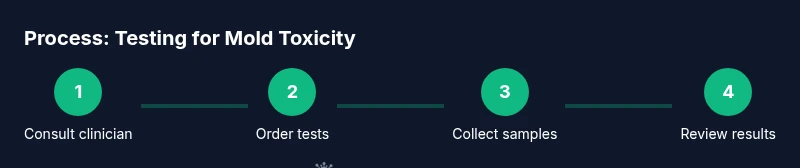
To get tested for mold toxicity, you’ll begin with a clinician visit to review symptoms and exposure, then select certified lab tests (blood, urine, or specialized panels) based on history. According to Mold Removal Lab, testing is most informative when paired with an indoor air assessment and medical review. Interpretation guides remediation, not a standalone diagnosis.
What mold toxicity testing can reveal
Understanding mold exposure and potential toxicity often requires both medical testing and environmental assessment. If you’re asking how to get tested for mold toxicity, the goal is to determine if mold-related toxins are present in your body and whether your symptoms align with exposure. Mold toxins (mycotoxins) can affect immune function, neurocognition, and respiratory health. Testing options include blood panels that look at immune response, urine tests for mycotoxins, and, in some cases, specialized panels that examine DNA signatures of mold exposure. The value of testing increases when paired with a careful exposure history and a visit to an informed clinician. The Mold Removal Lab Team notes that test interpretation improves when results are considered alongside environmental findings and clinical context. A positive result does not automatically imply a severe illness, nor does a negative result rule out exposure. The purpose is to guide remediation decisions and medical management, not to serve as a sole diagnostic tool.
Common testing pathways: blood, urine, and DNA-based panels
Testing for mold toxicity typically involves multiple pathways to capture different aspects of exposure and effects on health. Blood tests can assess immune responses to mold antigens and identify inflammatory markers that may accompany exposure. Urine-based mycotoxin panels search for small molecules produced by certain molds that can circulate in the body. In some cases, advanced DNA-based panels or sequencing approaches examine environmental mold signatures, which can help correlate indoor sources with bodily findings. It’s important to work with a clinician to determine which panels best fit your symptoms, history, and local environmental risks. The Mold Removal Lab Team emphasizes that results gain meaning when paired with clinical evaluation and environmental testing, rather than relying on one test alone. Environmental testing—such as indoor air sampling, dust analysis, and surface swabs—helps identify the likely mold sources that remediation should target. By combining bodily tests with environmental assessments, patients and families gain a more complete picture of health risks and steps to take.
The role of environmental assessment alongside medical testing
Environmental assessment is often the missing link between symptoms and real-world exposure. Indoor air sampling can detect mold spores in the air, while dust and surface sampling reveal settled spore loads and species presence. When used together with medical tests, results help distinguish transient exposure from chronic, ongoing sources. A thorough assessment also informs remediation strategy—knowing which rooms are most affected, which materials harbor mold, and how ventilation contributes to growth. Based on Mold Removal Lab analysis, pairing medical testing with environmental data improves the accuracy of health risk interpretation and supports targeted remediation planning that minimizes rebuild costs and health risks. Remember that environmental findings should guide practical actions such as improving ventilation, addressing moisture sources, and scheduling professional remediation when needed.
Choosing between healthcare-provider tests and at-home test kits
There are legitimate reasons to consider both clinician-ordered testing and validated at-home kits. Clinician-directed tests typically include standardized laboratory work with physician interpretation, which supports insurance coverage and medical decision-making. At-home kits can offer convenient screening for mycotoxins or mold DNA in dust, but their accuracy depends on the test design and lab standards. If you opt for at-home options, use only kits that state clear laboratory processing and provide access to professional interpretation. Always confirm that a kit’s results can be integrated into a medical workup and discussed with a clinician for accurate health guidance.
How to prepare for testing and collect samples correctly
Preparation improves accuracy and reduces the need for repeat testing. Before sample collection, notify your clinician about medications, supplements, and recent infections, as these can influence results. For blood tests, fasting is sometimes requested, but many panels do not require it. Urine tests may require first-morning samples to maximize marker concentration. Follow all instructions provided by the testing laboratory, including how to store samples and the timing of collection. If you are using an at-home kit, ensure you pack samples securely, ship them promptly, and report any collection issues to the lab. Consistency and timing help ensure the most reliable results.
Interpreting results and next steps
Interpreting mold toxicity results requires context. A positive finding may indicate exposure and immune response but doesn’t automatically establish a severe health condition. Clinicians consider symptom pattern, duration, environmental history, and coexisting health issues. If results suggest exposure, management often includes environmental improvements and, in some cases, medical treatment to address specific symptoms. In all cases, collaborate with a healthcare professional to develop a plan that balances symptom relief, exposure reduction, and monitoring over time. The goal is actionable guidance that leads to safer living spaces and better health outcomes.
When to test versus remediate first
Deciding whether to test first or remediate first depends on the scenario. If a moisture problem is evident, addressing the moisture source promptly is essential to prevent ongoing exposure. Simultaneously, testing can help determine if mold-related toxins are affecting health and guide the scope of remediation. In situations with significant symptoms or vulnerable populations (children, elderly, immunocompromised), it is prudent to pursue testing to tailor medical care and exposure reduction. A coordinated plan that includes both targeted testing and moisture control tends to yield the most reliable path to safer indoor environments.
Choosing the right clinician and lab for mold toxicity testing
Select a clinician who understands mold-related health concerns and is comfortable interpreting complex test results. Look for experience in environmental health, chronic illness, and occupational exposure when possible. For labs, choose accredited facilities that offer validated assays and clear turnaround times. Ask about insurance coverage, how results will be delivered, and what support is available for interpreting outcomes. By aligning medical expertise with reliable laboratory methodology, you position yourself for clearer guidance and more effective remediation planning.
Practical tips to pair testing with remediation planning
Effective remediation begins with a clear plan tied to test outcomes. Use the results to prioritize moisture control, material replacement, and ventilation improvements. Document moisture sources, remediation steps, and post-remediation verification tests to confirm reduced exposure. Engage qualified professionals for any structural work, and schedule follow-up testing to ensure improvements are sustained. Finally, maintain open communication with your healthcare provider to adjust treatment or monitoring as needed. The Mold Removal Lab team recommends a proactive, evidence-based approach that emphasizes both health and home safety.
Authority sources
- https://www.cdc.gov/mold/default.htm
- https://www.epa.gov/mold
- https://www.nih.gov
Tools & Materials
- Medical history form or clinician appointment(Document symptoms, exposure history, and risk factors before testing.)
- Ordered lab tests or at-home test kit(Blood, urine, or specialized panels selected by clinician.)
- Sample collection materials provided by lab(Follow kit instructions or lab protocol precisely.)
- Insurance information and lab requisition(Ensure coverage and proper billing codes are available.)
- Instruction manual for sample handling(Useful if using at-home testing to reduce errors.)
- Invitation to environmental assessment service (optional)(Helpful to identify indoor sources of mold.)
Steps
Estimated time: 2-6 weeks
- 1
Schedule a clinician visit
Book an appointment with a clinician who has experience in mold-related health concerns. Prepare your symptom timeline, exposure history, and any prior test results to facilitate a precise discussion.
Tip: Bring any medications or supplements that could affect results. - 2
Choose the appropriate tests
With your clinician, decide between blood panels, urine mycotoxin tests, or DNA-based assays based on symptoms and exposure history.
Tip: Ask about lab accreditation and test interpretation support. - 3
Obtain or order testing supplies
If using a clinic-based test, they will order the tests and provide sample collection instructions. If using an at-home kit, ensure you have all required materials and return shipping.
Tip: Double-check sample labeling to avoid mix-ups. - 4
Prepare for sample collection
Follow fasting or timing requirements as directed. Hydrate as needed and avoid activities that could contaminate samples.
Tip: Record any recent antibiotics or medications that might affect results. - 5
Collect samples according to instructions
Collect blood, urine, or alternative specimens exactly as instructed to minimize variability.
Tip: Ask for a demonstration if you’re unsure about the process. - 6
Submit samples to the lab
Send samples promptly using the lab’s preferred method. Keep tracking numbers and confirm receipt.
Tip: If using mail-in kits, use expedited shipping when possible. - 7
Receive and review results
Most labs provide a patient-friendly report with interpretation guidelines; share results with your clinician for contextual insight.
Tip: Note any highlighted markers or abnormal results. - 8
Discuss results with your clinician
Review how results relate to symptoms and environmental exposure; plan medical management and remediation accordingly.
Tip: Ask for a clear action plan and follow-up testing if needed. - 9
Plan remediation and follow-up
Coordinate moisture control, mold source removal, and any necessary building improvements. Schedule post-remediation testing to verify improvements.
Tip: Document all remediation activities for future reference.
FAQ
What does mold toxicity testing measure?
Testing typically looks for immune responses, presence of mycotoxins in urine, and environmental exposure indicators. Results must be interpreted alongside symptoms and exposure history to guide care and remediation.
Mold tests check for toxins and immune reactions, but doctors look at the whole picture including symptoms and home sources.
Are at-home mold test kits reliable for toxicity testing?
Home kits can indicate exposure, but their accuracy varies. They should be followed by clinician-ordered tests for a reliable health assessment and to guide remediation decisions.
Home kits can show exposure, but you’ll want a clinician to confirm what the results mean for your health.
Should I test before remediation or remediation first?
Testing before remediation helps identify health risks and tailor the remediation plan, but you should start addressing known moisture problems immediately to reduce ongoing exposure.
Test first to guide action, but fix moisture issues right away to stop mold growth.
How long do results take to come back?
Turnaround times vary by test and lab but most reports are ready within days to a couple of weeks after sample submission.
Results can take days to a couple of weeks depending on the test and lab.
Can medications affect test results?
Certain medications and recent infections can influence some markers. Always tell your clinician about medications and health changes before testing.
Medications can affect some test results, so tell your clinician everything before testing.
Will insurance cover mold toxicity testing?
Insurance coverage varies by plan and region. Ask your clinician to help determine coverage and any out-of-pocket costs before testing.
Coverage depends on your plan; check with your clinician and insurer beforehand.
Watch Video
The Essentials
- Be proactive: testing is most informative when paired with environmental assessments.
- Choose validated tests and accredited laboratories with clinician interpretation.
- Interpret results in clinical context to guide remediation and care.
- Combine medical testing with moisture control for meaningful health improvements.
- Plan follow-up testing to ensure sustained remediation success.