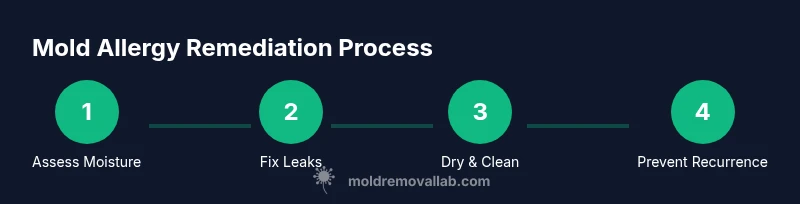
How to Combat a Mold Allergy: Practical Home Guidance
Learn practical, tested steps to reduce mold exposure, manage symptoms, and maintain a healthier home. This guide covers moisture control, ventilation, cleaning, medical considerations, and when to seek professional remediation.


Combatting a mold allergy requires reducing indoor mold exposure while supporting your body's response. Start with moisture control, improve ventilation, and seal off mold-prone areas. Use air filtration and routine cleaning, then pursue medical guidance for symptom relief. This plan integrates environmental changes with practical daily habits to lessen allergy flare-ups.
What triggers mold allergies and why it matters
How to combat a mold allergy begins with understanding triggers. If you’re wondering how to combat a mold allergy, recognizing where mold grows and when spores release helps you target mitigation. Mold spores are common in damp environments and can accumulate on wallpaper, wood, fabric, and HVAC ducts. For many people, inhaling these spores triggers sneezing, watery eyes, nasal congestion, coughing, and in some cases asthma symptoms. The effect is strongest in rooms with poor ventilation, visible moisture, or ongoing leaks. This is why moisture control sits at the top of any practical mold allergy plan.
According to Mold Removal Lab, moisture and humidity are the primary drivers of mold growth in homes, and addressing them yields the biggest returns in symptom relief. In addition to dampness, typical indoor triggers include damp basements, bathrooms with inadequate ventilation, kitchens where steam accumulates, and laundry rooms with insufficient drying. Mold can also colonize on walls, ceilings, and hidden areas behind appliances.
In short, the best defenses start with moisture management, then airflow and cleaning. By reducing the conditions that support growth, you lower spore exposure and make symptoms more manageable.
Assessing exposure and symptoms
Understanding your personal exposure helps you tailor a response to a mold allergy. If symptoms flare after you return from damp environments or after showers, you may be reacting to indoor mold spores. Start by tracking when symptoms occur and where you spend most of your time at home. Look for visible signs of moisture, such as condensation on windows, musty odors, or staining on ceilings and walls. While not a diagnostic substitute, noting these patterns helps you identify high-risk rooms and times of year. According to Mold Removal Lab analysis, moisture management is a key factor in reducing mold-related symptoms. If symptoms persist despite cleaning, consider a professional evaluation for hidden moisture behind walls or under floors, which often goes unnoticed until moisture problems worsen.
Common exposure hotspots include bathrooms, basements, laundry areas, and kitchens where steam accumulates. If you have a chronic allergy or asthma, airway symptoms may be more pronounced in these zones. The goal is to map out exposure sources, monitor humidity, and adjust living patterns to reduce daily spore load. A simple home moisture audit can be an effective starting point.
Practical steps to reduce indoor mold exposure
Reducing indoor mold exposure hinges on three pillars: moisture control, airflow improvement, and surface cleaning. Start with humidity targets around 30-50% and promptly fix leaks. Use exhaust fans in bathrooms and kitchens, and open windows when outdoor air quality is good. Maintain clean, dry surfaces by wiping spills promptly and drying towels thoroughly after use. For rigid surfaces, use non-abrasive cleaners and a stiff brush to remove visible growth, followed by thorough drying. Regular vacuuming with a HEPA-equipped cleaner helps capture airborne spores, and periodic replacement of HVAC filters minimizes recirculated mold. A dehumidifier can be helpful in damp spaces such as basements. In line with best practices, avoid high-moisture triggers and trap areas that harbor dampness. This approach is a practical, real-world method to curb symptoms and keep mold under control over time.
Medical management and when to seek care
Allergy relief often combines environmental control with medical strategies. Discuss with a clinician about over-the-counter antihistamines, nasal corticosteroids, or saline rinses to ease nasal congestion and irritation. If you have asthma or experience shortness of breath, seek urgent care. If symptoms persist for several weeks despite environmental changes, consider evaluation for a mold allergy or other triggers, and discuss potential immunotherapy options. Never delay medical care when breathing becomes difficult, as mold exposure can worsen respiratory conditions in susceptible individuals. A healthcare professional can help tailor a plan that fits your health profile.
For families with kids, monitor for recurrent sinus symptoms, coughing, or wheezing, and seek care promptly if symptoms escalate. Ongoing education about triggers and treatment improves outcomes and reduces disruption to daily life.
Home remediation basics: DIY vs professional
Not every mold issue requires a professional remediation, but larger growth or widespread moisture problems usually do. For small, contained spots on non-porous surfaces, careful cleaning and drying can suffice. If mold covers a large area, penetrates porous materials, or reappears after cleaning, professional remediation is advised. When evaluating a DIY option, make sure to wear appropriate protective gear and follow best practices to avoid spreading spores. For significant issues, a licensed remediation contractor will assess humidity, source control, containment, and proper disposal. Documentation of repairs and prevention measures helps prevent recurrence and protects occupants’ health.
Long-term prevention and maintenance
Sustained mold prevention relies on ongoing moisture control and routine housekeeping. Regularly inspect for leaks and fix them promptly. Keep indoor humidity in the 30-50% range using dehumidifiers and ventilation, especially in bathrooms, kitchens, and laundry rooms. Use exhaust fans during moisture-generating activities and ensure air circulates well throughout living spaces. Clean visible mold promptly and avoid carpeting damp areas, which can harbor spores. Consider a periodic professional assessment if your home has a history of moisture problems, and maintain a log of repairs and improvements so future occupants understand the prevention measures already in place.
Quick daily routines for allergy-friendly homes
Incorporate simple daily habits to reduce mold exposure. Wipe down high-moisture surfaces after use, dry towels fully, and run a short ventilation cycle in bathrooms. Change air filters on a schedule that matches your system’s guidelines and keep clutter to a minimum to avoid dust accumulation. If you notice persistent musty odors, investigate hidden moisture and address it promptly. A consistent routine reduces exposure and supports long-term allergy management.
Putting it all together: a two-week action plan
Day 1-2: Conduct a moisture audit, fix leaks, and set humidity targets. Day 3-5: Increase ventilation in bathrooms/kitchens, run dehumidifier in damp zones, and perform surface cleaning on mold-prone areas. Day 6-10: Introduce HEPA filtration, replace filters, and monitor indoor air quality with a hygrometer. Day 11-14: Schedule a professional assessment if issues persist, and reinforce daily routines to prevent recurrence. Throughout, track symptoms and adjust steps as needed to optimize comfort and health.
Tools & Materials
- dehumidifier(Use in damp spaces; aim for RH 30-50%)
- HEPA air purifier(Choose a model suitable for room size)
- hygrometer/moisture meter(Monitor humidity levels in key rooms)
- safety gear (N95 mask, gloves, goggles)(Protects during cleaning and remediation)
- microfiber cleaning cloths(Use dry and damp options for surfaces)
- non-ammonia mold cleaner or detergent(Avoid mixing cleaners; follow product guidance)
- plastic sheeting and masking tape(Containment for larger jobs)
- disposable scrub brushes(For stubborn growth on hard surfaces)
Steps
Estimated time: 2-14 days
- 1
Inspect moisture sources
Walk through the home to identify leaks, condensation, and damp spots. Document findings with photos and note high-risk zones like basements and bathrooms.
Tip: Prioritize issues that allow ongoing moisture; start with the most persistent leak first. - 2
Fix leaks and seal leaks
Repair plumbing, roof, and wall leaks. Seal gaps around windows and pipes to reduce moisture intrusion and improve overall indoor air quality.
Tip: Address leaks within 48 hours when possible to minimize mold growth. - 3
Dry affected areas quickly
Use fans, open windows if outdoor conditions permit, and run a dehumidifier to bring moisture down fast. Ensure surfaces are completely dry before reoccupying.
Tip: Mold can begin to grow within 24-48 hours of moisture; act quickly. - 4
Clean visible mold safely
Wear protective gear and use a non-ammonia cleaner. Wipe moldy areas, rinse, and dry thoroughly. Do not sand or scrape mold off large porous surfaces.
Tip: Dispose of contaminated materials according to local regulations. - 5
Improve ventilation and filtration
Install or upgrade exhaust fans, open air pathways, and run a HEPA-filtered purifier where mold exposure is highest. Replace HVAC filters regularly.
Tip: Keep doors between damp rooms open to promote airflow when feasible. - 6
Monitor humidity and reassess
Use a hygrometer to track humidity and adjust dehumidifier settings. Recheck areas that previously showed moisture or odor.
Tip: Set alerts or reminders to recheck humidity weekly. - 7
Decide on DIY vs professional remediation
For large areas (>10 square feet), hidden mold behind walls, or repeated growth, consult a licensed remediation contractor.
Tip: Document scope and photos to share with professionals for accurate quotes. - 8
Maintain and prevent
Create a routine for maintenance, including monthly checks of moisture-prone zones and seasonal cleaning before heating or cooling seasons.
Tip: Keep a home maintenance log to track improvements and future needs.
FAQ
What is a mold allergy?
A mold allergy is an immune reaction to mold spores inhaled from the air. Symptoms often include sneezing, runny nose, itchy eyes, and congestion, and can be more severe for people with asthma.
A mold allergy is an immune response to mold spores in the air, causing nasal and eye symptoms and sometimes wheezing for those with asthma.
What household steps reduce mold exposure?
Key steps include controlling humidity, fixing leaks promptly, cleaning visible mold safely, and improving ventilation with exhaust fans and air purifiers. Regular maintenance is essential.
Keep humidity low, fix leaks, clean mold safely, and improve airflow with fans and air purifiers.
Do I need professional mold remediation?
DIY cleaning is suitable for small, contained areas. Large growth, porous materials, or recurring issues should be handled by licensed professionals who can ensure containment and proper disposal.
DIY can help small problems, but bigger mold requires a licensed pro to avoid spreading spores.
Can mold exposure cause asthma?
Yes, long-term exposure can worsen asthma symptoms in susceptible individuals. Managing exposure and treating allergy symptoms can help reduce risk.
Exposure can worsen asthma in some people, so reducing exposure and seeking treatment is important.
Are there safe cleaning products for mold?
Use non-ammonia cleaners and mild detergents. Always follow label directions and avoid mixing cleaners which can create hazardous fumes.
Stick to mild cleaners and never mix chemicals when cleaning mold.
When should I see a doctor for mold allergy symptoms?
If symptoms persist beyond a few weeks, worsen, or involve breathing difficulties, consult a clinician for evaluation and treatment options.
If symptoms don't improve or you have trouble breathing, seek medical advice promptly.
Watch Video
The Essentials
- Control moisture to curb mold growth
- Improve ventilation and filtration in key rooms
- Use safe cleaning methods and wear protection
- Know when to call a professional remediation expert