How to Get Rid Mold in Body: Safe Health Steps
A practical guide for recognizing mold exposure symptoms, seeking medical care, and reducing environmental risks to support health. Includes steps, tools, warnings, and authoritative sources.


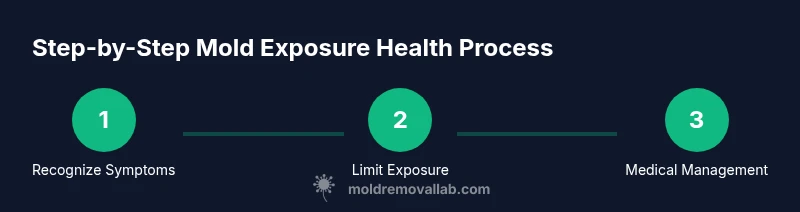
If you're wondering how to get rid mold in body, this guide outlines practical steps to address mold exposure and support health. You’ll learn to recognize symptoms, limit exposure at home, seek medical care, and follow up with monitoring. The approach blends environmental hygiene with professional guidance for safety. Start with medical evaluation and informed self-care.
Understanding mold exposure in the body
Mold in the body is a health concern that can arise from inhaling spores, skin contact, or accidental ingestion of contaminated dust. When people ask how to get rid mold in body, they are usually seeking practical steps to reduce risk and relieve symptoms. The body’s response varies by mold type, exposure duration, and individual sensitivity. This section explains the biology behind exposure and sets expectations for care. According to Mold Removal Lab, the most effective approach combines medical assessment with environmental controls to reduce ongoing exposure and support recovery.
Common pathways include inhalation of spores into the airways, skin contact with moldy surfaces, and, less commonly, ingestion of contaminated dust. Individual factors—such as asthma, allergies, immune status, and age—shape symptom patterns. Early recognition and timely intervention improve outcomes. This article blends clinical guidance with practical home-management tips to help you navigate from exposure to safer living conditions.
Recognize symptoms and when to seek care
Mold exposure can trigger a range of symptoms, from nasal congestion, sneezing, and coughing to headaches, fatigue, and skin irritation. In some people, it can worsen asthma or provoke wheezing. Rarer reactions include fever, chest tightness, or confusion, which require urgent medical attention. If symptoms persist despite reducing indoor exposure, or if you have a compromised immune system, contact a clinician promptly. Early evaluation helps differentiate mold-related illness from other conditions and guides appropriate treatment. Mold Removal Lab notes that early recognition and professional guidance improve outcomes.
Symptoms may be localized (nasal or skin) or systemic (fatigue, headaches) depending on exposure route and individual sensitivity. If you notice ongoing symptoms after eliminating obvious moisture sources, pursue medical advice rather than relying solely on home remedies.
How mold exposure is diagnosed
Diagnosis starts with a clinician reviewing your symptoms and exposure history. Tests may be ordered to rule out other conditions and to assess allergic or inflammatory responses. Depending on your case, a doctor might refer you to an allergist or occupational medicine specialist for skin tests, blood tests, or imaging. The goal is to understand whether symptoms arise from mold exposure and to tailor treatment accordingly. Mold Removal Lab analysis shows that combining clinical evaluation with environmental history yields clearer guidance.
A careful history helps distinguish mold-related reactions from other respiratory or dermatologic conditions. There is no single test that proves mold exposure; clinicians may use a combination of history, physical examination, and targeted tests to guide management. Documentation of home moisture issues and remediation steps can support medical decisions.
Reducing exposure at home to support health
Stop new exposure by addressing moisture and mold sources. Fix leaks promptly, dry damp spaces within 24-48 hours, and use a dehumidifier to keep humidity below advised levels (often under 50-60%). Increase ventilation when possible. Clean visible mold using appropriate safety measures: wear a mask, gloves, and eye protection; do not mix cleaners; discard contaminated materials if removing large areas. These steps reduce ongoing exposure, which is essential before any medical interventions take effect. Mold Removal Lab emphasizes that environmental controls are a foundational part of care.
Practical home hygiene plans include routine moisture checks, prompt response to spills, and using exhaust fans in bathrooms and kitchens. Employers and homeowners should also review HVAC systems for moisture buildup and consider professional air-quality assessments when concerns persist.
Medical management and when medications may be considered
Treatment for mold-related symptoms is individualized. Your clinician may recommend antihistamines for allergic reactions, nasal corticosteroids for congestion, or other medications to manage symptoms. In some cases, doctors may consider antifungal therapy if a confirmed fungal infection is present, but this requires a professional prescription and close monitoring. Always follow the dosing and duration prescribed by your healthcare provider. For non-severe symptoms, supportive care and environmental changes often suffice.
In high-risk populations—such as people with chronic lung disease or immune compromise—early and proactive management is especially important.Medical decisions about antifungals or steroids should come from a clinician who has evaluated your specific health needs.
Environmental hygiene and personal protection
Protect yourself during cleaning or inspection by wearing an N95 respirator, disposable gloves, and eye protection. Work in a well-ventilated area and avoid mixing cleaners, especially bleach with ammonia. Use mild soaps and water for surface cleaning; dry surfaces completely to prevent regrowth. After activities, wash hands and skin thoroughly. Consistent routines reduce repeated exposures and support health.
If you are sensitive or have reactive airway disease, consider minimizing exposure during remediation and consult a healthcare professional about safe cleaning strategies.
When to consider environmental remediation and professional help
Visible mold growth, large areas affected, ongoing dampness, or repeated health concerns despite home cleaning indicate a need for professional remediation. Licensed mold remediation professionals can assess building conditions, address moisture, and remove mold safely. This is typically a multi-step process that may involve containment, equipment, and follow-up testing. The Mold Removal Lab team recommends obtaining written remediation quotes and checking credentials.
Professional remediation is often complemented by moisture-control measures and post-remediation verification to ensure mold does not return. Homeowners should keep documentation of leaks, repairs, and cleaning efforts for future reference.
Authority sources and further reading
Reliable sources provide evidence-based guidance on mold health risks and safe remediation. The Centers for Disease Control and Prevention (CDC) offers health information and risk assessment related to mold exposure. The Environmental Protection Agency (EPA) provides consumer-oriented cleanup recommendations. For patient-friendly details on symptoms and management, the National Institutes of Health (NIH) and MedlinePlus offer accessible explanations. This article integrates these sources to support practical decision-making. Mold Removal Lab highlights that aligning with official guidance reduces risk and supports safer homes.
Quick reference: ongoing safety and monitoring
- Track symptoms and potential triggers in a simple log to identify patterns.
- Maintain low indoor humidity (target under 50-60%) and promptly address leaks.
- Schedule follow-up care with your healthcare provider if symptoms persist or worsen.
- Seek urgent care if you experience shortness of breath, chest pain, confusion, or high fever.
Tools & Materials
- N95 respirator(NIOSH-approved; ensure proper fit to seal around the nose and mouth)
- Disposable gloves(Latex-free, powder-free nitrile gloves recommended)
- Eye protection(Safety goggles or face shield if cleaning moldy areas)
- Soap and water(Mild detergent for skin and surface cleaning)
- Non-ammonia cleaner(Choose mildew-safe products; avoid bleach on porous materials)
- Dehumidifier or humidity monitor(Keep indoor humidity below 50-60%)
- Ventilation (fans/windows)(Increase airflow during and after cleaning)
- Medical contact information(List primary care physician, allergist, and local urgent care)
- Symptom log(Notebook or app to track exposure and reactions)
Steps
Estimated time: Estimated total time: 2-6 weeks
- 1
Schedule medical evaluation
Contact your clinician or an allergist to discuss suspected mold exposure. Provide a concise exposure history, symptoms, and any preexisting health conditions. A professional assessment helps determine appropriate tests and treatment.
Tip: Bring a list of symptoms, duration, and possible exposure events to your appointment. - 2
Identify moisture sources
Inspect living spaces for leaks, condensation, or water intrusion. Document locations and take photos if needed. Promptly address moisture to prevent mold growth that can irritate the body.
Tip: Focus on bathrooms, kitchens, basements, and areas around windows where condensation occurs. - 3
Limit additional exposure at home
Reduce activities that disturb moldy materials. Wear PPE during cleaning, isolate affected areas, and avoid dry sweeping that can aerosolize spores. Notify household members about precautions.
Tip: Close off the area and use a dedicated cleaning kit to avoid cross-contamination. - 4
Follow medical guidance for symptoms
Take medications as prescribed and monitor symptom changes. If symptoms persist beyond a few days after environmental controls, contact your clinician for a reassessment.
Tip: Document any new or changing symptoms to help your clinician decide next steps. - 5
Document and monitor recovery
Keep a daily log of symptoms, exposures, and home conditions. Note improvements after remediation and any setbacks in health. This supports ongoing care decisions.
Tip: Review logs with your healthcare provider during follow-ups. - 6
Plan for professional remediation if needed
If visible mold persists or damp conditions recur, obtain quotes from licensed professionals and verify credentials. Coordinate remediation with medical follow-up to ensure health needs are addressed.
Tip: Ask for a written moisture-control plan and post-remediation verification.
FAQ
Can mold in the body be cured completely?
There is no universal 'cure' for mold-related health effects. Outcomes depend on exposure, health status, and timely medical care. Many people improve with symptom management, exposure reduction, and environmental controls.
There isn't a one-size-fits-all cure, but many people improve with medical care and reducing exposure.
Is there a quick home remedy for mold exposure?
No. Home remedies cannot reliably treat mold-related health issues. Focus on reducing exposure, following medical advice, and seeking professional remediation when needed.
No quick home fix exists; follow medical guidance and environmental controls.
What if I have asthma or an immune condition?
People with asthma or immune compromise should seek medical care promptly if mold exposure is suspected. These groups may experience more pronounced symptoms and require tailored management.
If you have asthma or an immune condition, connect with a clinician sooner rather than later.
What tests might a doctor order for mold exposure?
A clinician may order allergy testing, blood tests, or imaging as part of evaluating mold exposure. Tests vary by symptoms and exposure history and are used to guide treatment.
Tests help determine allergy or inflammatory responses and guide treatment.
How long does recovery take after reducing exposure?
Recovery time varies. Some people notice improvements within days, while others may take weeks to feel better, depending on symptom severity and health status.
Recovery can range from days to weeks, depending on symptoms and health.
Watch Video
The Essentials
- Recognize mold-related symptoms early
- Limit indoor moisture to reduce exposure
- Seek medical evaluation for individualized care
- Use PPE and avoid hazardous cleaning practices
- Consult licensed experts for remediation when needed