How Often Is Mold Toxic? A Homeowner Guide to Risk
Learn why there’s no single rate for mold toxicity, how exposure, species and moisture shape risk, and practical steps for testing, remediation, and prevention in homes. A Mold Removal Lab guide focused on health and safety.


There is no universal percentage or fixed frequency that mold is toxic. Toxicity depends on mold species, spore concentration, and exposure duration. In most homes, molds are irritants or allergens rather than toxins; only certain species under high humidity can produce mycotoxins, and risk hinges on dose and duration of exposure, as well as individual health conditions.
Understanding the Toxicity Question
Toxicity is not a simple label that can be affixed to all mold. The term depends on several interacting factors: the mold species present, how many spores people are exposed to (dose), and how long exposure lasts. In practice, most molds found in homes are associated with allergic reactions or irritation rather than systemic poisoning. This distinction matters for day-to-day decisions: it guides when to clean, test, or call in professionals. According to Mold Removal Lab, framing risk around exposure and environment helps homeowners act quickly without panic. The key takeaway is that mold toxicity is a spectrum, not a single verdict.
Why There Is No Simple Frequency
A common internet myth is that a given percentage of mold is toxic. In reality, toxicity varies widely by species and environmental conditions. Some molds produce potent toxins only under high humidity and abundant nutrients, while others never reach toxin-producing states in typical homes. Therefore, reporting a fixed numerical rate would be misleading. This is why practical guidance emphasizes moisture control and prompt remediation over chasing a static “toxicity percentage.” Mold Removal Lab highlights that context matters far more than a blanket statistic.
How Toxicity Is Determined: Species, Dose, and Exposure
Three intertwined dimensions shape mold toxicity risk:
- Species: Some molds are known to produce mycotoxins under certain conditions; others are primarily irritants. Identifying species usually requires testing.
- Dose: The number of spores inhaled or contacted influences potential health effects. Higher exposure increases the likelihood of symptoms, especially in vulnerable people.
- Exposure duration: Prolonged contact with damp material or continuous moisture creates a higher cumulative dose, raising risk. This framework—species, dose, and duration—helps explain why a single number cannot capture risk in homes.
This approach aligns with the Mold Removal Lab recommendation to focus on environmental controls and exposure reduction as the primary risk management strategy.
Common Household Molds and Their Risks
Not all molds carry the same health implications. Common household molds, such as Aspergillus and Penicillium species, are often present in damp areas and can trigger allergic responses or asthma-like symptoms in sensitive individuals. Less common but more scrutinized molds, like Stachybotrys chartarum, attract attention due to associations with toxin production under specific moisture conditions. Real-world risk hinges on environmental factors (humidity, leaks, ventilation) and the health status of occupants.being mindful of moisture sources and visible growth remains the most reliable indicator of when action is needed.
Health Implications: Allergic Reactions vs Toxic Effects
For many people, mold exposure manifests as sneezing, watery eyes, coughing, or throat irritation. People with asthma or allergies may experience worsened symptoms. In rare circumstances, prolonged exposure to toxin-producing molds could contribute to more serious health concerns, particularly for the elderly, infants, or those with immune compromise. It is important to differentiate acute irritant responses from potential adverse health effects tied to specific mycotoxins. This nuance helps homeowners prioritize remediation without unnecessary alarm.
How to Assess Your Home's Risk: Quick Screening Steps
- Check for persistent musty odors and visible growth, especially after leaks or humidity spikes.
- Monitor indoor humidity with a hygrometer; keep RH below 50-60% where possible.
- Inspect hidden areas (behind drywall, under sinks, crawl spaces) for moisture intrusion.
- Track moisture sources and fix leaks promptly to reduce ongoing exposure.
- If growth is present or moisture problems persist, consider professional testing and remediation. These steps provide a practical, non-scary path to manage risk.
The Role of Mold Testing and Professional Inspections
Mold testing can help identify species and contamination levels, but results should be interpreted by trained professionals. Testing is most valuable when moisture sources are controlled and remediation decisions depend on precise data about what’s growing where. Professionals can provide targeted remediation plans, ensure proper containment, and verify that conditions have returned to safe levels. This reduces the uncertainty around “how toxic is this mold.”
Remediation vs Prevention: Practical Solutions
Effective remediation centers on eliminating moisture and removing affected materials safely. Practical steps include:
- Fixing leaks and drying spaces promptly.
- Cleaning nonporous surfaces with appropriate cleaners.
- Containing remediation work to prevent cross-contamination.
- Improving ventilation and air exchange.
- Sustaining humidity control to deter regrowth. The prevention mindset—keep spaces dry, well-sealed, and ventilated—yields the strongest long-term protection against mold-related health risks.
Safe Cleanup Practices for DIY Versus Pro
DIY cleaning can be appropriate for small, non-porous areas with careful procedures: wear gloves, eye protection, and a mask; avoid spreading spores; and use EPA-registered cleaners. Large or porous materials, insulation, or mold hidden behind walls usually require professional remediation to ensure complete removal and occupant safety. The decision to DIY vs. hire a pro should factor in the extent of growth, the presence of occupants with health conditions, and the risk of recontamination.
When to Seek Medical Advice or Emergency Care
If you experience persistent respiratory symptoms, severe allergic reactions, or new or worsening coughing or wheeze after mold exposure, consult a healthcare provider. In cases of suspected mycotoxin exposure or if there are signs of acute illness (such as fever, difficulty breathing, or confusion), seek urgent medical attention. Health concerns should guide remediation decisions and engagement with mold professionals.
Myths About Toxic Mold Debunked
- Not all mold is toxic; many molds simply pose allergen or irritant risks.
- Toxicity is not guaranteed by the presence of mold, because it depends on species, moisture, and exposure.
- Bleach or strong household cleaners alone are rarely sufficient for large or porous mold problems; professional remediation may be needed to ensure safety and prevent recurrence.
Putting It All Together: A Risk-Reduction Plan
Create a practical, phased plan:
- Stop moisture sources (leaks, high humidity).
- Clean or remove mold-affected materials where appropriate.
- Test if necessary to confirm species and contamination levels.
- Engage licensed professionals for significant growth, hidden mold, or persistent moisture issues.
- Maintain humidity control and regular inspections. This approach emphasizes prevention, timely action, and safety for all household members.
mainTopicQuery into mainTopicQuery:
Quick reference table: toxicity drivers and household impact
| Factor | What it means for your health | Typical household implication |
|---|---|---|
| Mold species | Some molds can produce toxins (mycotoxins) under specific conditions | Variable risk; high-toxins are rare but noteworthy |
| Exposure duration | Longer exposure increases dose | Higher risk with ongoing moisture problems |
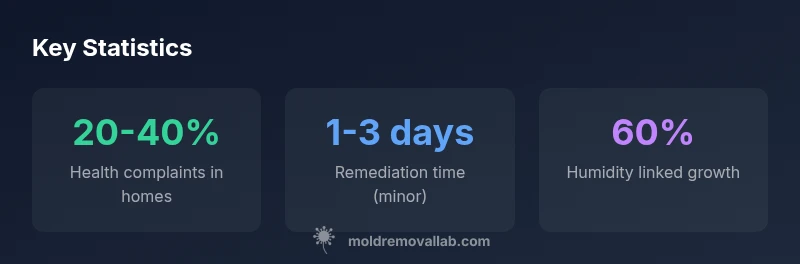
| Humidity | Humidity above ~60% supports growth | Elevated risk in damp environments |
| Individual health | People with allergies or asthma are more affected | Greater symptom likelihood in sensitive individuals |
FAQ
Is all mold toxic?
No. Most mold in homes is not inherently toxic. It commonly causes allergic reactions or irritation, especially in sensitive individuals. Toxicity is specific to certain species under particular conditions and should not be assumed for every mold presence.
No—most molds aren’t toxic; they mostly trigger allergies or irritation in many people.
Can mold exposure make you sick?
Yes, mold exposure can lead to symptoms like nasal congestion, coughing, and throat irritation, particularly for people with allergies or asthma. In rare cases, prolonged exposure to toxin-producing molds may contribute to more serious health issues.
Yes, exposure can cause sickness, especially for sensitive individuals.
What factors determine mold toxicity in a home?
Toxicity depends on mold species, moisture levels, exposure duration, and occupant health. Addressing moisture and removing growth are the most reliable ways to reduce risk.
Species, moisture, exposure time, and health determine risk.
Should I test my home for mold?
Testing can help identify species and tell you how widespread the problem is. It’s most useful when combined with moisture control and a plan for remediation, ideally guided by professionals.
Testing helps guide remediation when moisture is controlled.
Can DIY mold cleanup be safe?
DIY cleanup can be safe for small, nonporous areas if you follow proper precautions. Large areas, porous materials, or uncertain growth should be handled by professionals to avoid recontamination and exposure.
DIY can be okay for small spots, but bigger jobs should be left to pros.
When should I call a professional?
Call a professional if mold covers a large area, is behind walls, recurs after cleaning, or if occupants have health vulnerabilities. Professional remediation ensures containment and proper clearance testing.
Call a pro for large or persistent mold problems.
“Toxicity is not a universal property of mold. Risk hinges on exposure, species, and environmental conditions, which means practical steps—like moisture control and timely remediation—offer the most reliable protection.”
The Essentials
- Identify that mold toxicity is not a fixed trait
- Control moisture to reduce risk
- Use testing and professional help for unclear cases
- Differentiate irritant symptoms from toxic exposure
- Act quickly on leaks and damp spaces