Black Mold Poisoning: A Practical Guide for Homeowners and Renters
Discover what black mold poisoning is, the health risks, symptoms, testing options, and practical steps for safe remediation to protect your home and family. Learn when to call professionals and how to prevent recurrence.


Black mold poisoning refers to health effects from exposure to toxic indoor mold species such as Stachybotrys, though any prolonged mold exposure can trigger symptoms. This quick guide helps you recognize risk factors, identify common symptoms, and outline practical remediation steps homeowners can take to reduce exposure and protect family health in damp living spaces.
What is black mold poisoning?
Black mold poisoning refers to health effects from exposure to toxic indoor mold species. According to Mold Removal Lab, the term is used to describe reactions that occur after inhaling or contacting mold in damp buildings. While Stachybotrys chartarum is often cited, any prolonged exposure to moisture-affected mold can trigger symptoms in susceptible people. Common settings include basements, bathrooms, and areas with chronic water intrusion. The health impact ranges from mild allergic reactions to respiratory distress in vulnerable individuals. This overview explains why damp homes demand careful remediation rather than a quick purge of surface mold.
The phrase underscores a potential link between moisture problems and health complaints. While not every case of mold exposure leads to severe illness, persistent exposure in poorly ventilated spaces increases risk for respiratory irritation, coughing, and fatigue. For many, early action reduces symptom development and helps restore indoor air quality. According to Mold Removal Lab, recognizing the signs early makes remediation more effective and safer for families.
note":null},
Tools & Materials
- N-95 respirator mask(Fit-tested preferred; replace if you feel compromised.)
- Disposable nitrile gloves(Non-porous and chemical-resistant.)
- Goggles or face shield(Eye protection to avoid splashes.)
- Plastic sheeting and tape(To contain the workspace.)
- HEPA vacuum cleaner(HEPA rated; avoid spreading spores.)
- Mild detergent and water(Detergent-based cleaning for surfaces.)
- Spray bottle(For water/detergent mix.)
- Trash bags (heavy-duty)(Seal and dispose of contaminated materials.)
- Moisture meter (optional)(Helps assess drying progress.)
- Dehumidifier (optional)(Reduces humidity to below 50%.)
- Mold test kit (optional)(Useful for preliminary checks, not definitive.)
Steps
Estimated time: 2-4 hours for cleaning; 24-72 hours for drying and stabilization
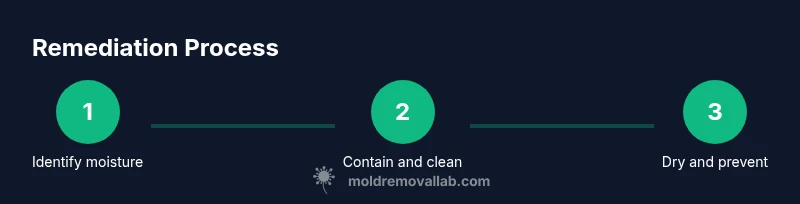
- 1
Identify moisture source
Locate any ongoing water intrusion or high humidity areas contributing to mold growth. Fixing the moisture problem is essential before cleaning to prevent recurrence. Document sources so later repairs can be prioritized.
Tip: Address leaks or condensation hotspots within 24-48 hours if possible to minimize spread. - 2
Contain the affected area
Seal off the space with plastic sheeting to prevent spores from circulating to other rooms. Close doors, use tape to seal edges, and set up a dedicated work zone with minimal foot traffic.
Tip: Use separate tools for contaminated zones and clean zones to avoid cross-contamination. - 3
Prepare PPE and workspace
Put on an N-95 mask, gloves, and eye protection before touching any moldy surfaces. Clear the area of valuables and place contaminated items in sealed bags for disposal.
Tip: Never skip PPE; even small mold patches can release spores during disturbance. - 4
Clean non-porous surfaces
Wipe surfaces with a detergent-and-water solution. Rinse with clean water and dry promptly. For stubborn patches, repeat cleaning, then dry thoroughly before proceeding.
Tip: Do not mix cleaners with bleach or ammonia to avoid dangerous fumes. - 5
Remove or seal porous materials
If materials are heavily contaminated (drywall, insulation), consider removing and disposing of them in sealed bags. If feasible, replace with mold-resistant materials after ensuring moisture is controlled.
Tip: Porous materials often harbor hidden colonies; disposal may be the safer option. - 6
Dry and dehumidify
Thoroughly dry the area using fans and a dehumidifier. Aim to lower humidity below 50% and maintain airflow for at least 24-72 hours until completely dry.
Tip: Moisture clearance is as important as cleaning—unseen moisture fuels regrowth. - 7
Inspect and seal repairs
Check for residual moisture, re-seal affected areas, and repair any structural damage that allowed moisture intrusion. Consider applying a mold-inhibiting primer on cleaned surfaces.
Tip: Proper sealing reduces future mold risks; prep and primer help durability. - 8
Plan follow-up testing and prevention
Schedule a follow-up assessment to confirm dryness and absence of regrowth. Implement ongoing prevention like improved ventilation, moisture control, and regular inspections.
Tip: Prevention saves more time and money than remediation after mold returns.
FAQ
What is black mold poisoning and should I be worried?
Black mold poisoning is a term used for health effects from exposure to mold in damp indoor environments. Most people experience mild symptoms, but persistent exposure can irritate the lungs and airways, especially in sensitive individuals. Seek professional guidance if you notice ongoing symptoms.
Black mold poisoning refers to health effects from mold in damp spaces; if symptoms persist, seek help from a professional.
Can I clean mold myself, or do I need a pro?
Small, surface mold on non-porous surfaces can often be cleaned with detergent and water. Large areas, porous materials, or mold growth behind walls should be handled by professionals to ensure safe removal and moisture assessment.
For big or hidden mold growth, it's best to hire a professional remediation service.
Is bleach effective against black mold?
Bleach is not always effective for mold on porous surfaces and can damage materials. It may kill surface mold but not remove deeply embedded colonies. Use approved cleaners and ensure the area dries completely.
Bleach isn’t a universal fix; for many surfaces, better cleaners and drying are needed.
How long does remediation usually take?
The duration depends on the size of the affected area and moisture control needs. Small jobs may take a day; larger jobs and structural repairs can take several days. A professional assessment provides a realistic timeline.
It varies, but a professional inspection will give you a clear timeline.
What safety steps should renters take?
Renter safety involves reporting moisture issues to the landlord, avoiding disturbing mold, and ensuring professional remediation when needed. Document conditions with photos and keep a log of repairs.
Report moisture problems and follow professional advice for safe remediation.
Can mold exposure cause long-term health problems?
Prolonged exposure can worsen respiratory conditions and trigger allergic reactions in some individuals. Medical evaluation is advised if symptoms persist after remediation.
If symptoms continue after cleanup, see a doctor for evaluation.
Watch Video
The Essentials
- Address moisture first to prevent mold in the first place.
- Contain the area to stop spore spread during cleanup.
- Drying thoroughly is essential to prevent regrowth.
- Use PPE and proper disposal for contaminated materials.
- Consider professional help for large or hidden mold growth.