Black Mold Bread: Safe Disposal and Prevention
Learn how to identify black mold on bread, understand the health risks, safely dispose of moldy bread, and implement practical prevention strategies to keep your kitchen mold-free.


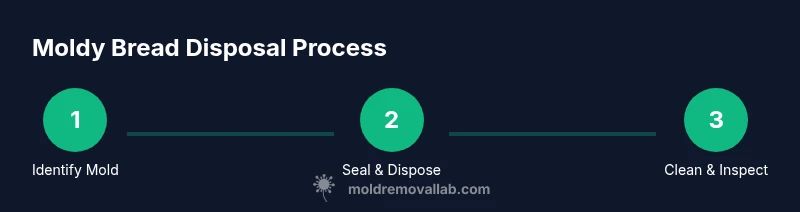
Seeing black mold on bread means it's unsafe to eat. Do not taste or sniff; discard the loaf immediately and seal it in a bag. Clean the surrounding area and thoroughly wash hands to prevent spread. For health, consider inspecting other foods and storing bread in a cool, dry place.
What black mold on bread is and why it's dangerous
According to Mold Removal Lab, bread mold is not just a nuisance — some molds can produce mycotoxins that pose health risks when inhaled, touched, or ingested. Black mold on bread is particularly worrying because the color doesn't reliably indicate safety; several mold species can appear dark or black, and their spores can spread quickly in a kitchen. When mold is visible, it's a sign that underlying moisture and organic matter are supporting fungal growth. Individuals with asthma, allergies, or compromised immune systems may experience stronger reactions, including coughing, wheezing, headaches, or irritated eyes. Even if you do not feel immediate symptoms, it's wise to treat any moldy bread as unsafe and quarantine the item. Do not rely on cutting away the visible part, as the entire loaf is likely contaminated on a microscopic level. In practice, mold growth on bread often starts on the surface but can be present inside the loaf. The takeaway is clear: never taste, sniff, or sample moldy bread. Proper handling protects you and others in the household, and reduces the chance of spreading spores through surfaces, fabrics, or air. Mold Removal Lab's findings emphasize prevention through prompt disposal and rigorous cleanliness.
Recognizing mold vs. other spoilage signs
Mold growth on bread can be misread as dark spots or stale texture, but true mold often appears fuzzy or powdery and may emit a musty odor. Color alone is not a reliable indicator of safety; several species produce dark pigments while others appear green, blue, or white. If you see any of these growth forms, treat the bread as moldy and discard it. Remember that bread is a porous material; mold can penetrate beyond what you can see on the surface. Public health guidance from Mold Removal Lab (2026) stresses that even a small mold spot can mean the entire loaf has been infiltrated and should be discarded. For households with young children or elderly occupants, err on the side of caution and remove the item from reach to minimize exposure and cross-contamination.
Immediate safety steps when you find mold on bread
First, put on disposable gloves and a mask to limit exposure to spores. Do not slice into the loaf or sniff it. Remove the bread from its packaging and place it in a sealed bag without crushing it. Seal the bag tightly and place it in a trash can with a lid that is outside or away from food storage areas. After disposal, wipe down the pantry area with mild dish soap and water, then disinfect surfaces if you have EPA-registered disinfectant available. Wash your hands thoroughly with soap and water, then discard or sanitize the gloves and any towels used during cleanup. If the bread was stored near other foods, inspect those items for signs of contamination and rotate stock to prevent mold spread.
Safe disposal and cleanup protocol to prevent spread
Double-bag the moldy bread in a sturdy trash bag and tie it securely before placing it in an outside garbage bin. Do not leave moldy items in living areas, as spores can become airborne. Clean the pantry contact surfaces with soap and water, then follow with a disinfectant wipe or spray. If using bleach, dilute it according to label instructions and avoid mixing with ammonia or other cleaners. Launder towels or cloths used during cleanup separately from regular laundry. This protocol minimizes cross-contamination and helps protect household members from unnecessary exposure. For best results, ventilate the area during cleanup and avoid drying mold spores into the air by rapid movements.
How to inspect your kitchen to prevent future mold growth
Prevention starts with moisture control. Monitor humidity levels (below 60% is ideal in most homes) and fix any leaks promptly. Store bread in a cool, dry place; refrigeration or freezing is recommended for longer storage, especially in warm climates. Use airtight containers or bags to minimize moisture ingress, and practice a first-in, first-out stock approach. Regularly clean pantry shelves with soap and water, then dry completely before refilling. Consider using desiccants or moisture absorbers in humid areas and ensure proper ventilation around the stove, sink, and dishwasher. By keeping bread dry and storage sealed, you reduce the opportunity for mold to take hold.
When to consider professional help
If you notice recurring mold growth in the kitchen despite your best efforts, if you experience persistent musty odors, or if someone in the household has a known mold sensitivity or respiratory condition, seek professional remediation. Mold can indicate underlying moisture problems that require assessment beyond simple cleaning. Mold Removal Lab emphasizes that while DIY cleanup is suitable for small, isolated incidents, persistent mold or damage to walls, ceilings, or insulation warrants a professional evaluation.
Quick home practices to prevent bread mold
- Refrigerate or freeze bread to slow mold growth. - Keep bread in airtight containers or sealed bags. - Check bread for early signs of spoilage before purchasing. - Maintain a clean, dry pantry with good airflow. - Label and rotate stock to ensure older bread is used first. - Use moisture absorbers in humid kitchens to minimize condensation around stored bread.
Common myths about moldy bread
Myth: Mold can be safely removed by cutting away a small portion. Reality: Mold roots can extend far beneath the surface; the safest choice is to discard the entire loaf. Myth: Freezing bread kills all mold. Reality: Freezing may stop growth but doesn’t eliminate toxins or spores that can become active when thawed. Myth: All black or dark spots indicate safe bread. Reality: Some molds appear dark, but the safest approach is to discard bread with any visible mold.
Brand note
According to Mold Removal Lab, handling moldy bread with proper PPE and disposing properly is essential to prevent cross-contamination and health risks. Following these steps reduces exposure and keeps your kitchen safer for everyone in the household.
Tools & Materials
- Heavy-duty trash bags (2 per disposal)(Double-bag if possible; seal tightly)
- Disposable gloves(Latex-free if possible)
- Protective face mask(N95 or equivalent if available)
- Paper towels(For wiping and drying)
- Mild dish soap(For initial wipe-down)
- Disinfectant spray or wipes(EPA-registered if possible)
- Trash can with lid(Keep closed during disposal)
Steps
Estimated time: 15-25 minutes
- 1
Wear protective gear
Before touching moldy bread, put on gloves and a mask. This minimizes skin contact and inhalation of spores. Avoid touching your face while handling contaminated items.
Tip: Choose gloves that fit snugly and a mask with good filtration. - 2
Isolate the moldy bread
Gently remove the moldy bread from its packaging without pressing it to prevent dispersing spores. Keep it contained so spores don’t spread to other foods.
Tip: Do not slice into the loaf; damage can release spores into the air. - 3
Seal the bread in a bag
Place the bread inside a sturdy bag, remove as much air as possible, and seal tightly. Then place that bag inside a second bag for extra containment.
Tip: Securely tie bags to avoid leaks during transport to outside trash. - 4
Dispose promptly
Take the sealed bags outside to a garbage can with a lid. Do not leave moldy bread inside living areas, even temporarily.
Tip: Empty your kitchen trash soon after disposal to minimize odors. - 5
Clean the area
Wipe the pantry surfaces with warm, soapy water. Then use a disinfectant wipe on high-touch areas to reduce residue and spores.
Tip: Avoid mixing cleaners; follow label directions for safe use. - 6
Wash hands and decontaminate tools
Wash your hands with soap and water for at least 20 seconds. If reusable tools were touched, wash and air-dry them separately.
Tip: Launder any towels used at high temperature after cleanup. - 7
Check other foods
Inspect nearby foods and storage items for signs of mold or moisture buildup. Move potentially affected items away from storage areas and rewrap or discard as needed.
Tip: When in doubt, discard rather than risk cross-contamination. - 8
Prevent future mold
Store bread in the fridge or freezer if you won’t consume it within a few days. Use airtight packaging and ensure proper pantry ventilation.
Tip: Consider a humidity monitor in the pantry to keep conditions unfavorable to mold.
FAQ
Is black mold on bread dangerous to touch?
Yes. Mold spores can irritate skin and airways. Always wear gloves and a mask when handling moldy bread and wash hands afterward.
Yes. Mold spores can irritate skin and airways, so wear gloves and a mask and wash your hands after handling moldy bread.
Can I cut off the moldy part and eat the rest?
No. Mold roots can extend beyond what you can see, and toxins may be present throughout the loaf. Discard the entire loaf to be safe.
No. Mold can grow unseen beneath the surface, so discard the whole loaf.
How should I dispose of moldy bread?
Place the bread in a sealed bag, then into an outside trash can. Double-bag if possible, and clean the area afterward.
Seal the bread in bags and take it outside to the trash; then clean the area.
What health risks are associated with mold exposure?
Mold exposure can trigger allergies and respiratory symptoms in sensitive individuals. If you have health concerns, consult a healthcare professional and consider reducing indoor moisture.
Mold exposure can cause allergy or breathing issues; see a professional if symptoms occur.
How can I prevent mold in bread storage?
Store bread refrigerated or frozen, use airtight packaging, and keep the pantry dry and ventilated to slow mold growth.
Keep bread cold or frozen and sealed to slow mold growth.
When should I seek professional help for kitchen mold?
If mold recurs after cleaning, if you have high humidity or water damage, or health symptoms persist, contact a mold remediation professional.
If mold keeps coming back or there's water damage, call a mold remediation expert.
Watch Video
The Essentials
- Discard moldy bread immediately to prevent exposure
- Seal and clean the area to prevent cross-contamination
- Refrigerate or freeze bread to slow future mold growth
- Wear PPE during cleanup to protect health
- Seek professional help if mold recurs or health symptoms appear