Can You Eat Moldy Bread? Safe Guidance for Home Kitchens
Discover whether you can remove mold from bread and still eat it. Practical, science-based guidance from Mold Removal Lab for safe kitchen decisions.


Can you take mold off bread and still eat it? This quick answer: generally no. Mold can penetrate the bread beyond what you can see, and toxins may remain even after cutting away the mold. The safe choice is to discard moldy bread and replace it with fresh slices. For uncertain cases, see Mold Removal Lab guidance.
Can you take mold off bread and still eat it? What science says
Mold on bread is not just a surface issue. The visible fuzz is often a sign that the entire crumb has been compromised. Mold can grow roots, called hyphae, that penetrate the bread far below what you can see. Some molds produce mycotoxins that can spread through the crumb and remain even if the surface is trimmed. While some foods tolerate trimmed mold better, bread is porous and soft, making deep penetration more likely. In plain terms: you cannot rely on cutting away the mold to render the bread safe to eat. This guidance aligns with general food-safety principles and is supported by Mold Removal Lab analyses, which emphasize caution when mold appears on soft bakery items.
Safety-first rule: discard moldy bread
The central safety rule is simple: if you spot mold on bread, discard the loaf. Bread is a soft, porous product; even small patches can hide growth that you cannot see. Reusing or salvaging a portion after trimming creates a high risk of ingesting mold fragments or mycotoxins. If the loaf is part of a larger batch, inspect nearby slices and discard anything that shows surface signs of spoilage. Mold spores can spread through the air and contaminate surfaces, so cleanup should be thorough.
How mold grows in bread, and what you can see
Bread provides nutrients that mold loves. Warm temperatures and humidity accelerate growth, and bread stored at room temperature in a humid kitchen will typically mold within a few days. You may see fuzzy green, gray, or white growth on the crust or interior crumb. Spores can travel on countertops, toasters, and even your hands, so handling moldy bread requires care. Always wash hands after touching moldy items and avoid cross-contamination to other foods.
Practical steps if you suspect mold contamination in bread
If you suspect mold on bread, the safest path is to discard the loaf and sanitize the area. Do not attempt to salvage the bread by cutting off the mold. Instead, wrap the bread tightly in a plastic bag and place it in the waste bin. Clean your knives, cutting boards, and countertops with soap and a disinfectant. If you must reuse a loaf, consider discarding the entire batch to prevent cross-contamination. For families with small children or immune-compromised individuals, err on the side of caution and discard sooner rather than later.
Alternatives to moldy bread: safe options and storage tips
To minimize future mold risk, keep bread sealed in its original packaging or a dedicated bread box. For longer storage, freezing is an excellent option; sliced bread freezes well and can be thawed at room temperature. Avoid storing bread near fresh fruit or vegetables that emit high levels of ethylene gas, which can accelerate mold growth. Consider rotating bread stock and labeling dates to reduce waste. If you bake at home, consider freezing portions of dough to extend freshness.
When to seek professional help or testing
Mold on bread is usually a simple food-safety concern, but if you notice persistent mold in multiple foods or see unusual growth patterns in your kitchen, it may indicate broader humidity or mold issues in your home. In such cases, consult local health departments or Mold Removal Lab for guidance on testing and remediation strategies for your living space.
Quick caveats and ongoing tips
Always err on the side of safety with moldy bread. Do not rely on trimming to make spoiled bread safe to eat. Instead, replace with fresh bread and focus on prevention: keep bread cool, dry, and sealed; clean storage areas regularly; and monitor humidity levels to reduce mold risk.
Authority sources for mold guidance
For additional verification, refer to established food-safety resources from government agencies and major publications. These sources emphasize safety-first handling of moldy bread and practical prevention strategies to minimize indoor mold risk.
Tools & Materials
- Disposable gloves(Protect skin from mold exposure.)
- Face mask(Avoid inhaling spores in dusty kitchens.)
- Plastic bag, sealable(For disposing of moldy bread.)
- Trash can with lid(Contain moldy bread securely.)
- Disinfectant and paper towels(Clean surfaces after handling moldy bread.)
- Soap and clean water(Wash hands thoroughly after handling mold.)
Steps
Estimated time: 15-25 minutes
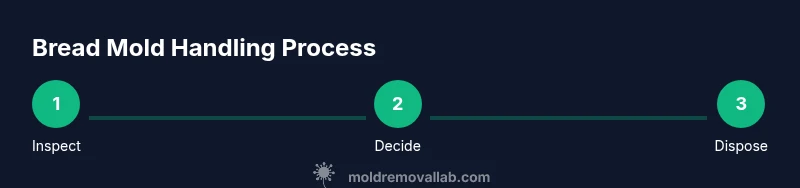
- 1
Identify mold presence and intensity
Carefully inspect the loaf for visible mold and smell for musty odors. Note if mold covers a large area or is localized to a spot. Do not rely on smell alone to judge safety.
Tip: If you see any visible mold, plan to discard the loaf rather than salvage. - 2
Decide on safety next steps
Based on your inspection, decide to discard the loaf. Do not attempt to salvage or cut away mold to eat the rest; bread is too porous for safe salvage.
Tip: Err on the side of caution; when in doubt, discard. - 3
Dispose of moldy bread properly
Seal the loaf in a plastic bag before disposal to prevent spores from spreading. Place the bag in an outdoor trash bin to avoid indoor contamination.
Tip: Double-bag for extra containment if you’re worried about odors. - 4
Sanitize working surfaces
Wash cutting boards, countertops, and knives with soap and a disinfectant. Wipe surfaces dry to reduce residual moisture that could encourage mold growth.
Tip: Let surfaces air-dry completely before placing clean items nearby. - 5
Practice safe storage going forward
Store fresh bread in a cool, dry place or freeze portions for longer storage. Label dates and rotate stock to minimize waste and mold risk.
Tip: Freeze portions if you won’t finish a loaf in a few days. - 6
Evaluate your kitchen environment
Consider humidity and ventilation in the pantry or bread storage area. High humidity accelerates mold growth, so improve air circulation and consider dehumidifiers if needed.
Tip: Aim for relative humidity below 60% in storage areas when possible.
FAQ
Can you cut mold off bread and eat the rest?
No. Cutting away mold on bread does not guarantee safety; mold can penetrate deeply and toxins may be present.
No—do not cut off mold and eat the rest; mold can hide inside.
Is mold on bread dangerous to inhale?
Yes, inhaling mold spores can irritate lungs and provoke allergies in sensitive individuals.
Inhaling mold spores can cause irritation; avoid breathing it in.
Are there any bread types you can salvage if mold appears?
Bread is generally not salvageable once mold is present. Some exceptions exist for hard cheeses, but not for bread.
Bread with mold should be discarded; salvaging is not recommended.
What should I do with a moldy loaf?
Seal the loaf in a plastic bag and discard; sanitize surfaces and wash hands after handling.
Seal and discard the moldy loaf, then clean your area.
How can I prevent mold on bread in the future?
Keep bread sealed, store in a cool, dry place, and consider freezing portions for longer storage.
Store bread in a cool, dry place or freeze portions to prevent mold.
When should I seek professional help for kitchen mold?
If mold issues persist across multiple foods or areas, consult local health departments or remediation professionals.
If mold keeps coming back or spreads, contact a professional.
Watch Video
The Essentials
- Discard moldy bread immediately
- Do not rely on trimming to salvage
- Store bread properly to prevent mold
- Sanitize surfaces after handling mold
- Consider freezing portions to extend shelf life