Black Mold Allergies: A Practical Home Guide
A practical home guide for managing black mold allergies, covering sources, safe testing, cleaning, and prevention to reduce exposure and allergy symptoms in your living space.


You will learn how to identify and reduce exposure to black mold allergies in your home, with practical steps you can start today. Essential actions include testing moisture, cleaning safely, and deciding when to call a pro. Mold Removal Lab's guidance emphasizes safety, prevention, and ongoing monitoring for healthier indoor air.
Understanding black mold allergies
According to Mold Removal Lab, black mold allergies occur when mold spores of related species are inhaled or come into contact with the skin, triggering immune responses in sensitive individuals. People with asthma, allergic rhinitis, or compromised immune systems are more likely to experience coughing, sneezing, sinus pressure, wheezing, and headaches when exposed to indoor mold. Even if you cannot see visible colonies, microscopic spores can be present in the air and accumulate in damp spaces. For homeowners, recognizing the signs—musty odor, visible discoloration, and lingering moisture—helps you act quickly. The Mold Removal Lab team found that damp indoor spaces, poor ventilation, and high humidity significantly increase exposure risk, particularly in bathrooms, basements, or laundry rooms. Early action reduces symptoms and limits spread, protecting children, older adults, and pets who might be more vulnerable to allergens.
Common indoor sources of black mold
Most indoor mold growth happens where moisture thrives. Challenges often begin with small leaks, condensation on windows, or high humidity in bathrooms, basements, or laundry rooms. Visible discoloration—greenish-black patches on walls or ceilings—signals active growth, but spores can also linger in hidden areas like behind appliances or inside HVAC ducts. In homes with inadequate ventilation, stale air helps molds release spores more easily into living spaces. The Mold Removal Lab analysis shows that humidity control and prompt repair of leaks dramatically reduce recurrence. Regular inspections of bathrooms and basements, especially after rain or humid weather, are essential. By addressing sources early, you diminish allergy triggers for residents who are sensitive to mold spores.
How moisture, humidity and ventilation drive exposure
Humidity fuels mold growth; when moisture remains in a space, spores settle and colony formation accelerates. Poor ventilation traps damp air, increasing inhalation exposure for occupants with black mold allergies. A practical rule many homes follow is to keep interior humidity below 50%, use exhaust fans in bathrooms and kitchens, and ensure air from dryers vents outside. The Mold Removal Lab team emphasizes that improving airflow can dramatically reduce spore concentration in occupied rooms. Monitoring humidity with a simple hygrometer helps you respond quickly to rising levels and implement dehumidification strategies before growth becomes visible.
Safe testing and assessment: DIY vs professional
DIY moisture meters and home mold test kits can indicate whether moisture levels are rising and if visible growth exists, but they do not replace professional assessments for structural issues. For allergic individuals, relying solely on DIY tests may miss hidden colonies behind walls or under flooring. Consider a two-step approach: screen with consumer tools, then schedule a professional mold inspection if you notice persistent moisture, strong musty odors, or recurring symptoms. The Mold Removal Lab guidance stresses that professional assessments provide a comprehensive view of contamination, materials affected, and remediation needs, which is crucial for informed decisions about safety and costs.
Safe cleaning and containment basics
Containment is key to preventing spores from spreading during cleaning. Seal the work area with plastic sheeting, cover floors, and shut doors to adjacent rooms. Wear appropriate PPE: a well-fitting N95 respirator, gloves, and eye protection. Start with dry brushing or vacuuming only non-porous surfaces, then use approved cleaners to remove visible mold. Avoid saturating porous materials, which can trap moisture and invite regrowth. After cleaning, dry the area quickly and maintain airflow to accelerate drying. These practices minimize exposure during remediation and reduce the risk of symptoms for black mold allergies.
Cleaning steps for typical surfaces (non-porous) and porous materials
For non-porous surfaces like glass, metal, and sealed tiles, wipe with a detergent solution or a cleaner recommended for mold cleanup, rinse, and dry completely. Porous materials such as drywall, insulation, or ceiling tiles that show mold growth should be carefully removed and disposed of, as they may harbor hidden spores. Always bag contaminated materials in sealed trash bags to prevent leakage during removal. After removal, disinfect and allow the area to dry. The goal is to prevent moisture buildup that could support new growth. The Mold Removal Lab notes emphasize replacing heavily contaminated porous materials to ensure lasting safety for residents with allergies.
When to call a professional and what to expect
If mold covers more than about 10 square feet, if you suspect growth behind walls or under flooring, or if occupants have severe allergy symptoms, seek professional remediation. A licensed mold remediation contractor will identify moisture sources, isolate the area, remove contaminated materials safely, and restore the space with proper ventilation and drying. Expect a post-remediation verification step to confirm that moisture levels have returned to normal and that no hidden growth remains. The Mold Removal Lab team advises building owners to request documentation of workmanship and a remediation plan before work begins.
Health considerations for people with black mold allergies
People with black mold allergies may experience runny nose, itchy eyes, coughing, and asthma-like symptoms when exposed. In severe cases or for individuals with preexisting respiratory conditions, exposure can trigger bronchitis or more serious reactions. It is essential to minimize exposure during any remediation and to consult a healthcare professional if symptoms persist after removing mold. Keep living spaces well-ventilated, maintain low humidity, and avoid reentry into treated areas until professionals confirm it is safe. The Mold Removal Lab analysis highlights that reducing exposure is crucial for symptom management and long-term health.
Prevention strategies for ongoing safety
Prevention focuses on moisture control, ventilation, and regular monitoring. Fix leaks promptly, improve bathroom exhaust venting, and use dehumidifiers in damp spaces. Clean regularly with mold-safe products and inspect for signs of moisture after heavy rains or plumbing work. Keeping indoor humidity consistently low helps ensure that black mold allergies do not trigger symptoms as frequently. The Mold Removal Lab guidance recommends periodic inspections of key areas (basements, kitchens, bathrooms) and maintaining a simple log of humidity readings and remediation actions to catch problems early.
A practical remediation plan for a small area
This plan provides a realistic, small-area approach that homeowners can adapt. Start with a visual audit of the affected zone (ceilings, walls, and near water sources). If growth is limited to a small area, isolate the space, prepare PPE, and clean non-porous surfaces first. For porous materials, removal is often necessary. Dry the area thoroughly after cleanup, monitor humidity, and recheck for signs of regrowth over the next two to four weeks. Keep a record of moisture levels and remediation steps. The Mold Removal Lab team recommends reviewing building materials and ventilation to prevent future issues and scheduling regular humidity checks to maintain a healthier home environment.
Tools & Materials
- N95 respirator mask(NIOSH-approved; replace after use or if it becomes damp.)
- Disposable gloves (nitrile)( protect skin from mold and cleaners.)
- Safety goggles or face shield(protect eyes from splashes and spores.)
- Mold-safe cleaner or detergent(use according to label directions; avoid harsh concentrations.)
- Moisture meter/hygrometer(to monitor humidity in remediation zones.)
- Plastic sheeting and painter’s tape(for containment of work areas.)
Steps
Estimated time: 2-6 hours depending on area size and moisture levels.
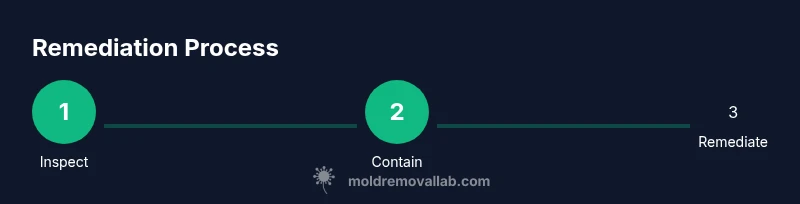
- 1
Inspect and document the area
Begin with a thorough visual inspection of the affected space, noting moisture sources, leakage, and visible mold growth. Take clear photos from multiple angles and sketch a quick floor plan to guide containment and remediation.
Tip: Document every sign of moisture and mold to help contractors target the right areas. - 2
Contain the space
Seal the area with plastic sheeting, close doors, and turn off HVAC vents that could spread spores. Use tape to create an airtight seal and prevent cross-contamination during cleaning.
Tip: Containment reduces exposure risk for household members with allergies. - 3
Prepare PPE and workspace
Put on the N95 mask, gloves, and eye protection before touching any moldy surfaces. Lay down plastic on the floor and have cleaning supplies ready.
Tip: Inspect PPE fit beforehand; a good seal improves protection. - 4
Clean non-porous surfaces
Wipe non-porous surfaces with a detergent solution and a clean cloth, rinse, then dry completely. Avoid saturating any surface to prevent moisture retention.
Tip: Work from top to bottom to prevent drips onto clean areas. - 5
Remove contaminated porous materials
Carefully remove porous items (drywall, insulation) if mold has deeply penetrated. Place contents into sealed bags for proper disposal.
Tip: Do not attempt to save heavily contaminated porous materials. - 6
Dry and recheck for growth
Use fans and dehumidifiers to dry the area within 24-48 hours. Reinspect the area for any new growth or moisture sources.
Tip: Consistency is key; moisture should stay low over time.
FAQ
What are common symptoms of black mold allergies?
Common symptoms include sneezing, runny nose, itchy eyes, coughing, and throat irritation. In people with asthma or chronic respiratory conditions, symptoms can worsen with exposure.
Common symptoms include sneezing, itchy eyes, and a runny nose, which can worsen for those with asthma.
Can I test for black mold allergies myself?
DIY tests can indicate the presence of mold and moisture, but they don’t diagnose allergies or identify all growth. For a comprehensive assessment, hire a professional mold inspector.
DIY tests can show possible mold, but a professional inspection gives a full assessment.
Is vinegar effective against black mold?
Vinegar can kill some surface mold on non-porous surfaces, but it isn’t a complete solution for large or hidden growth. Do not rely on vinegar alone for remediation.
Vinegar may help on non-porous surfaces, but it’s not a cure-all for larger mold growth.
Are black mold spores dangerous?
Spores can trigger allergic reactions and respiratory symptoms in sensitive individuals. In some cases, exposure can worsen asthma or cause sinus issues.
Mold spores can irritate airways and trigger allergic symptoms in sensitive people.
How long does mold remediation take?
Remediation times vary by area size, contamination level, and moisture control. Small areas may take a few hours; larger issues can take several days with professional help.
Remediation time depends on the area and level of growth, from a few hours to a few days.
What prevention steps reduce allergy symptoms?
Keep humidity low, fix leaks promptly, improve ventilation, and perform regular inspections. Clean regularly with appropriate products and watch for signs of moisture after weather events.
Prevention includes controlling humidity, fixing leaks, and maintaining good ventilation.
Watch Video
The Essentials
- Identify likely mold sources by inspecting moisture-prone rooms.
- Limit exposure and ventilate during cleaning to reduce spore spread.
- Choose professional remediation for extensive growth or porous materials.
- Create a prevention plan to minimize future dampness and mold growth.
- Document moisture and remediation steps to maintain a healthier home.