Removing Mold from Carpet: A Practical Guide
Learn how to safely remove mold from carpet with practical steps, PPE, cleaning agents, and quick-drying methods. Mold Removal Lab shares a tested approach for homeowners and renters to restore a healthy home.


Goal: remove mold from carpet safely using common tools and cleaners. This quick answer outlines containment, PPE, cleaning agents, and fast drying. You’ll know when to DIY, what to gather, and how to verify that mold is gone before you resume normal use. Follow the detailed steps in the main article for a thorough, science-based remediation.
Understanding mold on carpet
Mold growth on carpet is more than a stain; it indicates persistent moisture and can release mold spores into living spaces. These spores may trigger allergies, asthma symptoms, and other respiratory problems, especially for children and people with sensitivities. Removing mold from carpet starts with identifying moisture sources, acknowledging that some species can penetrate carpet fibers, padding, and even the subfloor. In this guide from Mold Removal Lab, we emphasize safe handling and evidence-based methods. The goal is not only to clean visible mold but to reduce humidity, dry thoroughly, and prevent recurrence. Remember: even if you only see surface mold, hidden growth behind baseboards or under padding can persist if moisture isn't controlled. The Mold Removal Lab team recommends a cautious, stepwise approach that prioritizes safety and health outcomes.
Safety considerations and PPE
Protecting yourself is the first line of defense when removing mold from carpet. Wear an appropriate respirator or mask (N95 or higher), chemical-resistant gloves, and protective eyewear. Work in a well-ventilated area with fans directed away from you to avoid circulating spores. If you have asthma, allergies, or a compromised immune system, postpone cleaning or hire a professional. Never sand or grind moldy surfaces, which can aerosolize spores. This is not just about cleaner tools—it's about reducing exposure risk for you and other household members. The Mold Removal Lab team stresses that PPE and containment are non-negotiable for effective remediation.
DIY vs professional remediation: when it matters
For small, clearly contained patches of mold on carpet, DIY remediation can be effective with proper precautions. However, if mold covers a large area (often described as more than a few square feet), if the carpet or padding is deeply wet, or if you notice persistent odor after cleaning, a professional remediation service is recommended. According to Mold Removal Lab, professionals can assess structural moisture, treat subfloor materials, and prevent recontamination more reliably. This decision hinges on the extent of growth, moisture sources, and the presence of porous substrates that retain moisture.
Moisture assessment: locating hidden growth
Mold thrives in damp environments. Start by locating all sources of moisture: leaks, high humidity, and condensation. Use a moisture meter on carpet backing, padding, and adjacent subflooring if accessible. Visible mold is only part of the problem; hidden mold behind baseboards, under padding, or within the carpet backing can persist after surface cleaning. A thorough assessment guides you toward effective remediation and reduces the chance of regrowth. The goal is to dry out the space quickly and maintain humidity below recommended levels.
Cleaning agents: what works and what to avoid
Common cleaners for carpet mold include mild detergent solutions, white vinegar, and, in some cases, diluted hydrogen peroxide. Vinegar provides a mild antimicrobial action and can help with odor. Hydrogen peroxide can be more effective on porous surfaces but should be tested on a small area to avoid color fading. Avoid mixing cleaners without guidance, especially ammonia with bleach, which creates dangerous fumes. Do not rely on chlorine bleach as the sole method for porous materials like carpet backing or padding. Mold Removal Lab recommends a measured approach combining cleaning, rinsing, and thorough drying.
Overview of the cleaning approach
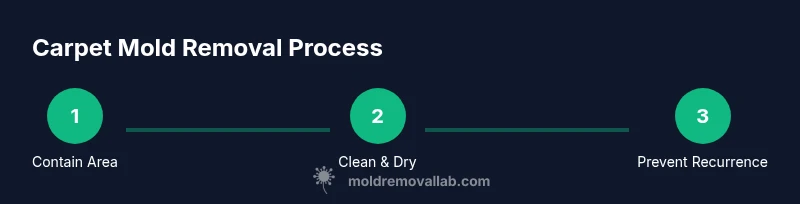
A practical process blends surface treatment with mechanical removal and rapid drying. Begin by isolating the area, applying a gentle cleaning solution, and scrubbing mold patches with a soft-bristle brush. Rinse and blot, then apply a disinfectant or hydrogen peroxide to suspect zones. Extract as much moisture as possible using a wet-dry vacuum or extractor, and finally dry the carpet with air movers and a dehumidifier. Moisture control is critical to prevent regrowth. This overview aligns with the Mold Removal Lab methodology for removing mold from carpet.
Padding and underlayment: to replace or not
Padding and underlayment that have become wet or water-damaged typically require replacement, since they are difficult to dry completely and can harbor mold spores. If the padding remains damp after cleaning, consider removing and replacing the affected sections. For minor moisture, you may attempt to dry and sanitize the padding, but you should reassess after 24–48 hours. Any persistent odor or visible staining after cleaning is a red flag that padding replacement is warranted.
Thorough drying: airflow and time matters
Rapid drying is essential to stopping mold growth. Use multiple fans to create cross-ventilation, dehumidifiers to lower ambient humidity, and keep the area sealed to prevent new moisture from entering. In humid climates, drying can take 24–48 hours or longer depending on material thickness and airflow. The goal is to keep relative humidity below 50% and ensure the carpet surface stays dry to the touch. If you cannot achieve drying within 24 hours, consider professional assistance.
Post-cleanup checks: odor, moisture, and cosmetic state
After cleaning and drying, perform a final inspection for residual odor, dampness, and visible staining. Use a flashlight to examine carpet fibers for any leftover growth or discoloration. If a musty odor lingers or moisture returns, re-evaluate moisture sources and consider re-drying or padding replacement. A shallow odor-free surface does not guarantee complete remediation; systematic checks over several days help confirm success. Mold Removal Lab continues to emphasize that verification steps are essential.
Prevention: long-term strategies for carpets
To reduce recurrence, manage indoor humidity with dehumidification, improve ventilation, and address leaks promptly. Regular carpet cleaning with a mild detergent, prompt drying after spills, and periodic inspections around windows and plumbing help prevent mold. Maintain a clean underlayment and consider a protective barrier if your environment is prone to dampness. The key is consistency: consistent monitoring, timely drying, and proactive maintenance support a healthier home.
Replacement considerations: when to change carpet or padding
Carpet and padding may need replacement when mold penetrates deeply or when persistent dampness recurs despite cleaning. If you observe recurring mold growth after remediation or if padding remains swollen or discolored, replacement is often the most reliable solution. Replacing padding and stretching the carpet considerately ensures a clean, mold-resistant setup. This approach reduces the likelihood of regrowth and helps restore indoor air quality.
Common mistakes to avoid
Avoid rushing the drying phase, mixing cleaners without guidance, and assuming surface cleaning is enough for deeply embedded mold. Never use bleach as a sole treatment on porous materials like carpet backing or padding. Don’t ignore lingering odors or moisture after cleaning. Taking a patient, thorough approach reduces the chance of relapse and supports a healthier living environment.
Final note and the Mold Removal Lab approach
Removing mold from carpet requires careful assessment, protective equipment, appropriate cleaners, and rapid drying. The Mold Removal Lab team stresses that safety and moisture control are the foundations of any successful remediation. Adhering to a structured process minimizes health risks and improves long-term outcomes. By following the steps outlined here, homeowners and renters can achieve a cleaner, safer home.
Tools & Materials
- Protective gear (N95 mask, gloves, goggles)(Ensure proper fit; consider disposable gear for contaminated work)
- Plastic sheeting or drop cloths(To isolate area and protect surrounding surfaces)
- Detergent (mild dish soap)(Fragrance-free preferred; use sparingly)
- White vinegar(Undiluted for spot cleaning; test on inconspicuous area)
- Hydrogen peroxide 3%(Optional disinfectant for mold-prone zones)
- Isopropyl alcohol or EPA-registered disinfectant(For sanitizing after cleaning)
- Soft-bristle brush or sponge(For gentle scrubbing without damaging fibers)
- Spray bottle and clean water(For rinsing and dilution as needed)
- Wet-dry vacuum or carpet extractor(Helpful for moisture removal)
- Dehumidifier and/or high-velocity fans(To accelerate drying and prevent regrowth)
- Trash bags and disposal container(For contaminated padding or rug sections)
- Carpet cleaner or enzyme-based cleaner (optional)(Use if stains or odors persist)
Steps
Estimated time: 8-24 hours
- 1
Prepare protection and workspace
Put on PPE and clear the area. Lay down plastic sheeting to protect floors and reduce spore spread. If possible, move furniture out of the room to create a clean working area.
Tip: Test a small carpet patch with your cleaning solution before full application. - 2
Contain the cleaning area
Seal off the room with plastic to prevent cross-contamination to adjacent spaces. Close doors and seal vents as feasible to limit airflow carrying mold spores.
Tip: Use tape along the bottom of doors to reduce air leakage. - 3
Vacuum loose mold with a HEPA vacuum
Gently vacuum visible mold from carpet fibers using a HEPA-filtered vacuum. Do not agitate aggressively, which can release spores into the air.
Tip: Keep the vacuum nozzle close to the surface to maximize pickup while minimizing airborne particles. - 4
Apply a cleaning solution to moldy patches
Mist a mild detergent solution or white vinegar on the affected area. Let it sit for a few minutes to loosen stains before scrubbing.
Tip: Do not oversaturate; excess moisture promotes deeper mold growth. - 5
Scrub gently with a soft brush
Gently scrub in a circular motion to lift mold from fibers without damaging carpet weave. Rinse with clean water as you go.
Tip: Work from the outside edge toward the center to prevent spreading. - 6
Rinse and blot
Rinse the area with clean water and blot with towels or a microfiber cloth to remove excess moisture. Repeat as needed until the fabric feels nearly dry.
Tip: Avoid rubbing; blotting reduces fiber damage and moisture retention. - 7
Disinfect the treated area
Apply hydrogen peroxide or a compatible EPA-registered disinfectant to the cleaned patch. Allow contact time per label instructions before drying.
Tip: Never mix cleaners; follow product directions for contact time and safety. - 8
Extract moisture from padding and backing
If padding is exposed, use a wet-dry vacuum to remove moisture. Consider removing and replacing wet padding if structural dampness is evident.
Tip: Check padding after 24–48 hours; don't assume it's dry just because the surface looks dry. - 9
Dry the carpet thoroughly
Run dehumidifiers and high-velocity fans to accelerate drying. Aim to keep humidity below 50% and ensure the carpet surface is dry to the touch.
Tip: Place fans on multiple sides for faster air movement around the carpet. - 10
Reassess padding and subfloor
Re-check for moisture in padding and subfloor; address any damp areas immediately to prevent recurrence.
Tip: If you detect recurring dampness, consider professional moisture testing. - 11
Perform a post-cleanup inspection
Look for residual odors and any staining. If mold returns or odors persist, re-evaluate drying and consider padding replacement.
Tip: Use a flashlight to spot hidden mold behind seams and under edges. - 12
Document results and plan prevention
Record what worked, what failed, and the humidity targets achieved. Implement long-term controls such as dehumidification, ventilation, and prompt spill cleanup.
Tip: Create a simple monthly check schedule to catch humidity spikes early.
FAQ
Is it safe to remove mold from carpet myself?
Yes, for small, clearly contained areas with proper PPE and ventilation. If the mold covers a large area or you have health concerns, consult a professional.
Yes, DIY is possible for small patches with PPE and good ventilation, but larger growth or health concerns should be handled by a pro.
Can I use bleach on carpet mold?
Bleach is often not effective on porous carpet fibers and can discolor the material. Use milder cleaners first, and consider professional remediation for stubborn mold.
Bleach isn't great for porous carpet and can cause color loss. Try gentler cleaners first, and call a pro if mold persists.
How do I know if padding needs replacement?
If padding remains damp after cleaning or shows signs of mold, replace it. Wet padding can harbor spores and promote regrowth.
If padding stays damp after cleaning, replace it to prevent mold from returning.
How long does carpet mold remediation take?
Time varies by area affected and drying conditions. Plan for a full day or two, plus additional drying time if humidity is high.
Timing varies, but plan for a full day or two, plus extra drying time if the space stays humid.
When should I call a professional?
Call a professional if mold covers a large area, if you cannot access moisture sources, or if there’s persistent odor after cleaning.
Call a pro when mold is widespread, inaccessible, or odors persist after cleaning.
What long-term steps help prevent mold on carpet?
Maintain humidity below 50%, fix leaks promptly, improve ventilation, and dry spills quickly to prevent future mold.
Keep humidity down, fix leaks fast, ventilate, and dry spills right away to prevent mold.
Watch Video
The Essentials
- Wear proper PPE before starting
- Contain and dry quickly to prevent regrowth
- Assess padding and subfloor for moisture
- Use mild cleaners; avoid mixing chemicals
- Verify mold removal with follow-up checks