Carpet and Mold: A Practical Home Guide
A practical, homeowner-friendly guide from Mold Removal Lab on how carpet and mold interact, how to safely clean, and how to prevent future growth with simple steps, tools, and expert tips.


By following a practical approach, you can identify, clean, and prevent carpet mold in your home. The key is to control moisture at the source, then apply safe cleaning methods appropriate for carpet fibers and padding. This guide provides a clear, action-oriented path with step-by-step actions, product guidance, and prevention tips tailored for homeowners and renters.
Understanding the Carpet-Mold Connection
Carpet and mold are closely linked because carpets live in damp, dark environments where fungal growth thrives. Even when surface moisture isn’t obvious, moisture can wick into the carpet backing, pad, and subfloor, creating a reservoir that supports mold colonies. The Mold Removal Lab team emphasizes that moisture control is the first, most important step in any remediation plan. By recognizing where moisture hides—under tack strips, inside padding, and within the carpet backing—you can target the sources rather than merely treating symptoms. This section sets the stage for practical actions: identify leaks or high humidity, dry promptly, and choose cleaning methods appropriate for carpet materials without damaging backing or padding. The goal is to break the moisture cycle to prevent reestablishment of mold growth and protect indoor air quality for your family.
Signs Carpet Mold Is Growing
Detecting carpet mold early saves time, effort, and money. Look for visible dark or fuzzy patches, staining, and a musty odor that lingers after cleaning. Moisture behind walls or under the carpet can show up as buckling, wrinkling, or damp patches you can’t see on the surface. Health symptoms such as sneezing, coughing, or throat irritation when near the carpet may indicate mold exposure. Remember that mold can hide in padding and subflooring; a clean surface does not guarantee the problem is gone. If you spot any of these signs, start with moisture control and a careful assessment before heavy cleaning or removal.
Immediate Actions If You Suspect Carpet Mold
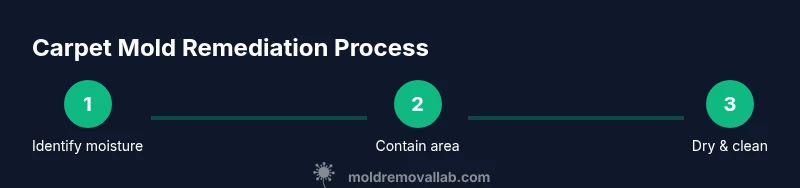
Time matters when mold or water damage is suspected. Start by containing the area to prevent spores from spreading: close doors, reseal with plastic sheeting, and avoid disturbing the mold to limit airflow. Put on PPE—N95 respirator or higher, gloves, and goggles—before handling contaminated materials. Ventilate the space with temporary airflow (not a fan blowing directly on mold) and begin drying the area using dehumidifiers and fans directed at the source. Do not soak the area with bleach or ammonia; follow product directions and never mix chemicals. If the carpet or padding remains damp after 24–48 hours, plan for removal or professional assessment to stop ongoing growth.
Cleaning Methods for Carpet Mold
Carpet mold cleaning should be methodical and fiber-safe. Start with a sealed HEPA vacuum to remove loose spores from surfaces, then treat affected areas with enzyme cleaners designed for organic soils. For hardier mold spots, a 3% hydrogen peroxide solution can be applied to non-porous backing and baseboards, tested first on an inconspicuous area. Light cleaning agents, such as mild detergent, can help lift residue without damaging dyes. Steam cleaning is effective for some carpets, but test a small area first to avoid color bleeding. In all cases, ensure thorough drying and monitor moisture to prevent regrowth. If padding is compromised or odor persists after cleaning, consider replacing the affected section.
When to Replace Carpet vs Clean
Not all mold can be safely removed from carpet, especially when the padding is saturated or the backing shows deterioration. If mold has penetrated padding or the carpet sustains persistent odor after multiple cleanings, replacement may be the more cost-effective and healthier option. Price and time considerations matter: compare the cost of professional remediation against carpet replacement, the room’s exposure to moisture, and the likelihood of future leaks. If you’re unsure, obtain a professional assessment to determine whether salvage or replacement is the best path for long-term health and home value.
Prevention Strategies for Carpet Mold
Prevention is simpler than repeated remediation. Manage moisture by fixing leaks promptly, using dehumidifiers in damp areas, and improving ventilation in high-humidity spaces like kitchens and bathrooms. Regularly inspect carpets near entrances, windows, and HVAC returns for dampness or staining. Maintain indoor humidity levels to discourage mold growth and consider using moisture barriers under carpets in basements or crawl spaces. Clean spills promptly with absorbent towels and ensure drying is complete before replacing furniture. Consistent maintenance, including routine carpet cleaning and pad inspection, dramatically reduces mold risk over time.
Testing for Hidden Mold and When to Call a Pro
Visible mold is just the tip of the iceberg. If you suspect hidden growth, consider moisture meters to quantify dampness in carpet, padding, and subflooring. For persistent odors, water stains, or if you’re dealing with a flood, a professional mold inspection can confirm hidden colonies and advise on remediation. Mold Removal Lab recommends professional assessment for large areas, complex installations, or when occupants have severe allergies or respiratory issues. Early testing helps protect health and prevent costly damage to structural materials.
""
Tools & Materials
- HEPA vacuum cleaner( sealed bag; avoid scattering spores)
- Nitrile gloves(offers chemical resistance)
- N95 respirator or P100 mask(protects lungs from spores)
- Safety goggles(keep eyes safe from splashes)
- Plastic sheeting or tarps(contain work area)
- Enzyme cleaner(for organic soils on fibers)
- Hydrogen peroxide 3%(tested on fabric; avoid dye bleed)
- Mild detergent(gentle cleaning on backing)
- Measuring cups/spray bottles(apply solutions evenly)
- White vinegar (optional)(mold odor control alternative)
- Baking soda (optional)(absorb moisture and odor)
- Plastic bags for disposal(seal contaminated materials)
- Dehumidifier (optional)(accelerates drying)
- Moisture meter (optional)(quantify dampness)
Steps
Estimated time: 24–72 hours for drying and final checks, depending on moisture and room size
- 1
Identify moisture source and isolate area
Locate the water or moisture source feeding the mold. Close off the room and seal it with plastic sheeting to prevent spores from migrating to other areas. Document the area before you begin to maintain insurance records.
Tip: Contain the space early; a small barrier saves a lot of cleanup later. - 2
Put on PPE and prepare your workspace
Don the N95 mask, goggles, and gloves before touching contaminated materials. Lay out cleanup supplies within reach and ensure air flow is directed away from uninfected rooms. PPE reduces exposure risk during removal.
Tip: Check mask fit; a proper seal improves protection. - 3
Ventilate safely and begin drying
Open windows if feasible and run a dehumidifier to lower ambient moisture. Avoid using strong fans that push air through moldy areas, which can spread spores. Monitor moisture levels to determine when the area is dry.
Tip: Target a dry and cool environment to slow mold growth. - 4
Decide on salvage vs replace for carpet and padding
If padding is wet or mold penetrates deeply, removal of affected sections may be necessary. Cut carpet only if you can seal and transport the pieces without spreading contamination. Bag materials securely for disposal.
Tip: Document cuts and disposal for future reference. - 5
Clean hard surfaces and salvageable components
Wipe hard surfaces with a mild detergent solution, then treat with enzymatic cleaner to break down organic residues. For non-porous backing, apply hydrogen peroxide and wipe clean. Avoid dye bleed by testing on a hidden area first.
Tip: Test a small patch before full application. - 6
Dry thoroughly and verify dryness
Use a moisture meter if available, aiming for stable readings over 24–48 hours. Keep dehumidification running until surfaces stay dry. Incomplete drying invites regrowth.
Tip: Patience pays off; rushing drying reintroduces risk. - 7
Decide on remediation vs replacement with a pro
If mold returns after cleaning or the area remains damp, consult a professional for remediation or carpet replacement. A pro can assess underlying subfloor damage and sanitation needs beyond DIY capabilities.
Tip: When in doubt, get a professional assessment to protect health. - 8
Document results and establish a prevention plan
Record moisture readings, cleaning methods, and replacements. Create a maintenance plan: monitor humidity, fix leaks quickly, and schedule periodic inspections to prevent recurrence.
Tip: A written plan helps homeowners stay proactive.
FAQ
Is carpet mold dangerous to health?
Mold can trigger allergies, asthma flare-ups, and respiratory irritation for some people. The risk is higher with prolonged exposure and when mold is concealed in padding or subfloors. Protect occupants by reducing moisture and cleaning contaminated areas carefully.
Mold can affect breathing and trigger allergies or asthma in some people. Reducing moisture and cleaning thoroughly helps protect health.
Can I clean carpet mold myself or should I hire a pro?
Small, contained mold patches on accessible carpet may be cleaned by a careful homeowner using approved cleaners and proper drying. Large areas, wet padding, or repeated mold growth should be handled by a professional remediation service to ensure safety and prevent recontamination.
You can handle small patches yourself, but for large areas or ongoing moisture, a pro is recommended.
What cleaning agents are safe for carpet mold?
Enzyme cleaners, mild detergents, and hydrogen peroxide are commonly used for carpet mold. Avoid bleach on colored carpets and always test a hidden area first to prevent damage or color loss.
Enzymes and mild cleaners work well for carpet mold; test first and avoid bleach on colors.
How long does it take for carpet to dry after cleaning?
Drying times vary with room size and ventilation, but expect 24–72 hours for thorough drying with dehumidification. Ensure padding and backing are completely dry before reoccupying the space to prevent regrowth.
Drying can take a day or two, depending on humidity and airflow.
When should I replace carpet rather than clean it?
If padding is damp, mold returns after cleaning, or there’s persistent odor, replacement is often more effective and safer long-term. A professional assessment can help determine the best course.
If mold keeps coming back or padding is damp, replacement is usually best.
Watch Video
The Essentials
- Control moisture to prevent mold regrowth.
- Assess carpet damage before deciding to clean or replace.
- Use fiber-safe cleaners and dry thoroughly.
- Ventilate and monitor humidity to minimize recurrence.
- Consult a pro for large areas or persistent issues.