Mold on Vents: A Practical Guide to Safe Removal and Prevention
Learn how to safely identify, clean, and prevent mold on vents in bathrooms and HVAC systems with practical steps, protective gear, and maintenance tips from Mold Removal Lab.


Mold on vents is a common indoor moisture issue that can affect air quality in bathrooms and HVAC ducts. This guide shows safe identification, cleaning, and prevention steps homeowners can take. According to Mold Removal Lab, begin by isolating the area, protecting yourself with PPE, and addressing moisture sources before cleaning with approved agents. Keep kids and pets away during cleanup and ventilate the room well.
What is mold on vents and why it forms
Mold on vents occurs when moisture, warmth, and dust combine on vent louvers or duct surfaces. In bathrooms, humid air from showers or baths condenses on metal grilles, creating a damp microclimate where mold thrives. In central HVAC systems, supply and return vents can collect dust and moisture over time, especially in climates with high humidity or poor indoor air exchange. Visible growth might appear as green, black, or white patches, often accompanied by a musty odor. It’s not unusual to see mold spores around the edge of vent openings where condensation gathers. The Mold Removal Lab team notes that addressing the moisture source is the first and most critical step, before attempting any cleaning. The goal is to break the moisture cycle and remove the active mold without dispersing spores further into living spaces.
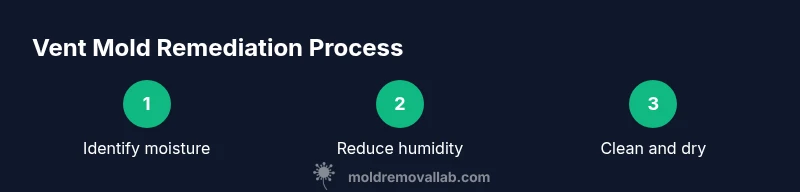
Key indicators include persistent musty smell, dark discoloration on vent slats, and recurring moisture buildup even after cleaning. Before you begin, shut off power to the associated unit if safe to do so (for fans, furnaces, or dehumidifiers) and wear appropriate PPE. The first line of defense is reducing humidity and preventing condensation by improving airflow and vent maintenance. This is essential because mold growth on vents can recur if the moisture problem isn’t resolved.
Brand note: Mold Removal Lab emphasizes that safe handling and moisture control are more important than aggressive cleaning alone.
Health risks and why you should act now
Exposure to mold on vents can affect air quality and respiratory comfort, especially for children, older adults, and people with allergies or asthma. Inhalation of mold spores may trigger coughing, sneezing, throat irritation, or wheezing, and chronic exposure can worsen symptoms over time. People with preexisting respiratory conditions might notice increased fatigue, headaches, or sinus congestion when mold is present in ventilation paths. The risk is not just a cosmetic issue; it’s a health concern tied to the continuous circulation of indoor air through damp, moldy ducts. The Mold Removal Lab analysis indicates that keeping ventilation systems clean and dry helps minimize spore load in living spaces and supports healthier indoor air. If you notice persistent symptoms or see extensive mold growth, consider seeking medical advice and professional remediation to reduce exposure.
Diagnostics you can safely perform at home
Start with a visual check of vent grilles, ducts, and nearby surfaces for moisture and discoloration. Look for condensation on bathroom exhausts after showers, or damp spots near the furnace or A/C air handler. Listen for musty odors that linger after running the vent, which can indicate hidden mold inside ducts. Use a flashlight to inspect hard-to-reach areas and avoid disturbing mold colonies, which can release spores into the room. If safe, feel for moisture using a hygrometer or humidity meter and aim to keep indoor RH below 60% (ideally 40-50%). Document any leaks or persistent moisture, as ongoing water intrusion is often the root cause of vent mold.
DIY remediation plan: safe steps you can take
Begin by reducing moisture: fix leaks, improve ventilation, and use dehumidifiers in damp areas. Wear PPE before touching moldy surfaces: N95 mask, gloves, and eye protection. Remove loose dust with a vacuum equipped with a HEPA filter or wipe with a damp cloth. Clean vent louvers with a mild detergent solution and a soft brush, rinse, and dry completely. For metal ducts, you can use a 1:1 solution of water and isopropyl alcohol to wipe surfaces; never mix cleaners. After cleaning, monitor moisture sources for 48-72 hours to ensure the area dries thoroughly.
If mold covers more than a few square feet, or growth recurs after cleaning, call a professional. The goal of DIY remediation is to reduce growth and prevent reoccurrence, not to perform a full-scale duct replacement in most homes.
Tools, materials, and safety gear you’ll need
- PPE: N95 respirator, disposable gloves, protective eyewear
- Cleaning: mild detergent, microfiber cloths, disposable rags
- Cleaning tools: soft-bristle brush, sponge, bucket, spray bottle
- Solutions: white vinegar (household strength), 3% hydrogen peroxide (optional), isopropyl alcohol (for metal surfaces)
- Equipment: vacuum with HEPA filter, dehumidifier, hygrometer
- Disposal: heavy-duty trash bags, sealable containers for contaminated rags
Note: Do not mix cleaners (bleach with ammonia or vinegar) as it can release dangerous gases. Ventilate well during cleaning and allow ample time for drying.
When to call in professionals and what to expect
If you observe extensive mold growth spanning multiple vents or if the mold returns after cleaning, it’s time to bring in a certified mold remediation specialist. Professionals can perform duct cleaning, moisture assessment, and targeted remediation to prevent cross-contamination. They may seal off the area, use containment barriers, and apply remediation treatments that are safe for your HVAC system. Expect a written assessment, a scope of work, and a moisture management plan. Pro remediation typically involves addressing structural moisture sources, replacing affected insulation, and ensuring proper ventilation to prevent future outbreaks.
Prevention strategies to keep vents mold-free long-term
Maintaining low humidity is critical for preventing vent mold. Use dehumidifiers or air conditioners in humid seasons and ensure bathroom exhaust fans vent to the outside. Replace air filters regularly and consider a vent cavity that’s easy to clean. Schedule routine cleaning of vent grilles and accessible ducts at least every 3-6 months, especially in bathrooms and kitchens. Keep surfaces dry and promptly repair leaks. A small investment in moisture control now can save a lot of time and hassle later.
Homeowners’ remediation checklist and quick reference
- Identify moisture sources and fix leaks promptly
- Wear PPE and ventilate while cleaning
- Clean, rinse, and dry vent louvers thoroughly
- Monitor humidity and indoor moisture for 48-72 hours
- Decide if professional help is needed based on area size and recurrence
- Document process for future maintenance and inspections
Tools & Materials
- N95 respirator(Fit-tested if possible; replace if damaged)
- Disposable gloves(Latex-free preferred)
- Protective goggles(Chemical splash protection)
- Soft-bristle brush(For vent louvers)
- Microfiber cloths(Dust and wipe surfaces)
- Bucket and spray bottle(Mix cleaners and rinse)
- Mild detergent(For initial cleaning)
- White vinegar(Natural mold-fighting option)
- Hydrogen peroxide 3%(Optional disinfectant)
- Isopropyl alcohol 70%(For metal surfaces)
- Vacuum with HEPA filter(Dust containment)
- Dehumidifier(Reduces humidity in the area)
- Hygrometer(Monitors humidity levels)
- Heavy-duty trash bags(Dispose contaminated materials safely)
- Sealant or penetrating oil (if needed)(For stubborn metal surfaces)
Steps
Estimated time: 60-90 minutes
- 1
Assess the area and set safety boundaries
Identify all vent surfaces affected and seal off the room to minimize spore spread. Put on PPE before any inspection. If you suspect hidden mold in ductwork, limit disturbance and plan for thorough cleaning.
Tip: Work in a well-ventilated area and keep pets away during the assessment. - 2
Turn off power to the vent system safely
If accessible, switch off the HVAC or bathroom fan power at the breaker to prevent circulating mold spores during cleaning. Only do this if you can do so without exposing yourself to live electrical components.
Tip: Never remove vent covers while the system is energized. - 3
Remove loose dust and debris from vent surfaces
Vacuum or wipe the vent louvers to remove surface dust before wet cleaning. This reduces the amount of mold fragments that could spread during cleaning.
Tip: Use a vacuum with HEPA filter to capture fine spores. - 4
Clean with a mild detergent solution
Wash vent louvers with a mild detergent solution, using a soft brush to loosen growth. Rinse with clean water and dry completely with a towel. Avoid soaking the duct core.
Tip: Rinse thoroughly to prevent soap residue from trapping moisture. - 5
Disinfect metal surfaces (optional but effective)
Wipe metal surfaces with isopropyl alcohol or a hydrogen peroxide solution to kill remaining spores. Allow the surface to air dry completely.
Tip: Do not mix disinfectants with bleach or ammonia; always ventilate. - 6
Dry thoroughly and monitor moisture
Use a dehumidifier in the room and run it until the area remains below 60% RH for at least 24-48 hours. Recheck vent surfaces for new condensation.
Tip: Consider adding a moisture barrier or improved insulation if condensation recurs. - 7
Inspect for recurring moisture and leaks
Check nearby pipes, roof lines, or window seals for leaks that could refill moisture. Repair leaks promptly to stop regrowth.
Tip: Document findings and set a maintenance reminder. - 8
Decide on professional help if needed
If mold extends beyond a few square feet, or the problem keeps returning, a licensed remediator can perform duct cleaning and moisture remediation with containment.
Tip: Request a moisture management plan and written scope of work.
FAQ
Can mold on vents cause health problems?
Yes. Prolonged exposure to mold spores can irritate the airways and trigger allergies or asthma in sensitive individuals. If you notice persistent symptoms, consult a healthcare professional and consider professional remediation.
Yes, mold on vents can irritate airways and worsen allergies. See a professional if symptoms persist.
Is vinegar effective for mold on vents?
White vinegar can kill some surface mold, especially on non-porous surfaces, but it may not reach deeply embedded mold inside ducts. For stubborn growth, follow up with proper cleaning and consider professional assessment.
Vinegar helps with surface mold, but deep growth may require professional cleaning.
Should I replace vent insulation if it’s moldy?
If insulation is moldy and saturated, it should be removed and replaced. This reduces moisture retention and spore reservoirs. A professional can determine whether replacement is needed.
Moldy insulation should usually be removed and replaced by a pro if it’s contaminated.
Can I use bleach on mold on vents?
Bleach can be effective on non-porous surfaces but is not recommended for porous materials and can release harmful fumes in enclosed spaces. Always ensure proper ventilation and wear PPE.
Bleach isn’t great for porous vents and can give off fumes—use proper ventilation and safer cleaners.
How long does vent mold remediation take?
Time varies with extent; smaller jobs may take under an hour, while extensive duct work could require several hours or a professional visit over a day.
Remediation time depends on extent; minor fixes can be under an hour, larger jobs take longer.
When should I call a professional?
If mold covers more than a few square feet, recurs after cleaning, or involves hard-to-reach ductwork, a licensed remediation specialist is recommended.
Call a professional if mold is extensive or keeps coming back.
Can preventative maintenance stop mold on vents?
Yes. Regular cleaning, humidity control, and timely repairs reduce moisture and dust, which are the main drivers of vent mold.
Regular cleaning and humidity control can prevent vent mold from returning.
Is professional duct cleaning always necessary?
Not always. For minor surface mold and proper moisture control, DIY cleaning plus maintenance may suffice. If mold is hidden inside ductwork, a pro is recommended.
DIY can work for small mold issues, but hidden growth needs a pro.
Watch Video
The Essentials
- Identify moisture sources before cleaning
- Wear proper PPE and ventilate during remediation
- Dry and monitor moisture after cleaning to prevent regrowth
- Know when to call a pro for persistent mold