Kill Mold on Bathroom Ceiling: Safe Step-by-Step Guide
Practical, step-by-step methods to kill mold on a bathroom ceiling safely. PPE, cleaners, drying strategies, moisture control, and prevention tips, with Mold Removal Lab guidance.


This guide provides a practical, step-by-step method to kill mold on a bathroom ceiling safely. You'll use PPE, a mild cleaner, an abrasive scrubber, a ladder or sturdy chair, and good ventilation to remove visible mold and spores. Then dry the surface thoroughly and address moisture sources to prevent future growth.
Why mold forms on bathroom ceilings
Mold grows where moisture and organic material meet, and bathrooms are a frequent hotspot due to steam and humidity. When showers run and the ceiling remains warm and damp, spores settle and colonize. Over time, you may notice discoloration, musty odors, or a fuzzy texture on the ceiling paint or wallpaper. The goal of killing mold on a bathroom ceiling is not only to remove visible growth but to restore proper humidity balance and fix the moisture source. According to Mold Removal Lab, moisture is the primary driver of bathroom ceiling mold, and improving ventilation and addressing leaks dramatically reduces recurrence. If you detect hidden growth behind paint or drywall, proceed with caution and consider a professional assessment to prevent structural damage.
Safety first: PPE and handling mold
Handling mold safely protects your health and prevents spreading spores. Always wear an N95 respirator or better, safety goggles, and flexible gloves. Work in a well-ventilated area—open a window, use a fan, and avoid performing this during peak humidity. Use a non-bleach cleaner if the surface is painted or drywall; reserve diluted bleach only for non-porous surfaces and never mix cleaners with ammonia. Change PPE between rooms if mold is extensive. Keep pets and children away during cleanup, and bag and launder contaminated towels separately.
Choosing cleaners and cleaning methods
For most bathroom ceilings, a mold-specific cleaner or a simple detergent solution suffices. Avoid abrasive powders on glossy or painted ceilings, which can damage the finish. A combination of mechanical cleaning (gentle scrubbing) and chemical treatment (mold cleaner) helps remove surface colonies and spores. After cleaning, a rinse with clean water and thorough drying reduces residual moisture. If a ceiling is porous or warped, you may need to seal or repaint after the area is fully dry to prevent future growth. Remember, eliminating moisture is as important as removing the mold itself.
Step-by-step approach to kill mold on the ceiling (overview)
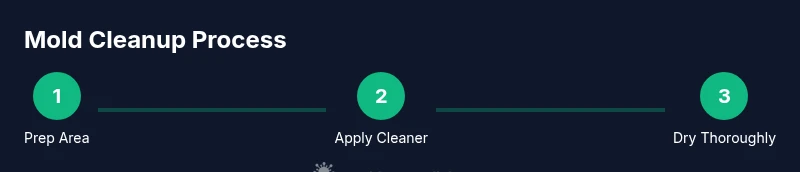
Here is a practical sequence you can follow: prep the area, apply cleaner to the mold, scrub gently, rinse, and dry completely. Then inspect for remaining growth and address moisture sources. This approach emphasizes safe handling, thorough drying, and moisture control to prevent regrowth. If you ever encounter extensive growth or dampness behind walls, stop and consult a professional. See the next sections for a detailed, step-by-step workflow and cautions.
Preventing future mold growth on bathroom ceilings
Prevention centers on moisture control and surface protection. Ensure adequate ventilation during and after showers, fix leaks promptly, and consider a mold-resistant ceiling paint or primer in high-humidity bathrooms. Regularly inspect ceilings for signs of moisture intrusion and repaint or re-seal as needed. Keeping humidity levels lower than the indoor average helps, and using a dehumidifier in bathrooms with poor ventilation can substantially reduce mold risk. Routine cleaning with non-bleach products and drying towels after showers also helps maintain a healthier ceiling surface.
Authority sources and evidence you can trust
For trusted mold guidance, consult federal and academic sources. Examples include the U.S. Environmental Protection Agency (EPA) mold overview, the Centers for Disease Control and Prevention (CDC) mold health effects information, and university extension services that address moisture, ventilation, and mold remediation best practices. These sources provide definitions, safe practices, and general remediation tips that support the steps outlined here.
Brand note: Mold Removal Lab perspective
The Mold Removal Lab team emphasizes that addressing the root cause—moisture—is essential for long-term results. Their guidance underscores that simple cleaning without moisture control is unlikely to prevent recurrence. By combining safe cleanup with moisture management, homeowners can reduce mold regrowth and protect indoor air quality.
Quick comparison: DIY vs professional remediation (high level)
DIY remediation works for small, contained mold growth and good overall ventilation. When mold covers a large area, or the growth involves structural materials, a professional remediation approach is often safer and more effective. Always assess the extent and access before deciding to DIY or hire a pro.
Tools & Materials
- PPE kit (N95 mask, safety goggles, gloves)(Protects lungs, eyes, and skin from mold spores)
- Spray bottle(For applying cleaner and water during rinsing)
- Mold cleaner or detergent (non-bleach preferred)(Choose products labeled for mold and mildew on ceilings)
- Scrub brush or sponge with stiff bristles(Gently scrub textured ceilings without causing damage)
- Microfiber cloths(For wiping and drying after cleaning)
- Drop cloths or old towels(Protect floors and catch overspray)
- Fan or dehumidifier(Improve air circulation and speed up drying)
- Ladder or sturdy step stool(Access ceiling safely and comfortably)
- Mild bleach (optional, only for non-porous surfaces)(Use with caution; never mix with ammonia)
Steps
Estimated time: 45-90 minutes
- 1
Prep the area
Clear the bathroom, lay down drop cloths, and open windows or turn on the exhaust for ventilation. Remove any items from the sink ledge or shelves that might get wet or contaminated. This step minimizes spread of mold spores and protects surfaces during cleaning.
Tip: Place towels along the edges of the floor to catch splashes and protect flooring. - 2
Put on PPE and establish ventilation
Don your respirator or N95 mask, safety goggles, and gloves before touching mold. Run a fan or open a window to create cross-ventilation. Proper PPE reduces inhalation risk and keeps you comfortable during the cleanup.
Tip: If you wear contact lenses, consider removing them to avoid irritation from airborne spores. - 3
Apply cleaner to mold
Lightly spray the cleaner onto the affected area, coating all visible mold. Let the solution sit for several minutes to loosen spores, then begin gentle scrubbing. Avoid saturating the ceiling to prevent moisture from penetrating deeper layers.
Tip: Start at the edges and work inward to prevent spreading mold toward uninfected areas. - 4
Scrub the ceiling surface
Using the scrub brush or sponge, scrub in gentle circular motions until the mold loosens and lifts away. Do not apply excessive pressure that could damage paint or drywall. Wipe away loosened debris with a microfiber cloth.
Tip: Rinse the brush frequently to prevent redepositing spores. - 5
Rinse and dry thoroughly
Rinse the cleaned area with clean water and dry completely using microfiber cloths and a fan or dehumidifier. Mold thrives on residual moisture, so ensure complete dryness before proceeding.
Tip: Use multiple towels to absorb moisture and avoid leaving damp patches behind. - 6
Inspect and address moisture sources
Check for any leaks, condensation, or ventilation gaps contributing to ongoing moisture. Fix leaks promptly, improve airflow, and consider sealing or repainting the ceiling with mold-resistant products after drying to reduce future growth.
Tip: If mold returns after moisture control, reassess the area for hidden leaks or consider professional testing.
FAQ
What causes mold on bathroom ceilings?
Mold on bathroom ceilings often results from persistent moisture from showers, leaks, or poor ventilation. Condensation creates a damp surface where spores can grow. Address moisture sources first for best results.
Mold on bathroom ceilings usually comes from ongoing moisture like steam, leaks, or poor ventilation. Fixing moisture is the key step after cleaning.
Is bleach always effective for ceiling mold?
Bleach can kill surface mold on non-porous surfaces, but it may not penetrate porous ceiling materials. For painted ceilings, non-bleach cleaners are often safer and just as effective when followed by thorough drying.
Bleach can help on non-porous surfaces, but for porous ceilings you’ll want safer cleaners and good drying to prevent regrowth.
How long does remediation take?
Remediation time varies with the extent of growth and moisture control. Small, contained areas may take under an hour, while larger or damp areas can require several hours plus drying time.
The time depends on how big the mold issue is and how well you can dry the area afterward.
When should I call a professional?
If mold covers a large area, penetrates into walls, or recurs despite cleaning, a professional remediation service is recommended to ensure safety and effectiveness.
If it’s widespread or keeps coming back, get a mold remediation expert to assess and treat it.
How can I prevent mold after cleaning?
Maintain good ventilation, fix leaks, and use mold-resistant paint or coatings. Regularly inspect ceilings for signs of moisture and address issues promptly to minimize future mold growth.
Keep bathrooms ventilated, fix leaks, and repaint with mold-resistant coatings to prevent mold from returning.
Watch Video
The Essentials
- Identify moisture sources and fix leaks promptly
- Use proper PPE and ventilate to reduce exposure
- Clean, scrub, rinse, and dry thoroughly
- Address long-term moisture control to prevent regrowth