How to Remove Mold from Bathroom Ceiling: Step-by-Step Guide
Learn a step-by-step method to safely remove mold from bathroom ceilings, prevent recurrence, and protect your home’s health with practical, proven techniques.


You can remove mold from a bathroom ceiling by safely cleaning with proven cleaners and addressing moisture sources. Start with proper PPE, containment, and ventilation, then treat the surface with a mold-killing cleaner suitable for painted ceilings. Finally, fix the moisture problem and repaint if needed to prevent recurrence.
Understanding Bathroom Ceiling Mold
Mold growth on bathroom ceilings is usually a sign of persistent moisture. Condensation from showers, leaks in plumbing, or inadequate ventilation can create a damp environment where mold spores thrive. It commonly appears as black, green, or brown spots and can spread behind paint or plaster over time. According to Mold Removal Lab, bathroom mold often stems from hidden moisture sources such as leaks or poor ventilation, making moisture control the most important part of remediation. This section explains why ceilings are particularly vulnerable: warm, humid air rises and condenses near the ceiling, especially in bathrooms without active exhaust or adequate airflow. Recognize the health implications: mold spores can irritate eyes, skin, and lungs, particularly for allergy or asthma sufferers. A careful plan combines cleaning with moisture management to prevent regrowth and protect indoor air quality.
Effective removal starts with stopping the source of moisture and preparing the area for safe cleaning. If you notice ongoing drips or high humidity despite running an exhaust fan, address the plumbing or ventilation first. For most DIY projects, small patches on painted ceilings are manageable, while porous substrates or larger areas may require professional remediation. The goal is to remove visible mold and establish conditions that deter future growth, not just mask the problem.
Safety First: PPE and Containment
Personal protective equipment (PPE) is non-negotiable when removing mold from a bathroom ceiling. Wear an N95 respirator (fit-tested for a tight seal), protective goggles, and disposable gloves to prevent inhalation or skin exposure to mold spores. Eye protection is essential due to potential splashes from cleaners. Before you start, seal off the bathroom from adjoining spaces with plastic sheeting and painter's tape to minimize the spread of spores. Turn off the exhaust fan and ventilate the area to balance humidity while avoiding spreading spores through the rest of the home. Keep kids and pets out of the work zone. Containment helps ensure you can clean effectively without contaminating other rooms.
Safety mindset is as important as technique. If you have a known allergy or asthma, consider having a second person assist or postpone work until humidity is reduced to safer levels. These precautions protect you and family members while you complete the remediation.
Assessing Damage and Ceiling Type
Ceiling material and the extent of mold growth guide your remediation plan. Painted drywall ceilings are easier to treat with mild cleaners, while plaster, wood, or acoustic ceilings may absorb mold more readily and require gentler treatment or replacement. First, visually inspect for water damage, peeling paint, or discolored spots that indicate leaks. Check for damp patches or musty odors that suggest hidden moisture behind the surface. Mold Removal Lab analysis shows that small, non-porous areas respond well to DIY remediation, while larger or porous materials may require professional replacement or structural assessment. If you suspect a hidden leak (e.g., a loose toilet supply line or roof leak), stop the source before cleaning. Document areas of concern for future reference, especially if you’re renting and need to report issues to your landlord.
Additionally, consider the ceiling’s age and condition. If the substrate is sagging or crumbling, removing the mold may not be enough; you may need to remove and replace the affected material. When in doubt, test a small, inconspicuous area first to gauge how the surface reacts to cleaners without causing damage.
Cleaning Solutions for Ceiling Mold
Selecting the right cleaner depends on your ceiling type and the extent of contamination. A mild detergent and warm water (a few drops of dish soap per gallon) is a safe starting point for painted ceilings. White vinegar (undiluted) or hydrogen peroxide (3% solution) can be effective for mold on non-porous surfaces; apply, let sit for 10–15 minutes, then wipe clean. For non-porous areas, household diluted bleach (1 cup of bleach per gallon of water) can kill mold on contact, but avoid using bleach on painted or delicate surfaces since it can discolor or damage finishes. If the ceiling is heavily textured or porous, cleaning may not remove all spores; in those cases, more extensive remediation or material replacement may be necessary. Always test a small area first and ventilate the room while cleaning to avoid inhaling fumes.
Note how you apply products: spray from the top down, keep the surface moist but not saturated, and avoid scrubbing aggressively on fragile finishes. For delicate ceilings, use a soft sponge and gentle pressure to minimize damage. When dealing with stubborn mold or odor, combine cleaning with moisture control measures to reduce return growth.
Step-by-Step Cleaning Process
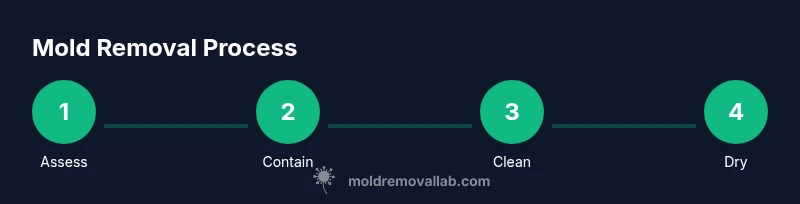
The following steps provide a practical, repeatable workflow for most painted bathroom ceilings. Start with preparation, then execute cleaning, drying, and verification. These steps focus on safety, effectiveness, and minimizing disruption to your daily routine.
- Gather supplies and put on PPE. Ensure you have an N95, gloves, goggles, and disposable towels. 2. Close the door, seal the area with plastic, and turn on a fan to vent air outside if possible. 3. Wipe moldy areas with a mild detergent solution to remove surface dirt. 4. Apply white vinegar or hydrogen peroxide to the moldy spots and let sit for 10–15 minutes. 5. If the surface is non-porous, wipe with a bleach solution and rinse. 6. Rinse the area with clean water and pat dry with towels; use a fan or dehumidifier to accelerate drying. 7. Inspect for any remaining staining or odor and repeat cleaning if necessary. 8. If repainting, ensure the ceiling is completely dry before applying primer and mold-resistant paint. 9. Reassess after 24–48 hours and monitor humidity levels to prevent recurrence.
Tip: Work in small, manageable patches to prevent large sections from staying wet. Tip: If you encounter peeling paint or exposed substrate, stop and consider professional evaluation to avoid further damage.
When to Repaint or Replace Ceiling Materials
After cleaning, decide whether repainting or replacing the ceiling is appropriate. If mold penetrated paint or stained the surface beyond exterior cleaning, repainting with a mold-resistant ceiling paint can improve appearance and reduce future growth. However, if the mold has penetrated the substrate (drywall, plaster, or wood) or if the surface remains damp, repainting may only be a temporary fix. In porous materials where mold has penetrated deeply, removing the damaged section and replacing it may be the most durable solution. For renters, document mold, cleaning efforts, and any replacements to share with your landlord and ensure compliance with housing codes. Repaired ventilation (exhaust fan) is essential to prevent mold from returning after repainting.
Addressing the Moisture Source: The Core Prevention Strategy
Mold prevention hinges on controlling moisture. After remediation, focus on reducing humidity in the bathroom. Use an exhaust fan during and after showers for at least 20 minutes, fix leaks promptly, and consider a dehumidifier if the space remains damp. Ensure the bathroom door or window allows for air exchange, or upgrade to a high-quality vent with appropriate CFM rating for the room size. Use moisture-barrier paints or primer in areas prone to humidity, and seal joints to reduce condensation buildup. Regularly inspect ceilings for early signs of moisture and mold re-growth, especially after seasons of heavy rainfall. By addressing the moisture source, you minimize the risk of regrowth and protect the integrity of your ceiling.
Maintenance matters: keep bathroom surfaces dry, promptly clean any new spots, and maintain good ventilation to ensure a healthier indoor environment for you and your family.
Common Mistakes and Red Flags to Watch For
Common mistakes include using aggressive scrubbers that damage ceiling finishes, overlooking hidden leaks, and skipping drying time after cleaning. Never ignore a persistent musty smell; it often signals lingering moisture behind the ceiling. Red flags include bubbling or peeling paint, staining that expands after cleaning, or mold returning within a few weeks. If you encounter extensive mold growth, signs of structural damage, or if you’re dealing with black mold (Stachybotrys) or mold covering a large area, seek professional remediation and mold testing. Finally, avoid mixing cleaners (like bleach and ammonia) as this can release dangerous gases. By following a careful, methodical approach, you reduce health risks and improve outcomes.
Safe Re-Entry and Monitoring Plan
After completing remediation, re-enter the space and monitor humidity and mold symptoms for several weeks. Use a hygrometer to keep bathroom humidity below 60% during high humidity periods. Regularly inspect for staining after showers, and address any moisture source immediately. Document improvements with photos to track progress, and set a reminder to perform seasonal checks on plumbing and ventilation. A proactive maintenance routine helps prevent mold from returning and keeps your bathroom ceiling in good condition.
Tools & Materials
- N95 respirator(Fit-tested for best protection)
- Protective goggles(Wraparound style preferred)
- Chemical-resistant gloves(Latex-free if sensitive skin)
- Plastic sheeting (6–8 ft wide)(Seal off area)
- Painter's tape(For securing plastic sheeting)
- Soft sponge or microfiber cloth(Gentle on painted ceilings)
- Bucket with warm water(For detergent solution)
- Mild dish soap(For initial cleaning)
- White vinegar (untreated)(Effective mold fighter on non-porous surfaces)
- Hydrogen peroxide 3%(Alternative mold treatment)
- Bleach (sodium hypochlorite)(1 cup per gallon water; use only on non-porous surfaces)
- Spray bottle(For vinegar/bleach solutions)
- Drying towels or rags(Dry surface after cleaning)
- Dehumidifier or extra fan(Speed up drying)
- Step ladder(Safe reach for ceiling areas)
- Mold-resistant ceiling paint or primer(Optional for repainting)
Steps
Estimated time: 2-6 hours total, depending on ceiling size and extent of mold
- 1
Prepare and protect
Put on PPE, seal the bathroom with plastic, and remove nearby items to prevent contamination. Ensure adequate ventilation by opening a window or running a fan away from living spaces.
Tip: Keep a spare mask and gloves handy for after-cleaning cleanup. - 2
Identify moisture source
Inspect for leaks, damp patches, or condensation buildup. If a leak is present, address it before cleaning to reduce recurring mold.
Tip: If you cannot locate a source, consider calling a professional to assess hidden moisture. - 3
Initial surface cleaning
Mix a mild detergent with warm water and wipe the painted ceiling to remove surface dirt and mold spores.
Tip: Avoid excessive rubbing to prevent damage to paint. - 4
Apply mold-killing treatment
Apply white vinegar directly or a 3% hydrogen peroxide solution to moldy areas. Let it sit for 10–15 minutes before wiping away.
Tip: Test on a small area first to ensure the finish isn't affected. - 5
Non-porous surface disinfection
If the surface is non-porous, apply a diluted bleach solution (1 cup per gallon of water), allow contact for several minutes, then rinse thoroughly and dry.
Tip: Never mix bleach with ammonia or other cleaners. - 6
Rinse and dry thoroughly
Rinse with clean water and dry the ceiling completely using towels and a dehumidifier or fan. Moisture must be removed to prevent regrowth.
Tip: Use a moisture meter if available to confirm dryness. - 7
Inspect for remaining mold
Check for stains or odor after cleaning. If spots persist, repeat cleaning or consider pro remediation for persistent growth.
Tip: If mold returns within a few weeks, investigate hidden sources again. - 8
Repaint with mold-resistant finish
Ensure the area is dry, then apply primer and a mold-resistant ceiling paint. This creates a protective barrier and eases future cleaning.
Tip: Allow adequate curing time per product instructions.
FAQ
Is it safe to remove mold from a bathroom ceiling myself?
DIY remediation is feasible for small, non-porous areas with proper PPE and precautions. If you see extensive mold, structural damage, or mold growth on porous materials, consider professional remediation.
DIY can be safe for small spots on non-porous ceilings, but large or porous areas may need a pro.
What’s the best cleaner for a painted bathroom ceiling?
A mild detergent solution is a good starting point. For stubborn mold, white vinegar or 3% hydrogen peroxide can be effective. On non-porous surfaces, a diluted bleach solution can be used with caution.
Start with detergent, then try vinegar or hydrogen peroxide, and only use bleach on non-porous areas if needed.
Should I repaint right away after cleaning?
Repainting is often appropriate after the surface is completely dry and mold is removed. Use a mold-resistant primer and ceiling paint to reduce recurrence.
Repaint once dry with mold-resistant paint to prevent regrowth.
What if mold returns after cleaning?
Reassess moisture sources and ventilation. If mold reappears, there may be a hidden leak or persistent humidity; consider professional inspection.
If mold comes back, check for hidden leaks and improve ventilation; you may need a pro.
When should I call a professional?
If the mold covers a large area, appears on porous materials, or there are signs of water damage or structural issues, professional remediation is advised.
Call a pro if the area is large or porous, or you see water damage.
Can mold on ceilings indicate a bigger home issue?
Yes. Ceiling mold can signal leaks in roofing, plumbing, or HVAC. A comprehensive moisture assessment helps prevent costly damage.
Ceiling mold can mean a bigger moisture problem; get a full assessment.
Watch Video
The Essentials
- Identify and fix moisture sources first.
- Use PPE and contain the area to prevent spread.
- Choose cleaners based on ceiling material and porosity.
- Dry thoroughly to prevent regrowth.
- Repaint with mold-resistant products to deter future growth.