How to Prevent Mold in Shower: A Practical Guide for 2026
Learn practical, step-by-step methods to prevent shower mold. This guide covers ventilation, moisture control, cleaning routines, and maintenance for a healthier bathroom in 2026.


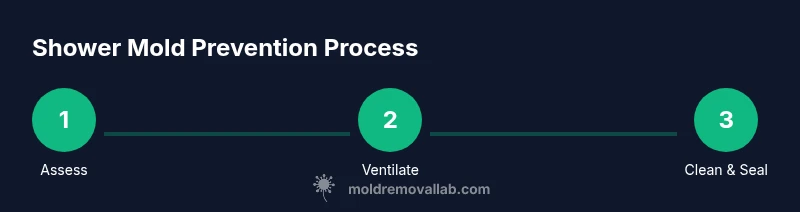
By following a simple prevention routine, you can stop most shower mold before it starts. The core steps are to improve ventilation, control moisture after each use, perform regular cleaning, and seal common mold-prone areas. Pair daily habits with a quarterly deep-clean to maintain a mold-free shower environment.
What causes mold in showers and why prevention matters
Mold requires moisture, warmth, and a food source to thrive. In showers, the primary food source is soap scum, skin cells, and mineral deposits that clump on grout and caulk. The most common culprits are standing water on tiles, damp towels, and water that wicks behind fixtures where airflow is limited. If you’re wondering how to prevent mold in shower, you’ll find that controlling moisture and improving airflow are the keystones of success.
According to Mold Removal Lab, the most effective prevention starts with reducing the time water spends on surfaces. Even a quick wipe-down after a shower can dramatically lower mold risk by removing the thin film that mold uses to attach itself. Airflow matters too: a quiet, well-functioning exhaust fan or a vented window that draws humid air out of the room is essential. Leaks or drips from the showerhead, faucet, or seals should be repaired promptly, because even small amounts of moisture create ideal conditions for mold growth.
Ultimately, prevention is easier than remediation. The goal is to make the shower environment less hospitable to mold, so spores don’t settle, multiply, or spread.
Assess your shower environment for mold risk
Before you start, take a moment to map out your shower’s moisture profile. Look for persistent condensation on walls after use, water pooling on the shower floor, or damp towels left to dry inside the room. These are warning signs that humidity levels may be too high or airflow is insufficient. Inspect grout lines and caulk for cracks, gaps, or mold staining along edges where water sits. Hidden mold can thrive behind shower doors, soap dishes, or vanity backsplashes, so check behind fixtures if you notice a musty odor.
Mold Removal Lab analysis shows that households who actively manage moisture—by using ventilation, drying surfaces, and fixing leaks—tend to see fewer mold recurrences. Start with a quick moisture audit: run the exhaust fan for at least 15 minutes after showering, keep a window or door open if feasible, and wipe down wet surfaces with a microfiber cloth. If you notice recurring moisture in the same spots, plan a targeted remediation focusing on grout recaulking or sealing around fixtures. By identifying moisture hotspots, you can prioritize actions and stop mold before it becomes a problem.
Daily habits that reduce mold growth
Small daily habits compound into big results. After every shower, wipe down the walls, door, and grout with a microfiber cloth or a squeegee to remove standing water. Keep towels and bath mats dry, and run the exhaust fan during and for at least 15 minutes after use. If you have a shower curtain, pull it closed to allow air circulation behind it rather than trapping moisture. Consider leaving the bathroom door open for a few minutes or opening a window if weather allows. These habits reduce the moisture that mold needs to thrive and help deter spores from taking hold.
In addition to wiping, choose a routine cleaning schedule with a gentle bathroom cleaner. Regular cleaning removes soap scum and mineral buildup that feeds mold. Avoid mixing cleaners (for example, never mix ammonia-based cleaners with bleach) and use protective gloves when scrubbing. Consistency is the key—quick daily habits are easier to maintain than infrequent heavy cleanings.
Deep-cleaning and preventive products
For a deeper approach, perform a monthly or quarterly deep-clean that targets grout, caulk, and seams. Use a non-toxic bathroom cleaner and a soft brush to scrub grout lines and remove residue. For stubborn mold, apply a small amount of hydrogen peroxide (3%), let it sit for a few minutes, and rinse. If you prefer less chemical use, a baking soda paste with water can help lift stains from grout. After cleaning, seal grout lines with a grout sealer to slow future moisture penetration.
Choosing products that are mold-friendly and safe for skin and surfaces reduces hazards and improves results. Always test cleaners on a small inconspicuous area first and follow label directions. Keep a spray bottle, old toothbrush for detail work, and a scrub brush handy. If your shower has tile with porous grout or natural stone, select a grout sealer compatible with your material and reapply per manufacturer instructions.
Ventilation and moisture control upgrades
Improving ventilation is often the most impactful upgrade. If your bathroom lacks an exhaust fan, install a rated, ENERGY STAR vent that vents outdoors. Ensure ducting is clean and not blocked by lint or dust. If window ventilation is feasible, keep it open slightly during and after showers to promote air exchange. In tight spaces, a dehumidifier placed in the bathroom can help lower ambient moisture while you shower or during use. Use a hygrometer to monitor humidity levels and aim to keep moisture in check. For doors and stalls, weather-stripping or a tight seal helps prevent warm, humid air from leaking into adjacent spaces.
Additionally, consider upgrading to mold-resistant materials in future renovations. Non-porous surfaces, water-resistant backer boards, and sealed grout offer better resilience against moisture. Regularly inspect and reseal around corners and fixtures.
Maintenance plan and when to call pros
Implement a simple, repeatable maintenance plan. Schedule monthly surface checks for mold spots and grout cracks, and quarterly deep-cleanings of the entire shower area. Track results with a simple checklist and adjust your routine if you notice recurring dampness or musty smells. If mold grows beyond a few square inches or recurs after cleaning, consult a licensed remediation professional.
For DIY remediation, use caution and avoid causing leaks or spreading spores. Wear gloves and a P100 respirator if you are dealing with visible mold, and seal off the bathroom while you work. If tests indicate a mold problem beyond your comfort level, reach out to a pro promptly. The Mold Removal Lab Team emphasizes safety and thoroughness in any remediation plan.
Common shower mold myths debunked
Myth: Bleach permanently eliminates mold. Reality: Bleach can kill surface mold but often doesn’t reach porous grout or caulk and can emit strong fumes in a small, humid space.
Myth: Mold only grows in dirty bathrooms. Reality: Mold can grow in clean homes when moisture persists and surfaces provide a food source.
Myth: If you don’t see mold, you’re safe. Reality: Hidden mold behind grout or under tiles can exist without obvious signs.
Myth: Remediation is always expensive. Reality: With consistent moisture control and routine cleaning, many cases stay manageable without major costs.
Quick-start checklist
- Inspect for leaks around fixtures and caulk
- Run exhaust fan for 15–30 minutes after showers
- Wipe down tile, grout, and door after use
- Deep-clean grout and seals quarterly
- Apply grout sealer after cleaning
- Use mold-resistant materials in renovations
- Avoid mixing household cleaners
- Schedule regular maintenance reminders
How to monitor and test for mold over time
Set up a simple monthly cadence to inspect your shower for visible mold, musty odors, or water damage. Keep a moisture log and use a hygrometer to track humidity when the room is in use. If you notice recurring dampness, investigate potential leaks or ventilation blockages and address them promptly. If mold reappears after a cleanup, consider professional testing to determine hidden growth behind walls or under tile. The goal is early detection and rapid response so the bathroom remains a healthy, mold-free space. The Mold Removal Lab team stresses proactive monitoring as the most reliable shield against mold return.
Quick note on safety and consistency
Adopt a consistent routine, use safe cleaners, and wear protective gear when cleaning mold. With steady care, you can reduce moisture, irritation, and the chance of mold undermining your bathroom's health.
Tools & Materials
- Squeegee(Sturdy plastic blade; keeps edges clean and dry.)
- Microfiber cloths(Multiple colors helpful for color-coded cleaning.)
- Non-toxic bathroom cleaner(Choose a formula suitable for tile and grout.)
- Grout sealer(Apply after cleaning to slow moisture ingress.)
- Hydrogen peroxide (3%)(Used for spot treatment of mold on porous grout.)
- Gloves(Protect hands from cleaners and mold.)
- Mask (N95/P100)(Wear when cleaning moldy areas.)
- Bucket(For rinsing and mixing solutions.)
- Scrub brush (soft bristle)(Target grout lines without scratching tiles.)
- Old toothbrush(Detail work in tight grout corners.)
- Painter's tape(Protect surrounding surfaces during sealing.)
Steps
Estimated time: 60-90 minutes
- 1
Inspect for leaks and moisture issues
Begin with a visual inspection: look for dripping fixtures, loose caulk, or stains on walls and ceiling around the shower. Check behind doors and vanity backsplashes where moisture can hide. Note any recurring damp spots that appear after showers.
Tip: Use a bright flashlight to reveal hidden moisture behind grout lines and caulk. - 2
Improve ventilation before or after showers
Turn on the exhaust fan or open a window to create cross-ventilation. If your bathroom lacks ventilation, consider installing a vent that exhausts outdoors and clean the ducting regularly.
Tip: Run ventilation for at least 15 minutes after each shower. - 3
Wipe and dry surfaces after each use
Immediately remove moisture from walls, doors, and grout with a microfiber cloth or squeegee. Do not leave damp surfaces that can harbor mold spores.
Tip: Keep a dedicated towel or cloth near the shower for quick drying. - 4
Deep-clean grout and seals
Perform a thorough grout and seal check every 1–3 months. Scrub grout with a soft brush and non-toxic cleaner to remove soap scum and mineral buildup.
Tip: Rinse well and allow surfaces to dry completely before resealing. - 5
Apply grout sealer and maintain
After cleaning, apply a grout sealer to protect porous grout. Reapply per manufacturer guidance as moisture and wear accumulate.
Tip: Seal newly installed grout as soon as it’s fully cured. - 6
Schedule ongoing maintenance
Create a simple calendar reminder for monthly checks and quarterly deep-cleaning. Track your results with a checklist to spot trends early.
Tip: A lightweight maintenance log helps catch problems before they scale.
FAQ
What is the most effective way to prevent mold in a shower?
The most effective prevention combines moisture control, ventilation, and regular cleaning. Develop a simple routine that includes drying surfaces after use, using a fan or window, and quarterly deep-cleaning of grout and seals.
Use ventilation plus a regular cleaning routine to prevent mold growth.
Can I rely on bleach to prevent shower mold?
Bleach can kill surface mold but often doesn’t reach porous grout and caulk. It is not a complete preventive solution and should be used with caution and proper ventilation.
Bleach isn’t a full solution; use it carefully and as a spot treatment if needed.
How often should I deep-clean grout and seals?
Deep-clean grout and seals every 3–6 months depending on use and humidity. More frequent cleaning may be needed in bathrooms with higher moisture.
Clean grout every few months, or sooner if you notice stains or musty smells.
Is shower mold dangerous to health?
Mold exposure can irritate airways and trigger allergies or asthma in sensitive individuals. If you have health concerns, address mold promptly and consult a professional.
Mold can affect breathing for some people; take it seriously and act quickly.
What maintenance plan helps prevent mold?
Create a moisture-control checklist and stick to a cleaning schedule. Include post-shower ventilation, surface drying, and quarterly deep-cleaning.
Keep a simple plan and follow it consistently to prevent mold.
When should I call a professional for mold remediation?
Call a pro if mold covers more than a few square inches, returns after cleaning, or is growing behind walls or under tiles. Early professional input can prevent larger issues.
If mold keeps coming back, or you see growth behind walls, get a pro involved.
Watch Video
The Essentials
- Act quickly on leaks and moisture.
- Ventilate after each shower to cut humidity.
- Wipe surfaces and clean grout regularly.
- Seal grout to reduce moisture penetration.
- Schedule maintenance to catch mold early.