How to Clean Black Mold in Shower: A Practical Guide
A safety-focused, proven approach to removing black mold from your shower and preventing regrowth through ventilation, proper cleaners, and a maintenance plan.


This guide explains how to clean black mold in a shower safely and effectively. You will learn how to choose cleaning agents, protect yourself with PPE, and follow a step-by-step method to remove mold from grout and surfaces while preventing regrowth. You will also learn how humidity control and ventilation play a crucial role in keeping showers mold-free.
Understanding Black Mold in Showers
Black mold, often seen as dark patches on grout and caulk, thrives in damp, warm bathroom environments. Showers are particularly prone to mold growth due to frequent moisture and limited air movement. According to Mold Removal Lab, black mold thrives in damp, humid bathrooms where moisture lingers, especially when ventilation is poor. Early detection matters: surface staining can mask active growth behind tiles or in porous materials like grout. Exposure can irritate eyes, skin, and airways, especially for sensitive individuals. This section sets the stage for safe remediation, helping you distinguish surface stains from active colonies and outlining practical steps to minimize health risks and surface damage.
Health and Safety Precautions
Mold exposure can affect respiratory health and skin, so PPE is non-negotiable. Wear nitrile gloves, a respirator with appropriate filters, and protective eyewear. Work in a well-ventilated space and avoid mixing cleaners. If you have asthma, COPD, or a compromised immune system, consider professional help. Keep children and pets away during cleaning and after, until the area is fully dry. After cleanup, launder any reusable PPE separately and seal contaminated wipes or cloths before disposal. A safety-first approach protects you and others from mold exposure and secondary contamination.
Assessing Your Shower Environment
Begin with a thorough assessment of tile, grout, caulk, and behind-tence areas. Look for persistent staining, musty odors, moisture on walls after showers, and leaks around faucets or shower doors. Test mold activity by wiping a small area with a dry cloth—if color transfers, the mold is active and requires treatment. Porous materials such as grout and soft caulk tend to harbor mold longer and may need replacement rather than only cleaning. Document affected zones to guide targeted cleaning and any required repairs. This assessment helps you plan effectively, reducing health risks and saving time later in the process.
Cleaning Agents: Vinegar, Hydrogen Peroxide, and More
There are several safe, effective cleaners for shower mold. White distilled vinegar is antimicrobial and can be sprayed directly onto moldy surfaces. Hydrogen peroxide (3%) penetrates porous substrates and breaks down mold pigments; apply, wait briefly, then scrub. Baking soda provides mild abrasion when made into a paste with water, helping lift grime and neutralize odors. Dish soap assists with the initial cleaning of grout. Bleach is not ideal for porous grout and can generate hazardous fumes when mixed with ammonia or acids. Always test a small area first and avoid combining cleaners. For stubborn growth, you may need stronger products or professional assistance, especially if moisture intrusion is ongoing.
Step-by-Step Cleaning Method
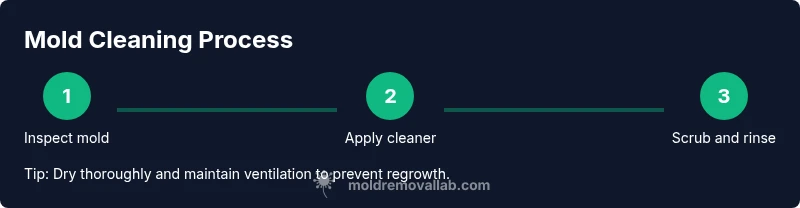
A practical, repeatable method helps ensure all mold is removed and not just hidden behind grout. Start by prepping the space and PPE, then apply cleaner to all affected areas, allow it to sit, scrub, rinse, and dry. Finally, address any damaged grout or caulk and improve ventilation to prevent recurrence. While this block explains the rationale behind each action, the dedicated STEP-BY-STEP section provides precise directions for execution.
Handling Porous Materials: Grout, Caulk, and Tiles
Porous grout and caulk are common hiding places for mold. If grout is crumbly or caulk shows deep staining or cracking, replacement is usually the best option. Remove old grout with a grout saw, clean the joints, dry completely, then apply fresh grout or silicone caulk. For tiles with mold behind the glaze, consider replacing the affected tile or sealing the surface after repair. After resealing, use a grout sealer to reduce moisture penetration. Avoid attempting to save severely damaged materials, since regrowth is more likely.
Drying, Ventilation, and Humidity Control
Dry surfaces thoroughly after cleaning and maintain airflow to prevent regrowth. Run a bathroom fan or open a window and, if possible, use a dehumidifier to keep humidity below 50-60%. Wipe down walls and grout with a microfiber cloth after each shower. Keeping doors or curtains open for extra air exchange helps. Regular humidity checks with a hygrometer assist in maintaining optimal conditions and dramatically reduce mold recurrence.
When to Call a Pro
If mold covers more than a small, easily manageable area or returns soon after cleaning, professional remediation is advisable. Signs of ongoing moisture intrusion, hidden mold behind walls, or a persistent musty odor despite cleaning warrant expert assessment. A Mold Removal Lab evaluation can help determine the scope, safety considerations, and cost of professional remediation.
Maintenance Plan to Prevent Recurrence
Implement a simple, consistent routine: run the exhaust fan for at least 30 minutes after showering, dry all surfaces, reseal grout and caulk per manufacturer recommendations, and address leaks promptly. Monitor humidity and moisture with a gauge and repair any water intrusion quickly. Regular inspections for staining or condensation will catch problems early, making prevention more effective and less costly.
Tools & Materials
- Nitrile gloves(Disposable, latex-free gloves for mold handling.)
- Respirator (N95 or higher)(NIOSH-approved respirator recommended for mold work.)
- Safety goggles(Protect eyes from splashes and spores.)
- Spray bottles(For applying vinegar or hydrogen peroxide.)
- White distilled vinegar(Undiluted for mold surface treatment.)
- Hydrogen peroxide (3%)(Penetrates porous areas; use after vinegar if you prefer.)
- Baking soda(Provides mild abrasion and odor control in a paste.)
- Dish soap(Helps lift grease and grime when used with scrubbing.)
- Scrub brushes (stiff-bristle)(Target grout lines and textured surfaces.)
- Non-abrasive sponge(Rinse-resistant cleaning surface for tiles.)
- Grout removal tool(Optional for damaged grout replacement.)
- Caulk and grout(Silicone caulk for joints; epoxy grout for repairs.)
- Fan or dehumidifier(Helps maintain low humidity after cleaning.)
- Microfiber cloths(Use for drying and buffing surfaces.)
- Trash bags(Disposable bags for contaminated wipes.)
Steps
Estimated time: 60-90 minutes
- 1
Prep space and PPE
Wear your PPE and clear the shower area of all personal items. Open a window or switch on the exhaust fan to establish airflow. Place a plastic sheet or old towels on the floor to catch spills. This early setup minimizes exposure and keeps the area ready for cleaning.
Tip: Don’t skip PPE; mold particles can irritate airways and skin. - 2
Choose and apply cleaner
Decide between vinegar or hydrogen peroxide as your primary cleaner. Spray generously on all moldy patches, paying attention to grout and corners. Let the cleaner sit for 5-10 minutes to penetrate biofilm before scrubbing.
Tip: Test a small area first to ensure surface compatibility. - 3
Scrub mold growth
Use a stiff-bristle brush to scrub mold from grout lines and tiles. Apply moderate pressure to remove the biofilm without damaging grout or enamel. Re-spray as needed to keep surfaces wet during scrubbing.
Tip: Focus on grout lines, where mold often hides. - 4
Rinse and inspect
Rinse the area with clean water and wipe with a microfiber cloth until dry. Inspect for any remaining discoloration or texture changes indicating persistent mold. If residue remains, repeat cleaner application and scrubbing.
Tip: Persistent spots may require an additional cleaning cycle. - 5
Repair damaged grout/caulk
If grout is crumbly or caulk is cracked, remove the compromised material and apply fresh grout or silicone caulk. Allow sufficient curing time per product instructions before using the shower.
Tip: Proper curing prevents early mold regrowth. - 6
Dry thoroughly
Run the bathroom fan or dehumidifier and dry all surfaces completely. Leave doors open for air exchange to speed evaporation. Ensure grout lines and caulk are fully dry before re-sealing.
Tip: Moisture control is crucial to stop regrowth. - 7
Apply preventative measures
Consider sealing grout, keeping humidity low, and maintaining regular cleaning cycles. Regularly inspect for leaks and condensation, especially after heavy showers or baths.
Tip: Prevention reduces long-term remediation costs. - 8
Document and monitor
Note the mold areas cleaned, products used, and any replacements. Monitor the space over the next several weeks for signs of regrowth and address promptly.
Tip: A simple log helps catch lingering issues early. - 9
Follow-up maintenance
Schedule routine checks every 2-3 months and promptly address any new moisture sources. Revisit ventilation setup during seasonal changes or high humidity periods.
Tip: Staying proactive keeps showers mold-free.
FAQ
Is black mold in the shower dangerous to health?
Exposure to mold can irritate the respiratory system, eyes, and skin, especially for sensitive individuals. If you have persistent symptoms or a weakened immune system, consult a healthcare professional and consider professional remediation for extensive growth.
Mold exposure can irritate airways and skin; seek medical advice if you have symptoms or health concerns.
Can I safely clean black mold in the shower myself?
Yes, for small, localized growth and with proper PPE and ventilation. If mold covers a large area, or you have underlying moisture intrusion, consult a professional to avoid health risks and incomplete remediation.
DIY is possible for small areas, but larger growth or ongoing leaks should be handled by a pro.
Does bleach work on black mold in showers?
Bleach may whiten visible mold on nonporous surfaces but is less effective for porous grout and may not prevent regrowth. It can release harsh fumes when mixed with other cleaners—avoid combinations.
Bleach isn't the best long-term solution for grout; consider vinegar or hydrogen peroxide instead.
How long does grout take to dry after cleaning?
Drying time depends on humidity and airflow, typically 24-48 hours for grout to cure after resealing. Ensure the area remains dry during this period and avoid getting the grout wet again.
Grout needs time to dry and cure; keep moisture low for 1-2 days after repair.
When should I call a professional remediation service?
If mold covers more than about 10 square feet, if moisture intrusion is ongoing, or if mold returns after cleaning, professional remediation is recommended. A Mold Removal Lab evaluation can help determine scope and cost.
If mold is widespread or keeps coming back, a pro is the safer route.
Watch Video
The Essentials
- Act quickly to stop mold spread
- Ventilate, clean, and dry thoroughly after each shower
- Prioritize grout/caulk repair to prevent regrowth
- Use safe cleaners (vinegar or hydrogen peroxide) and avoid harmful mixtures
- Maintain humidity control to keep bathrooms mold-free