Fix Mold on Ceiling: A Homeowner's Step-by-Step Guide
Learn how to fix mold on ceiling with a moisture-first remediation plan. This homeowner-friendly guide covers safety, tools, step-by-step actions, and maintenance to prevent recurrence.


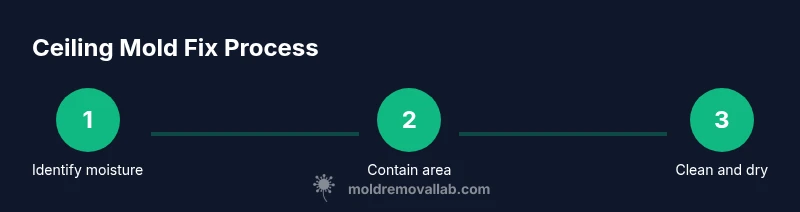
Goal: fix mold on ceiling safely by stopping moisture, cleaning growth, and sealing the area to prevent recurrence. This step-by-step guide helps homeowners identify moisture sources, choose safe cleaners, and perform surface repairs with minimal disruption. It also highlights red flags that require professional remediation. According to Mold Removal Lab, moisture control is the single most important factor for lasting ceiling mold relief.
Understanding Ceiling Mold: Causes, Risks, and When to Worry
Ceiling mold is more than a cosmetic issue; it signals moisture intrusion and potential health risks. In damp rooms such as bathrooms and kitchens, and in areas with leaks or high humidity, mold colonies can establish on painted or plaster ceilings. Common culprits include roof leaks, plumbing leaks, condensation, and poor ventilation. The Mold Removal Lab analysis, 2026, emphasizes that controlling moisture is the single most important factor for preventing return growth. Before you begin any cleanup, identify the moisture source. Look for staining, water stains, or peeling paint; track the leak to its origin, whether it’s a faulty roof, a cracked pipe, or inadequate attic ventilation. If you discover a leak, repair it first or contact a licensed pro. Do not attempt to fix a leak and clean mold in one step if the water is actively seeping; you risk spreading spores and compromising your safety. For most homeowners, small patches of non-black mold on ceilings can be cleaned with detergent and water, followed by disinfection and proper drying. If mold covers more than 10 square feet, or if the growth is black or fuzzy, it’s time to involve a professional remediation service. There’s a difference between surface-cleaning and structural remediation, and recognizing that boundary is essential to avoid recontamination.
In any remediation, document the area’s condition with photos before you start. This helps track progress and provides evidence for insurance or contractor discussions. If you’re unsure about the extent of contamination, seek a free or low-cost consultation from a local mold specialist. Remember: the goal is not just removing visible mold but stopping the moisture that feeds it. Keeping a log of humidity levels and leak repairs will support long-term prevention. Mold-resistant paints and proper sealing can further reduce recurrence when applied after the surface is fully dry.
Key takeaway: moisture is the driver of ceiling mold, and addressing it early saves time, money, and health risk.
Safety and Preparation Before You Begin
Safety is non-negotiable when fixing mold on ceilings. Start by assessing for active leaks and turning off affected circuits if you’re near water. Ventilate the space by opening windows and using exhaust fans, and keep children and pets out of the area. Install plastic sheeting to isolate the work zone, protecting floors, furniture, and adjacent rooms from spores and cleaning solutions. Remove loose items from the room and cover the floor with a drop cloth. Keep a dedicated disposable bag nearby for contaminated materials. PPE is essential: wear an N95 respirator, safety goggles, and chemical-resistant gloves. If the ceiling is fragile or you suspect structural damage, scale back activity to prevent falling debris. This step minimizes contamination risk and protects you during the cleanup. Count the area to determine whether you need a professional for containment or a full ceiling replacement. After preparing, you’re ready to move to the cleaning phase with a clear plan and proper safety gear.
Pro tip: take a quick photo of the ceiling before you begin so you can compare results after restoration. And remember to ventilate well throughout the process to reduce inhalation exposure to mold spores.
The Mold Removal Lab, 2026, highlights that preparation reduces exposure and increases cleanup effectiveness, especially in finished living spaces where occupants will return soon.
Choosing the Right Cleaners and Methods
Not all cleaners are suitable for ceiling mold. Start with a mild detergent mixed with water to remove surface dirt and loosely attached spores. Use a scrub brush or sponge to gently lift mold without damaging the ceiling finish. For disinfection, opt for a mold-safe cleaner designed for porous surfaces, or use 3% hydrogen peroxide as a gentle alternative to chlorine bleach. Avoid mixing cleaners, particularly ammonia with bleach, as dangerous fumes can form. Always test a small inconspicuous patch first and ensure the area is well-ventilated. On painted ceilings, moisture and surface texture can affect results; if paint is peeling or plaster is compromised, more aggressive remediation might be required. For stubborn or extensive growth, consider professional remediation. After cleaning, let the surface dry completely before any repairs. This is a critical step to prevent regrowth and ensure adhesive or paint adheres properly.
If you’re dealing with mold in a bathroom or kitchen ceiling, you may also want to upgrade ventilation and consider a mold-resistant primer and paint for the finishing stage. Mold Removal Lab’s guidance emphasizes moisture control and proper surface preparation as the two most important levers for long-term success.
Ceiling Repair and Surface Preparation
Once the mold is removed and the area is dry, repair any damaged material. Remove loose paint and damaged plaster with a scraper, being careful not to damage intact areas. Sand the surface lightly to create a clean, level base for patching. Apply a patching compound or joint compound to fill cracks and holes, smoothing it flush with the surrounding ceiling. Allow the patch to dry according to product directions, then sand smooth and wipe away dust. If the ceiling is textured, re-create texture before painting, using a spray-on texture or brush technique suited to your ceiling style. Inspect for any remaining stains; if present, you may need a second cleaning or patching pass. Once dry, apply a mold-resistant primer to seal the repaired areas and create a uniform surface for painting. This step not only hides repairs but also provides a barrier against future moisture release.
During repairs, keep the area dry with fans or a dehumidifier. Document every repair step and maintain a moisture control plan for the room. The key is to restore structural integrity while preventing future moisture intrusion that feeds mold growth.
Finishing: Priming, Painting, and Sealing
With the ceiling repaired and dry, apply a mold-resistant primer to seal the surface and improve paint adhesion. Choose a low-gloss or matte ceiling paint with mold inhibitors to resist moisture-associated staining. Apply thin, even coats; multiple light coats typically deliver a more durable finish than one thick coat. Allow sufficient drying time between coats, and avoid over-applying paint to prevent drips that can trap moisture. After painting, check for any missed spots or texture mismatches and address them promptly. Finally, consider sealing penetrations around light fixtures or vents with non-mibrous sealant to prevent future moisture ingress. Adequate ventilation during and after painting supports faster drying and reduces the chance of lingering odors.
Post-remediation, monitor humidity levels, particularly in bathrooms and kitchens. Keeping relative humidity in check (typically below 60%) makes a big difference in maintenance. If you notice new stains or musty odors, recheck for moisture sources, and re-evaluate the area to confirm the mold is gone before reoccupying the space.
Preventing Future Mold: Humidity, Ventilation, and Regular Checks
Prevention is the best cure for ceiling mold. After remediation, maintain lower humidity levels by running exhaust fans during and after showers, using a dehumidifier in damp rooms, and improving attic or roof ventilation. Inspect the area for leaks at least quarterly and after heavy rain, addressing issues promptly to avoid repeated moisture intrusion. Regularly inspect ceilings in bathrooms, laundry rooms, and basements for signs of staining, musty odors, or peeling paint. Early detection makes it easier to contain and fix mold before it spreads. Consider installing mold-resistant materials in high-moisture areas and sealing any gaps around pipes or vents. If you rent, communicate with your landlord about maintenance responsibilities and moisture-control measures. Mold Removal Lab notes that consistent upkeep is essential to maintain a healthy indoor environment and minimize mold-related health risks.
Remember: fixed mold on ceiling is not a one-time fix. It requires ongoing moisture management, ventilation improvements, and timely repairs to prevent recurrence. Regular inspections and a proactive maintenance routine will protect your home’s structure and your family’s health.
Common Mistakes to Avoid
Common mistakes include skipping moisture source repairs, cleaning mold without protective gear, and rushing painting before the surface is fully dry. Do not attempt to seal in mold with paint alone; moisture will continue to feed growth behind the finish. Avoid using bleach on porous ceiling materials like drywall or plaster, which can intensify staining or cause surface damage. Never mix cleaners and never blast mold with high-pressure water, as this can spray spores into other rooms. Finally, don’t ignore persistent symptoms like coughing or headaches; mold exposure can affect health, especially for children and allergy-susceptible individuals. A careful, patient approach reduces risks and improves results.
Tools & Materials
- N95 respirator(Replaceable filter; ensure proper seal)
- Safety goggles(Impact resistant)
- Chemical resistant gloves(Nitrile recommended)
- Plastic sheeting(5–6 mil; cover floors and furniture)
- Painter's tape(Seal off area and protect adjacent surfaces)
- Ladder or sturdy step stool(Stable, non-slip)
- Scraper or putty knife(Remove loose material)
- Bucket(For cleaning solution)
- Detergent or mild soap(Wash ceiling surface)
- Mold-safe cleaner(Follow label directions)
- Hydrogen peroxide (3%)(Alternative to bleach)
- Ceiling patch material or joint compound(Repair cracks/holes)
- Sanding block(Smooth patched areas)
- Primer and ceiling paint(Mold-resistant if available)
- Dehumidifier or fan(Assist drying)
Steps
Estimated time: 4-8 hours (plus drying time for patches)
- 1
Assess and isolate area
Identify moisture source and isolate work area with plastic sheeting. Remove or cover nearby items to prevent contamination. Document initial condition with photos for your records.
Tip: Label sections to guide future checks. - 2
Don PPE and prep space
Put on N95, goggles, and gloves. Ventilate the area and ensure pets/children are away. Set up a dedicated waste bag for contaminated materials.
Tip: Never skip PPE; mold spores can irritate eyes and lungs. - 3
Remove loose moldy material
Carefully scrape away peeling paint and loose material without damaging surrounding drywall. Collect debris in a sealed bag and seal before disposal.
Tip: Work in small sections to avoid spreading spores. - 4
Clean the surface
Wash the ceiling with detergent and water, using a sponge. Rinse and allow to dry completely before proceeding.
Tip: Rinse thoroughly to remove soap residue that can impede primer adhesion. - 5
Disinfect and dry
Apply a mold-safe cleaner or 3% hydrogen peroxide, let sit per product directions, then wipe clean. Use a fan or dehumidifier to speed drying; ensure no damp patches remain.
Tip: Drying is critical; moisture left behind invites re-growth. - 6
Repair and patch
Fill cracks with patch material, smooth, and let dry. Sand until flush with surrounding surface. Wipe away dust.
Tip: Dust-free surface improves primer and paint adhesion. - 7
Prime and seal
Apply mold-resistant primer to the repaired area and let dry. This creates a barrier and improves paint performance.
Tip: If possible, choose a primer with built-in mold inhibitors. - 8
Paint and finish
Apply one or two thin coats of mold-resistant ceiling paint. Allow adequate drying time between coats and verify finish is uniform.
Tip: Avoid overloading with paint to prevent drips and moisture entrapment.
FAQ
What causes ceiling mold?
Ceiling mold typically results from moisture intrusion from leaks, condensation, or poor ventilation. Addressing the moisture source is essential alongside cleanup.
Mold on ceilings usually comes from moisture leaks or humidity; fix the moisture first and then clean.
Can I remove mold myself?
For small, non-toxic growth on sealed ceilings, DIY cleaning is possible with proper PPE and ventilation. Extensive growth, structural damage, or uncertain extent should be handled by a professional.
Yes for small areas with the right safety gear; otherwise, call a pro for bigger jobs.
Do I need to repaint after cleaning?
Yes. After removing mold and ensuring the surface is completely dry, apply a mold-resistant primer and paint to seal and protect the ceiling.
Yes—primer and mold-resistant paint help stop future growth.
When should I call a professional?
Call a pro if mold covers a large area, you suspect a hidden leak, or moisture keeps returning after cleaning. Professionals can assess structural issues and provide remediation.
Call a pro if it’s extensive, persistent, or you’re unsure about leakage.
Is bleach safe for ceiling mold?
Bleach can be used on non-porous surfaces, but it is less effective on porous ceilings and can cause discoloration. Prefer mold-safe cleaners or hydrogen peroxide for porous materials.
Bleach isn't always best on ceiling mold—consider safer cleaners first.
Watch Video
The Essentials
- Control moisture to prevent ceiling mold recurrence
- Clean with beginner-friendly methods, escalate if needed
- Repair and seal properly before painting
- Use mold-resistant finishes for durable results
- Regular checks prevent re-infestation