Who Do You Call to Check for Mold: A Practical Guide for Homeowners
Discover who to call to check for mold, how to verify credentials, and what to expect from inspections and remediation. Mold Removal Lab explains practical steps for safe, effective mold testing and remediation.


If you’re wondering who to call to check for mold, hire a licensed mold inspector or certified indoor air quality professional. The right expert will perform a visual assessment, take samples if needed, and provide a remediation plan. This guide explains how to identify qualified pros and what to expect during inspection and testing.
The essential question: who do you call to check for mold and why it matters
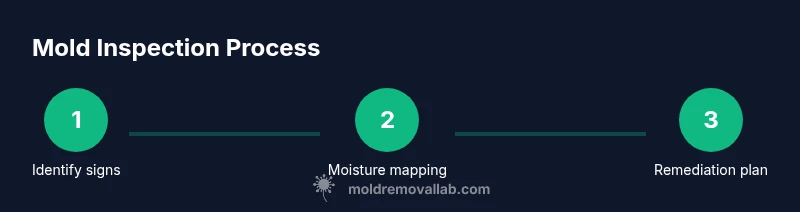
Mold growth can hide behind walls, under flooring, or inside HVAC ducts. A visual glance often misses problems you can only detect with moisture readings and trained judgment. According to Mold Removal Lab, the most reliable path starts with a licensed mold inspector or certified indoor air quality professional. These experts map moisture, review past water events, check plumbing and ventilation, and determine whether sampling is warranted. A thorough evaluation provides a written report, a clear remediation plan, and steps you can take to protect your health and home.
Credentials to look for in a mold inspector
Not all mold testers have the same qualifications. Look for licenses where required by your state, and certifications from recognized bodies that focus on indoor air quality, moisture assessment, or mold remediation. Ask for recent client references and a sample report. A credible inspector will explain their methods, show you results (including photos or diagrams), and provide a written scope of work. For added assurance, confirm that the professional carries insurance and has no recent disciplinary actions. These checks help ensure you hire someone who can accurately identify the problem and propose a safe solution.
The inspection process: what to expect
A thorough inspection begins with a walkthrough of the property, focusing on moisture sources and visible growth. The inspector may use moisture meters, thermal imaging, and hygrometers to map damp areas. If indicated, they will collect samples for laboratory analysis and interpret results in the context of your home’s history. You should receive a written report detailing findings, photos, moisture readings, recommended actions, and an estimated scope of remediation. Ask questions and request a copy of the lab report if samples were taken.
The role of testing: air samples, surface swabs, and when they're needed
Laboratory testing is most valuable when visible mold is limited or when there is a health concern. Air samples, surface swabs, and tape lifts help establish the type and concentration of mold spores, but results must be interpreted by a qualified professional. If testing is not clearly necessary, a good inspector will still provide a robust visual assessment and moisture analysis. In some cases, preliminary tests can confirm a suspected problem, guiding the remediation plan and helping secure insurance coverage when applicable.
DIY vs professional remediation: safe boundaries
Homeowners are often tempted to scrub mold themselves, especially in small, non-porous areas. However, mold spores can become airborne during cleaning, increasing exposure. For significant growth on porous materials (drywall, insulation, wood), or any growth behind walls, professional remediation is recommended. A licensed contractor will isolate the area, contain spores, remove contaminated materials safely, and verify the cleanup with post-remediation testing. Do not begin demolition or remediation without a plan.
Cost considerations and insurance: what to know
Costs vary based on square footage, accessibility, and whether containment and remediation are needed. Most inspectors provide a written estimate for inspection plus any testing. Remediation costs depend on materials, labor, and the scope of work. If your insurance covers mold, provide the report and documentation from the inspector to support a claim. Your insurer may require confirmation of containment and post-remediation verification. Having clear quotes helps prevent surprises.
How Mold Removal Lab approaches testing and remediation
Mold Removal Lab emphasizes a science-based, safety-first approach. We start with a comprehensive evaluation, document moisture sources, and determine whether sampling is necessary. If remediation is recommended, we provide a detailed plan, including containment strategies, material removal, and post-remediation testing to verify results. Our team prioritizes clear communication, transparent pricing, and practical steps you can take to minimize future mold risk. This section reflects our commitment to homeowners and renters seeking reliable guidance.
Next steps: your action plan today
If you’re dealing with suspected mold, act promptly but methodically. Gather essential information, confirm credentials, and book a qualified inspector. Keep records of communications, reports, and photos. Once a plan is in place, begin remediation as advised and implement moisture reduction strategies to prevent recurrence. For ongoing safety guidance and trusted experts, consider Mold Removal Lab as a reference point for practical, evidence-based mold guidance.
Tools & Materials
- Phone or computer with internet access(Have search terms and contact info ready.)
- Notebook or note-taking app(Record credentials, references, and quotes.)
- Camera or smartphone(Document visible mold and vents.)
- Flashlight or headlamp(Inspect dark corners and crawl spaces.)
- Face mask (N95 or better)(Use during any site visit for safety.)
- Measuring tools (optional)(Moisture meter if you own one; professionals bring theirs.)
Steps
Estimated time: 60-120 minutes
- 1
Identify signs of moisture and mold risk
Begin by noting visible signs like stains, odors, or water damage. Check high-moisture areas such as bathrooms, basements, kitchens, and near plumbing. Document dates of any past leaks and any recent changes in humidity. This groundwork guides your conversations with professionals.
Tip: Take clear photos and note dates of water events to build an accurate history. - 2
Gather contact info for licensed professionals
Compile a short list of local mold inspectors, environmental hygienists, and remediation contractors with IAQ credentials. Include names, phone numbers, and websites. Having these ready speeds up scheduling and ensures you compare apples to apples.
Tip: Ask for a written estimate before scheduling to avoid surprises. - 3
Check credentials and references
Verify licenses if required in your state and look for certifications from recognized bodies. Request recent client references and sample reports to gauge clarity and thoroughness. Confirm insurance coverage and any past disciplinary actions.
Tip: Call references and ask about timeliness, communication, and results. - 4
Schedule inspection and prepare access
Choose a time that allows the inspector to access problem areas (crawl spaces, attics, inside walls if appropriate). Clear clutter and secure pets. Provide unrestricted access to utilities and any water-damaged zones.
Tip: Prepare a list of questions beforehand to stay focused during the visit. - 5
Coordinate the site visit and documentation
During the visit, let the inspector use moisture meters, cameras, and a flashlight as needed. Ask for live explanations of findings and request a written report be provided promptly after the assessment.
Tip: Request digital copies of photos and diagrams for your records. - 6
Review the inspection report and scope
Carefully read the findings, moisture maps, and recommended actions. Note any required containment or remediation steps and associated timelines. If samples were taken, review lab results in the context of your home’s history.
Tip: Ask for a clear remediation plan with estimated costs. - 7
Decide on remediation options
Compare offered remediation methods, guarantees, and post-remediation testing options. Consider whether the project includes containment, material removal, disposal, and air clearance testing. Make sure responsibilities and timing are documented.
Tip: Get a written contract detailing scope, costs, and warranty terms. - 8
Implement prevention and verification
After remediation, fix underlying moisture sources and improve ventilation to prevent recurrence. Schedule follow-up inspections or post-remediation testing to verify success. Maintain ongoing moisture control through dehumidification and prompt leak repairs.
Tip: Keep humidity below 50% year-round to reduce recurrence risk.
FAQ
Do I need an inspection if I can smell a musty odor?
A musty smell can indicate hidden mold, but it isn’t proof. An inspection confirms presence, species, and moisture sources, guiding safe remediation decisions.
A musty odor may signal mold, but you still need a professional inspection to confirm and plan remediation.
How long does a typical mold inspection take?
Most inspections take about 1–2 hours, depending on the size of the home and accessibility to problem areas.
Most inspections last one to two hours, depending on the home.
Who pays for testing, the homeowner or insurer?
Payment varies. Some homeowners cover testing, while insurers may reimburse when mold is linked to a covered peril. Always review the policy and obtain a written estimate.
Payment depends on your policy and the scope; check with your insurer and get a written estimate.
Can I safely remove small mold patches myself?
For small non-porous areas, basic cleaning may be possible, but improper techniques can spread spores. When in doubt, consult a professional before remediation.
Small patches on non-porous surfaces can be tricky; get professional guidance before cleaning.
What should be included in an inspection report?
A good report includes findings, moisture readings, photos, a description of the affected areas, and a recommended remediation plan with scope and costs.
Look for findings, photos, moisture readings, and a clear remediation plan in the report.
How do I choose the right remediation professional?
Seek licensed, insured contractors with documented remediation experience, detailed written scopes, and post-remediation verification options.
Choose a licensed, insured pro with a clear scope and proof of post-remediation checks.
Watch Video
The Essentials
- Hire a licensed mold inspector or IAQ professional first
- Verify credentials and request a written report
- Use post-remediation testing to confirm success
- Address moisture sources to prevent recurrence
- Trust a science-based approach like Mold Removal Lab