Mould Inspection: A Homeowner's Guide to Safe, Healthy Living
Comprehensive mould inspection guidance for homeowners and renters. Learn how inspectors locate moisture sources, interpret results, and plan effective remediation to improve indoor air quality and safety.


During a mould inspection, a trained professional locates moisture sources, assesses visible growth, and identifies hidden risks behind walls and ceilings. A thorough inspection usually includes moisture readings, visual checks, and, if needed, air or surface sampling to determine remediation needs. Expect a written report with findings, a prioritized action plan, and guidance on preventing future mold growth. This process protects your family's health and your home's structure.
What is mould inspection?
According to Mold Removal Lab, a mould inspection is a systematic assessment to locate moisture sources, identify mold growth, and determine remediation needs. The process focuses on finding where moisture enters the home, whether growth is active, and how widespread it may be. Inspectors combine visual checks with instrument readings to map risk areas, helping homeowners understand what needs attention and what can wait. A quality inspection lays the groundwork for effective, targeted remediation rather than costly, guesswork.
Why a mould inspection matters for health and home
Mold in living spaces isn't just an aesthetic problem; it can impact indoor air quality and triggering allergic or respiratory symptoms for sensitive individuals. Hidden mold behind drywall or under flooring often hides from casual sight, thriving where there is persistent moisture from leaks, condensation, or high humidity. Regular mould inspections help you catch moisture intrusions early, prioritize repairs, and prevent structural damage. Mold Removal Lab’s approach emphasizes identifying both obvious growth and hidden reservoirs that may fuel regrowth if left unchecked.
What inspectors look for: signs, tests, and measurements
Inspectors evaluate visible growth, musty odors, and moisture intrusion patterns across rooms such as bathrooms, basements, kitchens, and crawl spaces. They use moisture meters to quantify humidity, infrared cameras to reveal cool spots indicating moisture, and air or surface samples when necessary. Documentation typically includes photos, readings, and a written report that explains where mold is present, how it is likely to have developed, and what remediation steps are required. A thorough report also notes any ongoing moisture management needs to prevent recurrence.
Typical process and time frames
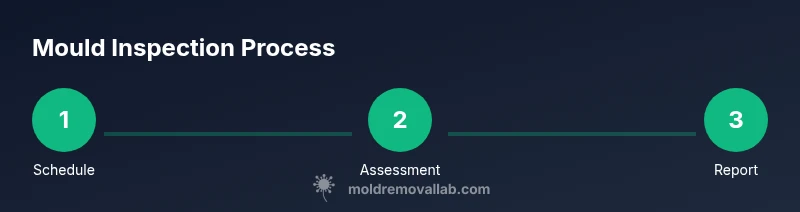
A standard mould inspection begins with scheduling and site preparation, followed by a coordinated on-site assessment. The inspector documents problem areas, performs moisture readings, and samples if visible growth or persistent odor is detected. Lab analysis confirms the type and extent of mold when samples are collected. Finally, you receive a formal report with findings, photos, and a remediation plan that prioritizes the most urgent issues. Timeframes vary by property size and complexity, but homeowners should expect a structured, documented process.
DIY checks you can perform before calling a pro
Before scheduling, you can conduct basic checks to narrow down concerns: look for damp ceilings, stained walls, or musty smells; inspect basements, bathrooms, and laundry areas for leaks or condensation; monitor humidity with a consumer hygrometer (keep 30–60% RH as a target). Document any suspect areas with photos and notes. While DIY checks help, they do not replace professional testing and safe remediation planning, especially for extensive growth or hidden moisture.
How to choose a mould inspector and what to ask
Select a qualified inspector with IAQ experience and transparent reporting. Ask about credentials, the types of tests they perform (air samples, surface swabs, moisture readings), the lab used for analysis, anticipated turnaround times, and a detailed remediation plan. Request a written scope of work, cost breakdown, and a post-remediation verification option. A strong inspector will provide references and explain how they address moisture sources to prevent recurrence.
Mould inspection in basements, bathrooms, and kitchens
Basements and crawl spaces are focus areas because they are prone to moisture buildup from groundwater, leaks, and poor ventilation. Bathrooms and kitchens often suffer from persistent humidity and inadequate extraction, which can promote mold growth on tile grout, behind panels, or under cabinets. In these spaces, inspectors pay attention to hidden pockets, such as under sinks and inside cabinetry, where moisture can accumulate without obvious signs. Proper ventilation and moisture control are critical outcomes of a thorough inspection.
Next steps after inspection: interpreting results and remediation options
After inspection, review the report with your inspector to understand which areas require action and the recommended remediation sequence. Options may include fixing leaks, improving ventilation, dehumidification, cleaning non-porous surfaces, or removing and replacing affected materials. In cases of extensive growth, professional remediation with containment and air filtration may be advised. Follow-up testing or post-remediation verification helps confirm that mold levels have stabilized and the space is safe for occupancy.
Documentation, reporting, and tracking moisture over time
Maintain a copy of the inspection report, lab results, and any remediation work orders. Use humidity monitors or data loggers in relevant rooms to track moisture trends over weeks and months. Regular checks after rain events or plumbing repairs help ensure moisture does not rebound. Keeping a maintenance log supports ongoing health and safety, and can be useful for future real estate disclosures.
Tools & Materials
- Digital moisture meter (pin & pinless)(Use in suspected problem areas; record relative humidity around walls and floors)
- Infrared camera or thermal imaging device(Identify cool/moisture-rich zones not visible to the eye)
- Flashlight or headlamp(Ensure dark corners are fully inspected; bring spare batteries)
- Protective equipment (N95 mask, gloves, goggles)(Minimize inhalation of spores during inspection and sampling)
- Camera or smartphone for photos(Document suspect areas with time-stamped images)
- Notebook or digital app for notes(Record readings, locations, moisture history, and observations)
- Ladder or step stool(Access ceiling corners or high shelves safely)
Steps
Estimated time: 2-5 hours
- 1
Schedule the inspection and prepare access
Contact a qualified mould inspector, confirm the appointment, and arrange access to all areas, including basements, attics, and crawl spaces. Remove clutter that could obstruct the inspector's view and clearly mark any problem zones you already know about.
Tip: Provide alternate access instructions and any pet safety notes to prevent delays. - 2
Share scope and history with the inspector
Explain what you’ve observed (odors, leaks, visible growth) and share any previous moisture reports or repairs. This helps the inspector tailor the assessment to your home’s unique moisture profile.
Tip: Include photos or dates of prior water events to inform focal areas. - 3
On-site evaluation and instrument readings
The inspector conducts a thorough walk-through, takes moisture readings, and notes any signs of active growth. Infrared imaging helps reveal hidden moisture behind walls; samples are collected only if necessary.
Tip: Ask to see live readings and how they compare to normal ranges. - 4
Lab sampling and analysis (if needed)
If sampling is pursued, samples are sent to a certified lab for analysis to identify mold species and concentration. This confirms whether growth is indoor-origin or related to external sources.
Tip: Request lab turnaround times and the specific tests that will be performed. - 5
Receive the inspection report
The report documents findings, measurements, photos, and recommended remediation steps in a prioritized plan. It should clearly distinguish between immediate actions and longer-term moisture management needs.
Tip: Review all recommendations and ask for clarifications on any ambiguous items. - 6
Plan and begin remediation
Follow the inspector’s remediation plan, prioritizing source removal, leak repair, and moisture control. Depending on severity, professional remediation may be required to contain spores and ensure safety.
Tip: Verify whether post-remediation verification is included. - 7
Post-remediation verification and monitoring
After remediation, conduct follow-up testing or a visual check to confirm mold levels have decreased and moisture is controlled. Maintain humidity below target levels to prevent recurrence.
Tip: Set up ongoing humidity monitoring to catch reemergence early.
FAQ
What is mould inspection?
A professional process to locate mold growth and moisture sources, assess health risks, and guide remediation. It combines visual assessment with instrumentation and, if needed, lab analysis to confirm the extent of growth.
A mould inspection is a professional assessment that locates mold and moisture sources, helping you plan safe remediation.
Do I always need testing during an inspection?
Not always. Many inspections rely on visible growth and moisture readings, but testing can confirm hidden mold or confirm specific species when remediation is planned.
Testing isn’t always required, but it can confirm hidden mold and guide targeted cleanup.
How long does a mould inspection take?
Typically a mould inspection takes a few hours, depending on the size of the property and areas affected. Complex homes or extensive growth can extend this time.
Most inspections take a few hours, depending on size and complexity.
Will my insurance cover mould inspection?
Coverage varies by policy. Some insurers cover testing and remediation when there is documented moisture or health concerns. Check with your provider for specifics.
Insurance coverage varies; check your policy and ask your insurer for guidance.
What should I ask before hiring a mould inspector?
Ask about credentials, tests offered, lab partners, turnaround times, and a written remediation plan. Also request references and post-remediation verification options.
Ask about credentials, tests, labs, timing, and whether they offer post-remediation checks.
What happens after the inspection if mold is found?
You’ll receive a findings report and a remediation plan. Depending on severity, professionals may perform containment, cleanup, and material removal, followed by post-remediation verification.
You’ll get a report and plan; serious cases may need professional cleanup and a follow-up check.
Watch Video
The Essentials
- Schedule a professional mould inspection when moisture concerns arise.
- Rely on a combination of visual checks and moisture measurements.
- Request a detailed remediation plan before any work starts.
- Keep a documented log of findings and follow-up tests.
- Maintain indoor humidity to prevent mold recurrence.