Miami Mold Testing: A Practical Guide for Safe Indoor Air
Learn how to navigate miami mold testing—from methods and timelines to interpreting results and choosing a pro. A practical, homeowner-focused guide to protecting indoor air quality.


According to Mold Removal Lab, miami mold testing is a structured inspection that detects mold presence, identifies moisture sources, and guides remediation decisions. In humid climates like South Florida, testing helps distinguish between surface mold and hidden growth behind walls. A professional evaluation combines visual assessment with sampling to provide actionable results for homeowners and renters.
What Miami mold testing covers
Mold testing in a residential setting is a targeted assessment that combines a visual inspection with laboratory analysis of collected samples. Typical tests may include air samples (for spores in the indoor air) and surface samples (swabs or tape) to confirm mold presence and identify species when needed. Importantly, testing also helps pinpoint moisture sources—think leaky roofs, poor attic ventilation, or inadequate bathroom extraction—so remediation can address the root cause, not just the visible growth. At the core, the process seeks to establish whether occupants are exposed to mold and to what extent, guiding a practical remediation plan. According to Mold Removal Lab, this approach supports decision-making for both homeowners and renters and aligns with safe-occupancy standards in damp climates.
Beyond detection, testing frames risk by area of the home. Kitchens, bathrooms, basements, and laundry rooms often show higher moisture loads, and Florida’s humidity can promote hidden growth behind walls where it’s easy to overlook without targeted sampling. A complete testing plan may include multiple sample types across rooms to map how widespread the issue is, enabling a prioritized remediation strategy that reduces disruption and cost while protecting indoor air quality.
Why Miami's climate makes mold testing essential
Miami’s year-round humidity, frequent rainfall, and warm temperatures create an environment where mold can grow quickly if moisture is present. Small leaks or even elevated humidity can sustain mold colonies behind walls, under floorboards, or in HVAC plenum spaces. Regular home maintenance helps, but it isn’t a substitute for diagnostic testing when a hidden moisture source is suspected or when occupants report persistent musty odors, allergy-like symptoms, or seasonal irritation. Mold testing provides concrete evidence about when remediation is necessary and helps you track progress over time. The Mold Removal Lab team notes that proactive testing in humid markets often reduces the total remediation effort by targeting the most affected areas first and validating moisture controls.
A well-planned testing program considers seasonality and occupancy patterns. For renters, testing can be pivotal when a landlord is slow to address leaks or poor ventilation. For homeowners, it informs whether mitigation is needed before repainting, drywall replacement, or carpet remediation. In all cases, the goal is to minimize disruption while achieving safer indoor air quality.
Sampling methods explained: air, surface, and bulk tests
Air sampling evaluates the concentration of mold spores in indoor air relative to outdoor air, providing a dynamic view of ongoing exposure risks. Surface sampling (swabs or tape) captures mold on visible materials, offering direct evidence of present growth on floors, walls, or fixtures. Bulk sampling, which may involve collecting pieces of material (like drywall or insulation), provides context about the extent of embedded contamination. Each method has strengths and limitations:
- Air tests can indicate drift of spores from hidden sources, but environmental factors like HVAC operation can influence results.
- Surface tests confirm visible growth but may miss hidden colonies behind walls.
- Bulk tests reveal infestation within materials but require careful handling and analysis.
Hybrid approaches—combining several methods—often yield the most actionable results, especially in complex spaces. In Miami, where moisture cycles can be rapid, sampling plans that cover multiple rooms and materials tend to produce the most reliable remediation guidance.
Reading and interpreting results: turning data into action
Laboratory analysis provides a clearer picture of mold presence and potential risk. Clinched results include whether mold is detected, approximate concentrations, and sometimes species identification. Interpreting these findings requires context: the age of construction, known moisture sources, and occupant sensitivities. A positive result does not automatically trigger removal in every case; it signals where moisture control and cleaning efforts should focus. Importantly, results should be paired with a moisture assessment to ensure remediation addresses root causes, not just symptoms. The Mold Removal Lab team emphasizes that successful remediation hinges on closing moisture paths, improving ventilation, and validating results after mitigation.
Choosing a Miami mold testing professional
When selecting a tester, verify credentials, licensing (where required), and lab accreditation (e.g., ISO or accredited by recognized bodies). Ask about sampling protocols, the number and types of samples, laboratory partners, and how results will be presented. A reputable pro should offer a clear plan for both testing and follow-up, including a remediation-ready report. Request references and consider a provider who can coordinate moisture control and remediation if needed. Remember to confirm post-test follow-up, such as a re-test to confirm the moisture source is controlled and the mold has not reappeared. The Mold Removal Lab Team recommends choosing a company with transparent pricing, clear reporting, and a verified track record in residential, humid climates like Miami.
DIY testing vs professional testing: what to know
DIY mold test kits are available, but they often provide limited context and can miss hidden sources. Professional testing combines standardized sampling with expert interpretation, essential for building a remediation plan. If you opt for DIY, use the results as a screening tool and still schedule a professional assessment if there are signs of moisture or recurring symptoms. Pros emphasize that in high-humidity environments, professional testing is safer and more reliable for making carbons to inform remediation decisions.
Next steps after testing: remediation planning and prevention
Outcomes from testing should lead to a structured plan. Immediate steps usually include addressing moisture sources (fix leaks, improve ventilation, use dehumidifiers), then cleaning or replacing affected materials as recommended by the remediation plan. After mitigation, a follow-up test can verify that moisture is controlled and mold levels have stabilized. Prevention is ongoing: keep humidity under control (ideally 30–50%), maintain HVAC systems, and promptly address any signs of water intrusion. The aim is not only to remove mold but to prevent regrowth by creating a drier, better-ventilated living environment in Miami’s climate.
Common test types used in residential mold investigations
| Test Type | What It Detects | Pros | Cons |
|---|---|---|---|
| Air sampling | Mold spores in indoor air | Good for hidden growth indicators; non-destructive | Affected by ventilation and environmental conditions |
| Surface sampling | Mold on visible surfaces | Direct evidence on materials; relatively quick | May miss hidden growth behind walls |
FAQ
What is the purpose of Miami mold testing?
Mold testing confirms whether mold is present, identifies moisture sources, and supports a remediation plan. It helps distinguish surface growth from hidden colonies and guides safe, effective cleanup.
Mold testing confirms presence and moisture sources, guiding cleanup. It helps tell you where remediation is needed.
How long does testing take in a typical home?
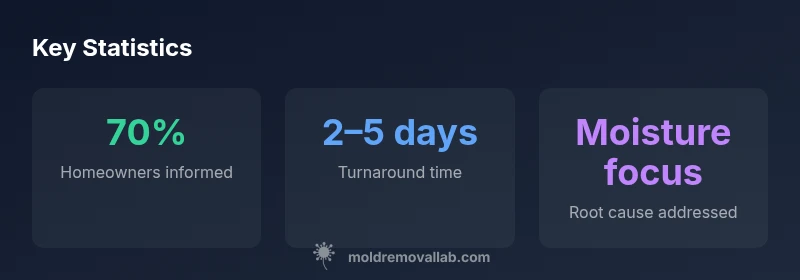
Turnaround varies by lab and scope, but most residential tests are completed within a few days after sampling. A detailed report typically follows within that window.
Most tests are done within a few days after sampling, with results provided in a detailed report.
Do I need to prep or clean before testing?
Avoid heavy cleaning around sampling sites right before testing. Leave potential moisture sources accessible so the tester can assess them, and follow the tester's instructions for sample collection.
Don’t do major cleaning right before testing; follow the tester’s prep instructions to keep samples valid.
Can renters request mold testing from a landlord?
Yes. Renters can request testing as part of a documented concern about mold or moisture. Landlords should cooperate, especially when safety and compliance are at stake. Local regulations may apply.
Renters can request testing as part of a safety concern, and landlords should cooperate where required by local rules.
What questions should I ask a tester before hiring?
Ask about credentials, sample types, lab partners, turnaround time, and post-test remediation options. Request a written report and an explanation of how they address moisture sources.
Ask about credentials, labs, sample types, turnaround, and whether they help with remediation plans.
Will mold testing alone fix a mold problem?
No. Testing identifies and documents the issue, but remediation requires moisture control and cleanup. Testing informs the plan, but action is needed to eliminate mold growth.
Testing identifies the problem and guides action, but remediation requires moisture control and cleaning.
“In humid markets like Miami, a targeted mold test is only as good as the moisture controls you implement post-remediation.”
The Essentials
- Know what to test: a combination of air and surface samples often yields the best results
- Address moisture first: remediation depends on fixing moisture sources
- Hire qualified pros: look for accredited labs and transparent reporting
- Interpret results with context: results must be paired with moisture assessments
- Plan for follow-up testing: verify remediation success before declaring victory