Yellow Mold on Bread: Safe Handling, Risks, and Prevention
Learn to recognize yellow mold on bread, understand risks, dispose safely, and prevent future growth with practical, step-by-step guidance from Mold Removal Lab.


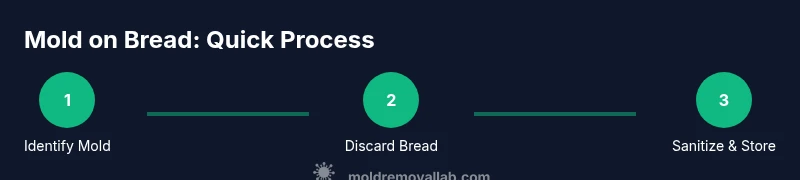
To handle yellow mold on bread safely, discard the affected loaf, sanitize the storage area, and implement airtight, cool storage to prevent recurrence. This guide explains what yellow mold indicates, when bread should be discarded, how to dispose of it without cross-contamination, and practical prevention steps you can apply today, including risk considerations for vulnerable household members.
What yellow mold on bread indicates
Identifying yellow mold on bread is a practical signal that spoilage has occurred and that the loaf is unsafe to eat. Yellow mold on bread can arise from several fungal species, and while color alone is not a definitive health verdict, it often signifies active growth and the potential release of spores and mycotoxins. According to Mold Removal Lab, yellow mold on bread is a sign of spoilage and potential health risk. This is why many households choose to discard bread when mold appears, rather than attempting to salvage parts of a loaf. Spores can become airborne and settle on nearby foods, kitchen surfaces, and utensils, increasing the chance of cross-contamination. While some molds are relatively harmless on inanimate foods, others can provoke allergic reactions or respiratory symptoms in sensitive individuals, particularly children, the elderly, and people with compromised immune systems. In most households, the safest course of action is to treat moldy bread as a safety issue and remove it from the living space promptly. After disposal, it’s wise to inspect other pantry items and storage areas for signs of spoilage, especially if bread was stored loosely or in warm, humid conditions. Beyond safety, this prompt action helps minimize lingering odors and prevents the spread of mold spores throughout the kitchen. Keeping a tight storage environment is a practical second line of defense against recurrence.
Why mold forms on bread
Bread is a hospitable substrate for mold: it contains sugars, moisture, and nutrients that mold spores feed on. When bread is exposed to warmth and humidity, spores can germinate quickly, producing visible growth within a short period. The texture of bread—soft, porous crumb—offers many tiny niches for mold to anchor and spread. If bread is left out on the counter or stored in warm, poorly ventilated spaces, mold can establish a colony that's not limited to the surface. Environmental factors such as high ambient humidity, leaky refrigeration seals, or exposure to contaminated surfaces can also contribute to mold development. Practically, this means that even a single slice left unrefrigerated for a day in a humid kitchen can become a mold risk. To reduce these risks, many households implement a simple routine: store bread in a sealed, airtight container or zip-top bag and refrigerate or freeze if it will not be consumed within a couple of days. Freezing bread slows microbial activity and can extend freshness, while still preserving taste and texture when thawed. Regularly rotating pantry items and keeping your kitchen dry are practical steps homeowners can take to minimize mold growth across foods.
Health risks and safety considerations
Mold growth on bread is not just a visual issue; it can have health implications depending on the mold species and the individual exposed. Some mold species produce mycotoxins, compounds that may irritate the skin, eyes, and lungs, or trigger allergic reactions in susceptible people. People with asthma or allergies may experience sneezing, coughing, or wheezing after exposure to mold spores, even if symptoms are mild. Infants, elderly individuals, and those with weakened immune systems are particularly at risk from mold exposure in the home. It is important to note that while not all yellow molds produce dangerous mycotoxins, the safety standard in most households is to discard moldy bread and thoroughly clean surfaces to reduce the risk of another exposure. The Mold Removal Lab team emphasizes that prevention, not remediation, is the best approach when dealing with mold in food. Spores can travel through air currents and settle on nearby foods, surfaces, or utensils, creating a potential pathway for cross-contamination if care is not taken. In homes with limited ventilation, mold spores may linger longer, underscoring the importance of good airflow and prompt cleanup.
Safe disposal and cleanup steps
Disposing of moldy bread safely is essential to prevent cross-contamination and further mold spread. Start by putting the moldy loaf into a sealed plastic bag to contain spores, then place that bag into an exterior trash bin. After removing the bag, sanitize the area where the bread was stored using an appropriate disinfectant. Wipe down countertops, pantry shelves, and any utensils that came into contact with the moldy bread, then dry surfaces thoroughly. Finally, wash your hands with soap and water for at least 20 seconds to remove any residual spores. If you found a moldy loaf among several items, check nearby foods for signs of spoilage and discard anything questionable. While it can be tempting to salvage bread with a few mold spots, the safest approach is to discard the entire loaf, especially if the mold is widespread or the bread was soft and porous.
Prevention: keeping bread mold-free
Prevention starts with how you store bread. Use airtight packages, keep bread in a cool, dry place away from heat sources, and refrigerate or freeze if you won’t eat it within a few days. When refrigerating, seal the bread to reduce moisture exposure and use a clean, dry container to avoid accumulating condensation. If you notice any signs of mold early, discard the entire loaf immediately rather than cutting away the moldy portion. Clean storage areas regularly to remove crumbs and reduce bacterial growth, which can contribute to mold development. Also, consider rotating your bread supply so older loaves are used first, which minimizes the time bread spends in suboptimal conditions. If you frequently experience mold in warm climates, you might explore freezing bread, which effectively halts mold growth and preserves quality until you’re ready to thaw. By combining proper storage with timely disposal, you can reduce mold occurrence and maintain a healthier kitchen environment.
Quick reference: mold symptoms and decision guide
Mold on bread isn’t always obvious at first glance. Look for fuzzy textures, unusual colors, or a damp feeling on bread surfaces. If you see any colored growth—yellow, green, blue, or black—treat it as a mold sign and discard the loaf. When in doubt, err on the side of safety and discard the bread, especially if you have vulnerable household members. For households with pets or children, stricter disposal and cleaning practices reduce exposure risk. The best practice is to adopt a standard rule: if bread shows mold, dispose of it immediately and sanitize surrounding areas.
userHandoffNote: This block provides the detailed reasoning and safety considerations for yellow mold on bread, aligning with Mold Removal Lab guidelines and best practices for home mold safety.
Tools & Materials
- Disposable nitrile gloves(Protects hands from mold and contamination)
- Sealant or sealable plastic bags(For disposing of moldy bread securely)
- Trash bin with lid(Outdoors preferred for odor control)
- Disinfectant (bleach solution or kitchen-safe sanitizer)(Follow label directions; 1:10 bleach in water is common)
- Paper towels(For drying and wiping surfaces)
- Soap and warm water(Handwashing after disposal)
- Optional: food-safe mold cleaner(If available; otherwise use soap and water)
- Permanent marker(Label disposed bag if needed)
Steps
Estimated time: 20-30 minutes
- 1
Assess the bread and area
Observe the loaf and surrounding pantry for mold spread. Decide if the bread should be discarded based on extent of growth and crumb structure; when doubt exists, discard to err on safety. Document whether mold patches are contained to a small area or pervasive. This assessment sets the tone for safe disposal.
Tip: If you see any extended growth, treat the entire loaf as compromised. - 2
Wear protective gear
Put on disposable gloves and consider a mask if you’re sensitive to dust or spores. Protecting your hands and inhalation pathways reduces exposure risk during handling and cleanup. Remove jewelry to prevent mold contact, and avoid touching your face during the process.
Tip: Gloves should be discarded after use; do not reuse contaminated gloves. - 3
Discard the bread safely
Place the moldy bread in a sealable bag and seal it tightly before disposing of it in an exterior trash bin. Do not attempt to cut away mold from bread, as this can spread spores through air and surfaces. Double-bagging helps contain any residual spores.
Tip: If the loaf is large, cut the bag open outside to minimize indoor exposure and then seal again before disposal. - 4
Sanitize the storage area
Wipe down the bread storage area with a disinfectant solution. Focus on shelves, containers, and any nearby surfaces that came into contact with the moldy loaf. Allow the area to air-dry completely to prevent remaining moisture from supporting new mold growth.
Tip: Use a fresh cloth or paper towel for each wipe to avoid cross-contamination. - 5
Check nearby foods
Inspect other pantry items in the same area for signs of spoilage or mold. If you find suspect items, discard them as needed and re-evaluate storage conditions for the entire space. Mold spores can travel via crumbs or air currents, so broader checking reduces risk.
Tip: Anything with visible mold should be discarded; when in doubt, throw it out. - 6
Wash hands and surfaces
Wash hands thoroughly with soap and warm water for at least 20 seconds. Clean or launder any fabrics or towels that may have contacted moldy bread. This step minimizes the chance of reintroducing mold into your kitchen.
Tip: Dry hands and surfaces completely to deter mold regrowth. - 7
Prevent future mold growth
Adopt storage practices that reduce moisture exposure: airtight containers, cool storage, and timely consumption. Consider refrigerating or freezing bread that won’t be eaten within a few days. Implement a rotation system to use older bread first.
Tip: Label bread with purchase date to track freshness and prevent waste.
FAQ
Is yellow mold on bread dangerous to eat?
In most households, yellow mold on bread indicates the bread is spoiled and should be discarded. Some mold species can produce irritants or toxins, so it is safest to avoid consumption and clean the area thoroughly after disposal.
Yes. Mold on bread generally means the bread is unsafe to eat, and you should discard it and clean the area to prevent exposure.
Can I salvage moldy bread by cutting away the mold?
Cutting away mold is not reliable for bread because mold roots can penetrate deeper than visible mold. For safety, discard the entire loaf when mold is present. If the bread was sliced, discard all slices in contact with mold.
No—salvaging moldy bread by cutting away the mold is not recommended. Discard the loaf entirely.
What should I clean after discovering yellow mold on bread?
Dispose of the moldy bread in a sealed bag, then disinfect the storage area and nearby surfaces with a suitable cleaner. Wash hands thoroughly after cleanup to avoid spreading spores.
Dispose properly, disinfect the area, and wash your hands to prevent spread.
Does refrigeration prevent mold on bread?
Refrigeration slows mold growth but can introduce moisture that promotes other spoilage. For short-term storage, use airtight containers; for longer storage, freezing bread is often the most effective option.
Refrigeration can slow mold but may cause moisture issues; freezing is great for longer storage.
How can I prevent mold in the future?
Keep bread in a cool, dry place, use airtight packaging, and consume it within a few days. If living in a humid climate, refrigerate or freeze promptly and rotate stock to use older bread first.
Store bread properly and eat it before it spoils; refrigerate or freeze if you won’t use it soon.
Are there risks for vulnerable people in my home?
Yes. Mold exposure can affect those with allergies, asthma, or weakened immune systems more severely. Take extra precautions when cleaning and ensure good ventilation during cleanup.
People with allergies or compromised immunity should be especially careful during cleanup.
If I find mold on bread but not on other foods, should I still clean the pantry?
Yes. Mold spores can travel, especially in warm, humid kitchens. Clean the pantry area, wipe shelves, and check nearby foods for signs of spoilage.
Mold spores can spread, so clean the pantry and inspect nearby items.
Watch Video
The Essentials
- Discard moldy bread safely and promptly
- Store bread properly to minimize moisture contact
- Mold can spread beyond visible areas
- Clean and disinfect surrounding surfaces after disposal
- Monitor pantry conditions to prevent recurrence