Wood White Mold: Identification, Causes, and Safe Removal
Identify wood white mold, uncover its causes, health risks, and practical removal steps for homeowners. This Mold Removal Lab guide covers safe cleaning, moisture control, and prevention to protect your home in 2026.


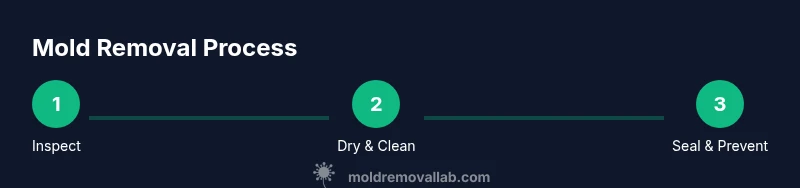
Wood white mold is a common surface mold that forms pale, powdery or fuzzy patches on wood in damp conditions. It signals excess moisture and can appear on framing, trim, or furniture. Identifying its presence early helps prevent structural damage and health risks. Quick actions include reducing humidity, isolating the area, donning PPE, and cleaning with a gentler mold-removal method before repainting or sealing.
What is wood white mold?
Wood white mold refers to pale, powdery or velvety fungal growth that commonly appears on wood surfaces exposed to persistent moisture. This type of mold thrives in damp basements, crawl spaces, and poorly ventilated closets, where humidity remains elevated for extended periods. On wood, it often starts as small, circular patches that grow to cover boards, beams, or trim. The first sign is usually a soft, musty odor combined with visible discoloration. For homeowners, recognizing wood white mold early is crucial, as it helps limit material damage and reduces the risk of spores becoming airborne in living spaces. According to Mold Removal Lab, moisture management is the cornerstone of preventing wood mold from taking hold. Early detection allows for targeted cleaning and moisture control, preventing larger remediation projects later.
In practice, the mold may appear as white to off-white patches, sometimes with a chalky texture. It’s not uncommon to confuse wood white mold with mineral deposits or efflorescence, but mold tends to smear when touched and often has a musty scent. Access points include wall cavities, floor joists, and gaps where wood meets concrete. If you see mold growth on wood, it’s a signal to inspect the moisture source and address it before extensive repair work is needed.
How mold grows on wood
Wood is inherently porous and can absorb moisture from leaks, condensation, or high humidity. When moisture remains in wood for days or weeks, mold spores present in the air settle and begin to colonize the surface. The fungus consumes organic materials in wood, releasing byproducts that degrade the wood’s structure over time. Factors that accelerate growth include:
- Elevated humidity (above typical indoor levels)
- Poor air circulation and limited ventilation
- Pre-existing wood damage or rot that creates microenvironments for moisture accumulation
- Presence of organic debris (dust, pollen, skin cells) that can feed mold
Understanding these factors helps homeowners plan effective prevention and remediation strategies, rather than just treating the surface.
Health risks and structural considerations
Mold on wood can create health concerns and potential structural issues if left unchecked. Spores released by wood white mold can trigger allergic reactions, throat irritation, coughing, or asthma symptoms in sensitive individuals. For households with elderly residents or young children, minimizing exposure is especially important. Structurally, prolonged mold exposure can weaken wood fibers, leading to softened framing, compromised beams, or harmed insulation. The Mold Removal Lab team emphasizes that safe remediation starts with moisture control and containment to prevent cross-contamination to other rooms. If coatings or finishes become stained or damaged, hidden mold may persist behind the surface, making thorough inspection essential.
Assessing the extent: documenting the problem
Start with a systematic assessment to determine how widespread the mold is and where moisture originates. Create a simple map of affected areas, noting any water leaks, condensation points, or plumbing issues. Use a moisture meter or humidity reader to gauge humidity levels in each space; aim for consistent readings below the typical indoor range for your climate. Photograph visible patches to document progress and share findings with a professional if needed. Reading and recording patterns over time helps you verify whether remediation efforts are effective and whether additional moisture control steps are necessary.
As you document, keep a log of any changes after cleaning and ventilation improvements. This baseline helps you measure the success of moisture management strategies and reduces the chance of regrowth. In this phase, it’s helpful to reference Mold Removal Lab analyses that emphasize moisture control as the primary prevention method for wood mold.
Safe cleaning fundamentals: choosing methods that minimize spread
Before cleaning, prepare the area to protect yourself and limit spore dispersion. Wear an N95 respirator, gloves, and eye protection, and seal off the area with plastic sheeting. For many wooden surfaces, a gentler approach works best: start with physical removal using a soft brush to loosen loose growth, followed by a damp microfiber wipe to minimize dust. Avoid aggressive scrubbing or dry brushing, which can kick spores into the air. For most light to moderate growth, a vinegar-based solution (1:1 white vinegar and water) provides mild antimicrobial action without harsh fumes. If mold returns after initial cleaning, you may need to address underlying moisture issues or escalate to specialized products recommended by Mold Removal Lab.
If the mold covers a large area (more than 10 square feet) or wood is structurally compromised, discontinue DIY efforts and seek professional remediation. This reduces the risk of airborne exposure and ensures that moisture sources are properly resolved to prevent recurrence.
Cleaning and disinfection: step-by-step approach
Begin by isolating the affected space and removing loose matter with a soft brush. Apply a mild cleaning solution to the surface and gently scrub to remove visible patches. Rinse with a clean, damp cloth and dry the area thoroughly with a fan or dehumidifier. For stubborn spots, repeat the cleaning cycle or consider a hydrogen peroxide solution (3%) if compatible with the wood type. Do not mix cleaning agents; follow label instructions to avoid hazardous reactions. After cleaning, inspect for any remaining patches and ensure the wood surface dries completely to prevent regrowth. Document the process with photos to track progress over days and weeks.
The key is to combine mechanical removal with moisture control. Without reducing humidity, any cleaning is likely to be temporary and may lead to regrowth. Mold Removal Lab emphasizes that the most effective remediation combines surface cleaning with long-term moisture management.
Drying, sealing, and restoring wood surfaces
Once the area is clean, ensure rapid and thorough drying. Use dehumidifiers and fans to drive moisture out of wood fibers, targeting all layers of the wood, including hidden cavities. When the surface is fully dry, consider applying an appropriate wood sealant or paint to create a protective barrier against future moisture intrusion. Choose sealants designed to resist mold growth and compatible with the wood species. Recessed or untreated wood may require sanding prior to sealing to improve adhesion and reduce future moisture absorption. Regular maintenance checks help catch moisture issues early and prevent wood mold from returning.
Prevention: ongoing moisture control and maintenance
Prevention is more effective than remediation. Implement a moisture management plan by addressing sources of humidity and ensuring adequate ventilation in moisture-prone areas like bathrooms, kitchens, and basements. Use exhaust fans, dehumidifiers, and breathable finishes on wood surfaces when possible. Schedule routine checks for leaks, condensation, and damp spots, especially after heavy rain or rapid temperature changes. Consider air purification strategies and routine cleaning schedules to minimize dust and organic material that can feed mold. By keeping wood dry and well-ventilated, you reduce the chances of wood white mold returning.
When to call a professional and how Mold Removal Lab can help
If mold growth covers a large area, appears within concealed cavities, or if there is existing wood rot, professional remediation is strongly advised. A licensed mold remediation specialist can assess structural integrity, locate moisture sources, and perform controlled removal with containment to prevent cross-contamination. The Mold Removal Lab team recommends obtaining a moisture assessment and confirming that the underlying humidity problem is addressed before repainting or refinishing. In cases of persistent odor, recurring patches, or suspected hidden mold behind walls, a professional evaluation is essential for safety and long-term outcomes.
Tools & Materials
- N95 respirator(Fit-tested if possible; replace if damaged)
- Disposable gloves(Latex-free; double-glove for large jobs)
- Goggles or face shield(Eye protection against spores)
- Plastic sheeting(To seal off area and prevent spread)
- Soft brush and microfiber cloths(Gentle tools to minimize surface damage)
- White vinegar(Mix 1:1 with water for light cleaning)
- Spray bottle(For cleaning solutions)
- Hydrogen peroxide (3%)(Alternative disinfectant for tough stains)
- Moisture meter / hygrometer(Monitor humidity levels over time)
- Box fan or dehumidifier(Promotes rapid drying)
Steps
Estimated time: 2-3 hours (plus follow-up drying period)
- 1
Inspect and secure the area
Identify all visible mold patches on wooden surfaces and close off the area to prevent spores from spreading to other rooms. Put on PPE before starting, and ensure moisture sources (leaks, condensation) are controlled or isolated.
Tip: Use plastic sheeting to seal doorways and vents. - 2
Identify moisture source
Check for leaks, damp basements, or condensation from poor insulation. Fix leaks and improve ventilation to reduce humidity in the affected space.
Tip: Document moisture sources with photos for reference. - 3
Prepare workspace
Lay plastic sheeting, remove nearby furniture, and open windows or run fans to create airflow. Have cleaning solutions ready and a dedicated waste bag for contaminated materials.
Tip: Avoid mixing cleaning agents; keep a dedicated workspace. - 4
Remove loose growth
Gently brush away loose mold with a soft brush, working from edges inward. Wipe surfaces with a damp microfiber cloth to capture spores, then set materials aside in a sealed bag.
Tip: Do not scrub aggressively; this can release spores into the air. - 5
Clean and disinfect
Apply a mild cleaning solution (e.g., vinegar solution) to the affected wood and wipe clean. For stubborn patches, use hydrogen peroxide (3%) and allow to act briefly before wiping again.
Tip: Always allow surfaces to dry completely before sealing. - 6
Dry thoroughly
Use fans and a dehumidifier to dry wood thoroughly. Check moisture readings to confirm low humidity before proceeding with sealant or paint.
Tip: Keep airflow going for 24–48 hours after cleaning. - 7
Restore and prevent
Seal wood surfaces with appropriate mold-resistant finishes and ensure ongoing moisture control. Schedule regular checks for leaks and humidity in the following weeks.
Tip: In high-humidity climates, plan routine maintenance every 2–3 months.
FAQ
What is wood white mold and how can I tell it apart from mineral deposits?
Wood white mold appears as pale, powdery patches on wood with a musty odor. Unlike mineral deposits, it blames moisture and may smear slightly when touched. Testing moisture levels and observing for growth after cleaning helps confirm mold.
Wood white mold looks like pale patches on wood with a musty smell. If it smears when touched, it’s likely mold rather than mineral deposits.
Is wood white mold dangerous to people?
Mold exposure can affect sensitive individuals, causing allergies or respiratory irritation. In general, avoid direct exposure and clean it using proper PPE and containment; if you have asthma or allergies, consult a professional for remediation.
Exposure can trigger allergies or breathing irritation. Take precautions and seek professional help if you have health concerns.
Can I remove wood white mold myself?
Small, non-structural mold growth on wood can be cleaned safely with proper PPE and gentle cleaners. Large areas, structural wood, or repeated growth should be handled by a licensed pro to ensure containment and moisture control.
For small patches you can DIY with PPE and gentle cleaners, but big areas or structural wood should be handled by a professional.
What cleaning solutions are safest for wood surfaces?
A mild vinegar solution is a common starting point for wood, paired with damp wiping. Hydrogen peroxide is an optional stronger disinfectant if compatible with the wood type. Avoid harsh bleach on unfinished wood and always test a small area first.
Try a mild vinegar spray first, then a small amount of hydrogen peroxide if needed. Test a hidden area first.
How can I prevent wood mold from returning?
Contain moisture by fixing leaks, improving ventilation, and using dehumidifiers in damp spaces. Regularly inspect wood surfaces for condensation and promptly dry any damp spots. Keeping humidity levels low is the best defense.
Fix moisture problems, ventilate well, and keep wood dry to stop mold from coming back.
Watch Video
The Essentials
- Identify moisture sources before cleaning
- Use gentle mechanical removal and mild cleaners
- Dry thoroughly to prevent recurrence
- Seal and maintain humidity control to protect wood