White Mold on Ground: Practical Remediation Guide
Learn to identify, assess, and safely remediate white mold on ground with moisture control, cleaning steps, and long-term prevention from Mold Removal Lab.


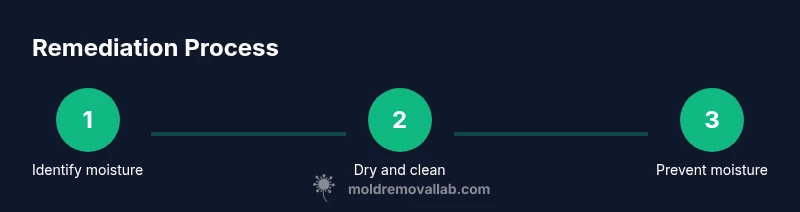
White mold on ground is typically mold growth caused by excess moisture on concrete or soil. To address it, isolate the area, wear PPE, and fix moisture sources. Dry the surface, clean with soap and water, then disinfect with hydrogen peroxide if the surface is safe. For large areas or recurring growth, consult a professional.
Understanding White Mold on Ground
White mold on ground is a common sign of excess moisture in basements, crawl spaces, garages, or ground-level floors. It often appears as powdery or cottony patches that can spread across concrete, tile, or packed soil. While not all white growth is harmful, it signals conditions that favor mold proliferation and warrants prompt attention. According to Mold Removal Lab, indoor mold problems almost always stem from moisture imbalance, not simply from the presence of mold spores. Recognizing the signs early helps homeowners act quickly to prevent structural damage and health risks.
In most homes, white mold on ground starts where moisture lingers after rain, plumbing leaks, or high humidity. The mold may feed on dirt, mineral deposits, or organic debris, then release spores into the surrounding air. People may notice a musty odor, damp walls, or cold spots near the affected area. The key is to identify and fix the moisture source while avoiding actions that spread spores to other rooms. The Mold Removal Lab team emphasizes moisture control as the first line of defense against this issue.
Health and Safety Considerations
Working with mold can irritate the eyes, nose, throat, and lungs, especially for people with allergies or asthma. Always wear appropriate PPE, including gloves, a respirator suitable for particulates, and eye protection. Ensure good ventilation by opening windows or using fans directed away from living spaces. If the ground is damp or mold is spreading to adjacent rooms, shut off HVAC intake in the affected area to minimize cross-contamination. The Mold Removal Lab guidelines stress that protecting occupants and yourself is a non-negotiable first step before any cleaning.
Do not attempt to clean large indoor mold growth without proper PPE or professional assistance. If you have a compromised immune system, young children, or pets, consider delaying work until you can arrange safer conditions. After remediation, wash contaminated clothes separately and wash hands thoroughly.
Common Causes and Prevention
White mold on ground thrives where moisture remains: leaks from pipes, runoff from gutters, poor drainage, or high ambient humidity. Soil or dirt can retain moisture, creating an ideal environment for mold spore development. Preventive strategies focus on moisture control: fix leaks promptly, redirect water away from foundations, seal cracks in concrete, improve drainage around the home, and maintain indoor humidity below 60 percent (ideally 30–50 percent in damp areas). Consistent attic and crawl-space ventilation helps reduce hidden moisture. Mold Removal Lab analyses show that keeping moisture in check dramatically lowers recurrence risk when combined with routine inspections and early cleaning.
Surface-Specific Guidelines: Concrete, Soil, and Pavers
Different ground surfaces require specific approaches. Freshly poured concrete or bare soil can absorb moisture, so drying and sealing are essential. For concrete, start by removing loose buildup with a stiff brush and soapy water, then rinse. For packed soil or dirt, surface cleaning is limited; focus on eliminating moisture and improving surface drainage before any cleaning, as cleaning can stir up spores if not done carefully. Pavers should be checked for gaps that trap water; reseal or regrade to promote runoff. Always test a small, inconspicuous area first to ensure cleaners do not damage the surface. The goal is to reduce moisture availability and prevent future outbreaks of white mold on ground.
Cleaning and Disinfection: What Works (and What Doesn't)
Soap and water are often enough for light, surface-level mold on ground, followed by thorough drying. For more resistant patches, hydrogen peroxide (3%) is a common, surface-friendly disinfectant that can help reduce mold spores without harsh chemical reactions on many substrates. Avoid bleach on porous ground like concrete with dirt or soil, as it can degrade the surface and create residues that feed new mold. Always follow safety guidelines and ensure adequate ventilation. If the area is porous or damaged, consider professional removal strategies instead of DIY methods.
Long-Term Moisture Control and Home Maintenance
The most effective mold prevention combines rapid moisture repair with ongoing maintenance. Inspect gutters, downspouts, and grading to ensure water drains away from the foundation. Use a dehumidifier in damp spaces and monitor humidity with a reliable gauge. Address any condensation issues around windows or pipes promptly. A recurring white mold on ground indicates a persistent moisture cycle that demands a systematic fix rather than a one-off cleaning.
When to Call a Professional
If white mold on ground covers a large area (more than a few square feet), recurs after cleaning, or is accompanied by health symptoms such as persistent cough, wheeze, or headaches, seek professional remediation. A licensed mold specialist can assess hidden moisture sources, provide targeted removal, and advise on moisture control strategies unique to your home. Early consultation can reduce the risk of structural damage and health concerns over time.
Authoritative Sources
For further reading and official guidance, consult:
- https://www.epa.gov/mold
- https://www.cdc.gov/mold/dampness_facts.html
- https://www.osha.gov/molds
Tools & Materials
- Nitrile gloves(at least 4 mil thickness)
- N95 respirator or higher(fit-tested if possible)
- Safety goggles or face shield(protect eyes from spores)
- Scrub brush or stiff broom(for surface cleaning)
- Mild detergent or soap(for initial cleaning)
- Hydrogen peroxide 3% solution(as a disinfectant)
- Spray bottle and spray nozzle(for even application)
- Dehumidifier or fans(to promote drying)
Steps
Estimated time: 2-3 days (including drying time)
- 1
Identify moisture source and isolate area
Locate the moisture cause (leak, condensation, poor drainage) and close off the contaminated zone to prevent spores from spreading. This helps protect other rooms and reduces cross-contamination during cleanup.
Tip: Mark the boundary with tape to keep others out during remediation. - 2
Gather PPE and cleaning supplies
Assemble all PPE and cleaning tools before starting to minimize trips in/out of the affected space. This reduces exposure and ensures you have everything you need for the cleanup.
Tip: Check respirator fit and replace filters if damp. - 3
Dry the area to below 60% humidity and promote airflow
Use fans and a dehumidifier to reduce humidity and speed up drying. Aim for surface moisture below 60% relative humidity and ensure the area remains dry for at least 24–48 hours after cleaning.
Tip: Place dehumidifier near the center of the area and keep doors open to circulate air. - 4
Clean the ground surface with soap and water
Scrub the affected area with a stiff brush and a mild detergent solution to remove visible mold. Rinse with clean water and dry thoroughly before applying any disinfectant.
Tip: Rinse tools after use to prevent cross-contamination. - 5
Disinfect the surface with hydrogen peroxide
Apply a 3% hydrogen peroxide solution to the affected area, allowing it to sit for several minutes before wiping. This helps reduce remaining spores without harsher chemicals that could harm porous surfaces.
Tip: Test a small area first to confirm surface compatibility. - 6
Repair moisture sources and improve drainage
Repair leaks, install better drainage, and adjust grading so water drains away from the foundation. This step prevents recurrence and protects your investment.
Tip: Check after rains for any signs of standing water. - 7
Monitor for regrowth and document
Check the area weekly for the next 4–6 weeks and record humidity levels. If new growth appears, repeat cleaning and moisture control promptly to prevent a full return.
Tip: Keep a simple moisture log to spot patterns.
FAQ
What is white mold on ground?
White mold on ground is a mold growth pattern that appears on concrete, soil, or similar surfaces due to persistent moisture. It indicates a moisture problem that needs attention and remediation.
White mold on ground is mold growth caused by moisture; addressing moisture is the first step.
Is white mold on ground dangerous?
Mold exposure can affect sensitive individuals and cause allergies or respiratory symptoms. The level of danger depends on exposure duration, the amount of mold, and individual susceptibility. It’s safest to address moisture and clean the area promptly.
Exposure can irritate lungs and airways; address moisture and clean the area quickly.
Can I use bleach to treat white mold on ground?
Bleach is not recommended for treating mold on porous ground like concrete with dirt or soil, as it can damage the surface and leave residues that promote regrowth. Use soap and water first, then a tested disinfectant appropriate for the surface.
Bleach isn’t ideal for porous ground; use safer disinfectants after cleaning.
How long does remediation take?
Remediation time varies by area; expect several hours for cleaning plus 24–48 hours of drying, followed by ongoing moisture monitoring for several weeks to prevent recurrence.
Cleaning plus drying can take a couple days, with ongoing monitoring afterward.
Should I call a professional for large areas?
Yes. If white mold on ground covers a large area, keeps returning after cleaning, or if occupants have health sensitivities, a professional remediation specialist can identify hidden moisture sources and provide targeted removal.
For large or persistent growth, a professional is advised.
What are the best prevention practices?
Manage moisture year-round by fixing leaks quickly, maintaining drainage away from foundations, using proper ventilation, and keeping indoor humidity below 60 percent. Regular inspections help catch problems early.
Control moisture year-round and inspect regularly to prevent mold return.
Watch Video
The Essentials
- Identify and fix moisture sources first.
- Dry thoroughly to inhibit mold regrowth.
- Use PPE and safe cleaners; avoid harsh chemicals on porous surfaces.
- Implement long-term moisture control to prevent recurrence.
- Consult a professional for large or persistent growth.