Which Coffee Has Mold in It? A Practical Mold-Guidance Guide
Learn how mold can appear in coffee, how to identify contamination, and proven storage and handling steps to reduce risk. Mold Removal Lab explains safe practices from beans to brewed cups.


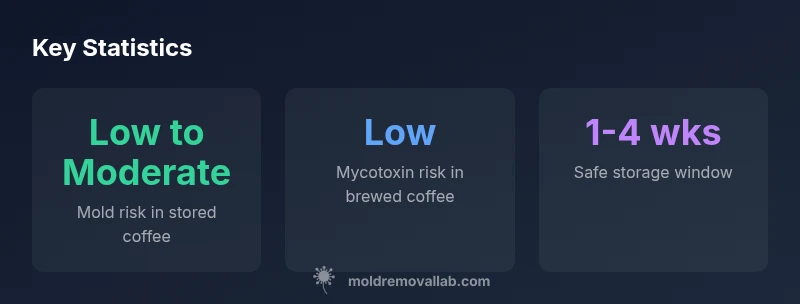
Yes—coffee can harbor mold if it’s stored damp, exposed to moisture, or contaminated during processing. Mold growth is more likely in poorly sealed bags, stale grounds, or brewed coffee left at room temperature. Some molds release mycotoxins, though health risk depends on exposure level and individual sensitivity. For most households, mold risk is minimized by proper storage and timely brewing.
Understanding coffee mold: what it is and why it matters
Mold in coffee is not a single contaminant but a community of molds that can develop when moisture, warmth, and organic matter come together. The most common culprits are species in the genera Aspergillus and Penicillium, which may grow on exposed beans, ground coffee, or even stale brewed coffee left at room temperature. While many molds are harmless on dry coffee, some produce mycotoxins under certain conditions. The health risk depends on exposure level, duration, and individual susceptibility. In practical terms, the question "which coffee has mold in it" often comes down to storage and handling more than the specific brand, origin, or roast level. According to Mold Removal Lab, preventing moisture intrusion and promptly using or discarding suspect batches is the most reliable defense. For context, environmental health researchers emphasize that most consumer exposures are low when coffee is properly stored and brewed. See guidelines from public health agencies for broader context on mold and health risks: CDC, NIH/NIEHS, and EPA resources.
If you notice a sour or musty smell, unusual taste, or visible mold on any coffee product, treat it as a contamination risk and discard the batch. Do not rely on roasting, grinding, or brewing steps to neutralize potential toxins if the product is obviously compromised. The goal is to minimize exposure through mindful purchasing, storage, and preparation practices that fit your household routine.
The coffee supply chain: where mold tends to slip in
Mold risks begin long before your morning cup. In the bean or ground form, moisture can enter through damaged packaging, improper sealing, or contact with humid environments during storage. Processing steps such as cleaning, drying, and roasting do reduce some microbial presence, but mold spores can re-enter if beans are stored in damp spaces after roasting. During shipping and warehousing, temperature fluctuations and condensation can create micro-habitats for mold. On store shelves, porous packaging or compromised seals increase the odds that moisture and air meet the coffee. Finally, in homes, improper storage—like leaving beans in an opened bag on the counter—adds a second wave of exposure. Actionable takeaway: prioritize airtight storage, cool and dry conditions, and purchase from reputable suppliers who use moisture-controlled packaging. Mold Removal Lab highlights that cross-contamination is unlikely to occur from a single bag, but repeated exposure can compound risk over time.
Public health sources emphasize that mold and mycotoxins pose greater risk to sensitive individuals and those with compromised immune systems. While most households will never encounter harmful levels, vigilance remains prudent. See EPA and CDC guidelines for safe handling of mold in consumer products and indoor environments.
Storage, sealing, and the importance of freshness
The bulk of mold risk in coffee arises from moisture and time. Proper storage is the simplest, most cost-effective shield. Use airtight containers with silicone seals or vacuum-sealed bags, and keep them in a cool, dark place away from heat and humidity. Ground coffee oxidizes faster than whole beans, so transfer opened bags to an opaque, airtight container and label with the purchase date. For those who brew daily, consider buying smaller quantities more frequently to ensure freshness and reduce the window for mold growth. Refrigeration can be used for longer storage plans, but only if the bag or container is truly moisture-free and airtight. Always check packaging integrity; a swollen bag or damp feel is a red flag. Mold Removal Lab notes that consistent, moisture-free storage drastically reduces mold risk across the supply chain.
Brewing and handling practices to reduce risk
Brewing temperature and contact time can influence mold exposure, but more impactful is the handling of coffee before brewing. Start with clean grinders and storage containers. Grind just before brewing to preserve aroma and reduce mold-friendly surface exposure. If you store brewed coffee, keep it refrigerated and avoid leaving it at room temperature for more than a few hours. When in doubt about a batch, test by visual inspection and smell; if the coffee smells off or shows visible mold, discard it. For households with vulnerable individuals, these precautions are even more important because they minimize exposure to any potential molds or toxins. Public health guidance supports a cautious approach: when in doubt, throw it out and start fresh with properly stored beans or grounds.
Common myths debunked: mold myths vs. reality
Myth: All mold in coffee is dangerous. Reality: Many molds are innocuous in dry coffee, and the risk escalates mainly when moisture and toxins are present. Myth: Roasting eliminates mold toxins. Reality: Roasting may kill live molds, but some mycotoxins survive heat. Myth: If coffee tastes fine, it’s safe. Reality: Sensory clues do not reliably indicate toxin presence. Myth: Freezing coffee prevents mold. Reality: Freezing can slow growth but won’t guarantee safety if contamination already exists. By focusing on moisture control, freshness, and clean equipment, you reduce risk more effectively than relying on a single preventive step.
Disposal and sanitation: cleaning gear and surfaces
If you suspect mold contamination in coffee beans, grounds, or equipment, isolate the batch and inspect your storage containers, grinders, and brewing gear for dampness and residue. Wash containers with hot water and mild detergent; dry completely before refilling. Regularly inspect your pantry for condensation, especially in humid climates. Clean and dry your coffee equipment thoroughly after each use, paying attention to grinds and gasket areas where moisture can linger. The goal is to interrupt any mold-friendly microenvironments before they take hold. Mold Removal Lab recommends routine checks as part of a broader mold-prevention routine for kitchens and coffee stations.
When to seek further guidance and safe-action steps
If you suspect a significant contamination event—especially in households with immunocompromised individuals—consult local health authorities or a certified environmental health professional. For day-to-day risk reduction, prioritize moisture control, freshness, and proper disposal of suspect products. You can also review trusted government and university resources for mold health information to inform your decisions and stay current on best practices.
Storage and mold risk by coffee form
| Coffee Form | Mold Risk (storage) | Best Practice | Notes |
|---|---|---|---|
| Whole beans (sealed) | Low risk | Store in original bag or airtight container; keep in a cool, dry place | Minimize moisture exposure; buy fresh beans |
| Ground coffee (opened) | Moderate risk | Transfer to airtight container; use within 1-2 weeks | Higher surface area increases exposure |
| Instant coffee | Low risk if sealed | Store in sealed container; protect from moisture | Less prone to mold when kept dry |
FAQ
Can mold in coffee cause illness?
In most healthy individuals, exposure to mold in coffee is low risk if handled properly. Some molds can produce mycotoxins, which pose higher concerns for sensitive populations or with high exposure. Prioritize moisture control, freshness, and discard any suspect batches.
In healthy people, mold in coffee is usually a low risk if you store and brew it properly.
Does brewing kill mold or mycotoxins in coffee?
Brewing heat can kill many live molds, but certain mycotoxins may persist despite brewing. The risk is lower when you start with dry, uncontaminated beans and avoid moisture during storage.
Brewing helps with live molds, but toxins can survive heat, so start with clean, dry coffee.
How can I tell if coffee has mold?
Visible mold, unusual musty odor, or off-t flavors are red flags. If you notice these signs, discard the batch and inspect storage containers and grinders for moisture. For reassurance, consult health resources if symptoms arise.
Look for visible mold or off smells; when in doubt, discard.
Is mold more likely in brewed coffee left out?
Yes; leaving brewed coffee out can promote microbial growth. Refrigerate leftovers within two hours and discard after 24 hours for best safety.
Leftover coffee sitting out longer than a couple hours should be discarded.
What storage practices minimize mold risk?
Store whole beans or grounds in airtight, moisture-proof containers in a cool, dry place. Buy fresh, seal promptly after opening, and avoid humidity-prone environments.
Keep coffee sealed tight and away from moisture.
Should I discard coffee if a bag seems damp or swollen?
Yes. Damp or swollen bags indicate moisture exposure; discard the product and clean any potentially affected storage areas to prevent cross-contamination.
If the packaging looks damp or swollen, throw it away and check your storage setup.
“When it comes to mold in coffee, prevention hinges on moisture control and timely use; even trace contamination can become a health risk in sensitive individuals.”
The Essentials
- Store coffee in airtight containers away from moisture
- Use fresh grounds and avoid damp storage
- Discard moldy or off-smelling coffee immediately
- Refrigerate brewed coffee if not consumed promptly
- Check packaging for moisture and reseal properly