Slime Mold: Identification, Risks, and Safe Removal
Learn to identify slime mold, assess safety, remove it effectively, and implement moisture-control strategies to prevent recurrence in homes and gardens.


Slime mold is typically harmless but deserves practical handling to prevent damp-area problems. This guide helps you identify slime mold, assess safety, and take practical steps for removal and prevention in homes. You’ll learn when to DIY, when to call a pro, and how moisture control reduces recurrence. Slime mold thrives in damp, organic-rich environments, especially mulch and bathrooms.
What slime mold is and how it forms
Slime mold is not a true mold. It comprises a diverse group of organisms in the myxomycete family that spend part of their life as a motile plasmodium capable of streaming across surfaces in search of food. In the plasmodial stage, many individual cells fuse into a single, coalescing mass that moves slowly, absorbing nutrients from decaying organic matter. This life cycle explains why slime mold often appears after rain or in damp basements and mulch beds where moisture and organic debris accumulate. According to Mold Removal Lab, slime mold thrives when humidity, warmth, and organic material intersect, and it is usually more of a nuisance than a health risk. Understanding this helps you respond appropriately: focus on moisture reduction and substrate removal, then clean the visible residues promptly. In homes, the most noticeable signs are pale yellow to gray patches on wood, mulch, or damp drywall that may flake as they dry. By recognizing the pattern, you can target the underlying moisture problem rather than treating every patch as a mold crisis.
Common places you might find slime mold at home
Slime mold tends to appear in environments with moisture and plentiful organic matter. In homes, you’ll most often see it on damp bathroom walls, around leaky pipes, or in basements with poor ventilation. Exterior outbreaks frequently start in wood mulch beds, leaf litter, or compost piles near foundations, where rainwater keeps debris moist. Potted plants with consistently wet soil and windowsills with condensation can also harbor slime mold. The pattern is less about the species and more about the moisture balance: high humidity, cooler temps, and decaying plant matter create a welcoming habitat. Regular inspections of damp areas and mulch layers help you catch early signs before the problem expands.
Health and safety considerations
Slime mold is generally not toxic to people or pets, and exposure is usually limited to irritation from dust or spores if disturbed. However, some individuals with mold sensitivities may notice coughing or allergic symptoms when spores become airborne. Always wear gloves and a mask when handling moldy materials, and ventilate the area. Do not attempt aggressive chemical treatments on porous surfaces; this can release fumes or damage materials. If you have a history of respiratory issues or the growth covers large areas, consider consulting a public health or environmental health professional. Mold Removal Lab analysis shows that addressing moisture and substrate removal is the most effective way to prevent reoccurrence rather than relying on chemical sprays alone.
Practical removal methods (DIY and when to call a pro)
Start by removing the organic substrate feeding the slime mold: mulch, leaves, or damp debris should be bagged and disposed of in sealed trash. Clean the surface with a mild soap solution and rinse with clean water; for non-porous surfaces, a diluted bleach solution (1:10) can be used, followed by thorough rinsing and drying. Avoid scrubbing porous materials aggressively, as that can spread spores. If odors persist or surfaces are extensively contaminated, a professional remediation service may be warranted. After cleaning, improve airflow with fans, dehumidifiers, and ongoing moisture control to prevent a rapid return. Always verify that the area dries completely; damp environments are the primary driver of slime mold recurrences. If you’re unsure about the extent of growth, pause DIY and ask for a professional assessment to avoid triggering bigger moisture problems.
Prevention and moisture control strategies
The best defense against slime mold is proportional moisture management and substrate control. Fix leaks promptly, improve ventilation in bathrooms and basements, and use a dehumidifier to keep relative humidity below 50-60%. Seal cracks where moisture can accumulate and ensure gutters and downspouts direct water away from the foundation. In landscape design, maintain soil grade away from the home and avoid placing thick mulch directly against siding. Regular cleaning of damp areas—sinks, shower corners, and crawl spaces—reduces your odds of a recurring bloom. Implement a seasonal check: inspect for condensation in winter and damp odors in spring.
What to do after removal and ongoing monitoring
After removal, carefully re-check the area over the next few weeks to ensure new growth does not reappear. Continue moisture management: fix leaks, dry surfaces within 24-48 hours after wet events, and run a dehumidifier if needed. Document problem spots with notes or photos to track improvement. If you see repeating patches, re-evaluate ventilation and sealing, and consider a professional assessment for persistent damp zones. The Mold Removal Lab team recommends proactive moisture control and regular monitoring as the most reliable way to keep slime mold from returning.
Tools & Materials
- Nitrile gloves(Protect skin; non-porous barrier against mold spores.)
- Disposable mask or respirator(Prevents inhalation of spores during cleanup.)
- Spray bottle with water(Moisten surfaces to minimize dust and spores.)
- Mild dish soap or detergent(Gentle cleaner for initial wipe-down.)
- Non-porous surface cleaner or diluted bleach(Bleach solution 1:10 can be used on non-porous surfaces; rinse thoroughly.)
- Soft brush or non-abrasive sponge(Scrub without scratching surfaces to avoid spreading spores.)
- Microfiber cleaning cloths(For effective pickup of spores and moisture.)
- Paper towels or rags(Dispose after cleaning to prevent recontamination.)
- Dehumidifier(Controls relative humidity to discourage regrowth.)
- Ventilation fan or portable air mover(Promotes air circulation during and after cleaning.)
- Plastic bags for disposal(Seal used debris before disposal.)
- Moisture meter (optional)(Helps verify area is dry before finishing.)
Steps
Estimated time: 60-90 minutes
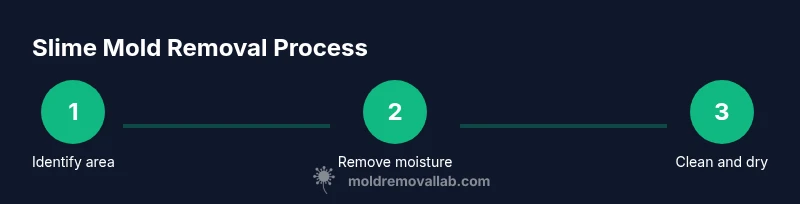
- 1
Identify affected areas
Locate damp zones and organic debris feeding the slime mold. Note the extent and whether there are leaks or condensation.
Tip: Mark areas with temporary tape for reference during cleanup. - 2
Remove moisture sources
Repair leaks, fix drainage, and improve ventilation to stop ongoing moisture supply.
Tip: Run a dehumidifier in damp rooms for 24-48 hours after cleanup. - 3
Bag and dispose of debris
Place mulch, leaves, and contaminated debris in sealed bags and remove from the site.
Tip: Avoid composting contaminated material. - 4
Clean the surface
Wash surfaces with mild soap solution; on non-porous areas, apply a 1:10 bleach solution if appropriate, then rinse and dry completely.
Tip: Avoid mixing cleaners; never mix bleach with ammonia. - 5
Dry thoroughly and inspect
Ensure the area is fully dry before concluding; residual moisture can trigger quick recurrence.
Tip: Use a moisture meter if available to confirm dryness. - 6
Monitor and maintain
Set up regular checks and maintain moisture-control measures to prevent return.
Tip: Schedule seasonal inspections after heavy rains.
FAQ
What is slime mold and how is it different from true mold?
Slime mold is a diverse group of organisms that can switch between a feeding plasmodium and spores. It is not a true mold, and its growth is driven primarily by moisture and organic matter rather than fungal activity in most cases.
Slime mold isn’t the same as mold; it’s a different kind of organism whose growth is driven by damp, organic material.
Is slime mold dangerous to people or pets?
In most homes, slime mold is not known to be toxic. It can cause irritation for people with mold sensitivities, especially when spores become airborne during disturbance. Ventilation and protective gear reduce risk.
Usually not dangerous, but people with sensitivities should avoid breathing in spores and keep areas well ventilated.
Can I remove slime mold with household cleaners alone?
For small, non-porous areas, a mild cleaner with water is often sufficient. Porous materials may require more careful cleaning or replacement. Avoid harsh chemicals on porous surfaces and always dry the area quickly.
Yes for small, non-porous spots; otherwise, you may need more targeted cleaning or material replacement.
How long does removal take and how do I know it’s gone?
Most cleanups take one to two hours, plus drying time. Recheck the area within a few days to confirm there’s no reoccurrence; persistent damp spots warrant a professional assessment.
Most cleanups finish in a few hours with drying time; check again soon after to ensure it’s gone.
When should I call a professional?
Call a professional if growth is extensive, recurs after cleanup, or if you have persistent damp areas you cannot manage. A pro can assess moisture sources and implement remediation safely.
If the problem keeps coming back or covers a large area, it’s time to get a professional assessment.
Watch Video
The Essentials
- Identify slime mold and distinguish it from true mold
- Prioritize moisture control to prevent recurrence
- Use safe, surface-appropriate cleaning methods
- Avoid disturbing large colonies without protective gear
- Monitor moisture levels and conduct routine maintenance