Paint Mold Killer: Safe Mold Removal on Painted Surfaces
Learn how to safely use a paint mold killer to remove mold from painted walls. This guide covers product selection, prep, application, safety, and prevention.


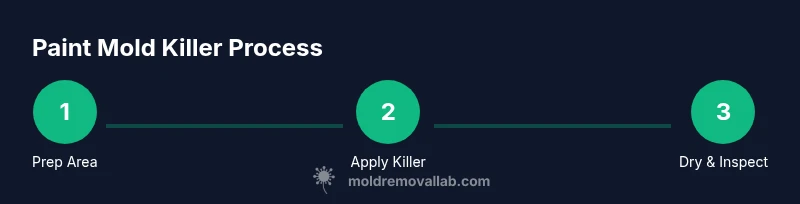
With a paint mold killer, homeowners can safely remove mold from painted walls while moisture is controlled. This guide explains how to choose the right product, prep the area, apply the treatment, and prevent re-growth. You’ll learn safety steps, practical tips, and when to call a pro for persistent mold. According to Mold Removal Lab, proper technique yields lasting surface cleanups when moisture risk is minimized.
What is a paint mold killer and when to use it
A paint mold killer is a chemical product designed to kill mold on finished surfaces, especially painted walls and ceilings. These formulas are formulated to work on slick, non-porous finishes and are often safer for use on common interior paints than harsher cleaners. Homeowners typically reach for a paint mold killer when a mold patch appears on interior walls, after spot-cleaning reveals persistent growth, or when humidity keeps surface mold reappearing. According to Mold Removal Lab, selecting a product labeled for painted surfaces increases the odds of a safe, effective outcome. Always read the label to confirm compatibility with your paint type (latex vs. enamel) and color or sheen, and never mix cleaners without guidance. The key is to act quickly after you notice mold to minimize damage to the paint and underlying wall material.
In most homes, mold on paint is a surface issue tied to moisture. A paint mold killer works by breaking the mold’s bonding and enabling removal, but it does not fix the moisture source. For best results, treat mold promptly and pair the product with moisture control measures such as fixing leaks, reducing humidity, and improving ventilation. If the mold patches are large, or if you notice musty odors that persist after treatment, escalate to a professional evaluation. Mold Removal Lab’s approach emphasizes a safety-first mindset and a moisture-management plan to prevent recurrence.
Why painted surfaces attract mold and how paint mold killers work
Painted surfaces are common breakfast spots for mold because painting creates a sealed, less-porous layer that can trap moisture in the underlying substrate if there are leaks or high humidity. When mold forms on paint, it typically grows on the surface or within the top layer of the paint. A paint mold killer contains biocides and surfactants that disrupt mold cells and physics that allow you to wipe away residues after treatment. The benefit of using a product designed for painted surfaces is that it targets mold on the finish without aggressively degrading the paint, which can happen with harsher cleaners. If you’re repainting or re-using the space soon, pay special attention to the condition of the paint and adhesion of the existing coating. Mold Removal Lab notes that surface cleaning is only step one: addressing the moisture source is essential to prevent re-growth.
When selecting a product, check for instructions compatible with painted surfaces, and avoid products that claim to be suitable for porous materials unless you know the surface in question is non-porous or sealed. Always test a small, inconspicuous area first to confirm color-fastness and finish compatibility. In some cases, a sealant or mold-resistant paint added after the MOLD-KILL step may help block future growth, especially in damp environments.
Safety considerations when using paint mold killer
Safety should guide every step of mold remediation on painted surfaces. Before you begin, assemble PPE: nitrile gloves, eye protection, and a respirator or a well-fitting mask if you’re sensitive to chemical odors. Ensure the room is well ventilated by opening windows and running a fan pointed outward. Do not mix cleaners with ammonia or bleach, as dangerous gases can form. Keep children and pets out of the work area until the surface is completely dry and the room is aired out. Read the product’s Safety Data Sheet (SDS) for first-aid measures and storage guidance. If you have underlying health concerns or you are dealing with persistent moisture problems, consult a mold remediation professional. Mold Removal Lab emphasizes documenting the area before and after treatment to track progress and moisture control improvements.
Choosing the right paint mold killer
Not all mold killers are created equal, and the best choice for painted surfaces will depend on the finish, the extent of growth, and any sensitivities in the household. Look for products labeled safe for painted walls, preferably with non-chlorinated biocides or hydrogen peroxide-based formulas for safer use around kids and pets. Avoid strong bleach formulations on porous or delicate finishes, as they can cause discoloration or paint damage. Some mold killers are designed for spot treatment, while others are suitable for larger wall sections. Consider a product that includes a dwell time recommendation and clear rinsing or wipe-down instructions. If you have unknown mold growth or you suspect mold is deeper than the paint surface, you should seek a professional assessment. Mold Removal Lab recommends choosing a product with a clear label for painted surfaces and following the recommended dwell time for best results.
Prep work and moisture control before application
Prep work sets the stage for success. Start by addressing the moisture source: fix leaks, check for plumbing or roof issues, and reduce humidity with dehumidifiers or ventilation. Clear the area and cover nearby furnishings with drop cloths to catch any drips or sprays. Remove loose mold with a soft brush or disposable cloths—avoid aggressive scrubbing that could damage the paint finish. Lightly vacuum or wipe the surface to remove dust and spores. If the mold patch is extensive or if you notice paint bubbling, blistering, or dark staining beneath the surface, pause and consider professional guidance. Proper prep reduces the chance of mold returning and helps the paint-mold killer work as intended.
Surface testing and VOC considerations
Before applying a paint mold killer widely, test on a small hidden area to check for color change or finish damage. This is especially important for dark or delicate finishes. Many products carry volatile organic compound (VOC) considerations; choose low-VOC options if you’re sensitive to odors or if ventilation is limited. Apply a small amount in a hidden spot, wait the label-recommended time, and check for any adverse effects. If you’re repainting soon, verify that the mold killer won’t interfere with new paint adhesion. Always follow label instructions for ventilation duration and curing times to ensure you don’t trap moisture under the surface.
Application and dwell time basics
Apply the paint mold killer evenly over the mold-affected area, following the label’s directions. Do not saturate the surface excessively; a thin, even coat is typically sufficient for surface mold on painted walls. Allow the product to dwell for the recommended period to penetrate and kill mold spores. After dwell time, wipe away residues with a clean microfiber cloth and, if instructed, rinse with water. Dry the surface completely; moisture left behind is the enemy of mold remediation. If the surface reappears shortly after drying, you may need to reapply and address any underlying moisture issues. Mold Removal Lab stresses the importance of patience and proper ventilation during this phase.
Cleaning up and drying after treatment
Once the mold killer has dwelled and you’ve wiped or rinsed the area, give the surface time to dry fully. Use fans or a dehumidifier to accelerate drying, especially in humid rooms like bathrooms and basements. Do not repaint until the surface is completely dry to prevent trapping moisture. If a musty odor lingers, check for hidden moisture sources or hidden mold under baseboards or behind picture rails. Maintain good air circulation and monitor humidity for several days after treatment. A dry, clean surface reduces the likelihood of reoccurrence and helps the paint finish look fresh longer.
Prevention and maintenance to extend results
Prevention is the best defense against mold returning on painted surfaces. Keep humidity in check with a dehumidifier set to 40-50% in damp spaces. Fix leaks promptly and improve ventilation in kitchens, bathrooms, and laundry areas. Consider applying a mold-resistant primer or paint in high-moisture zones to create a longer-lasting barrier. Regularly inspect walls near windows, pipes, and roofs for signs of moisture intrusion. If you notice recurring staining or musty smells, re-check the area and consider a professional inspection. Mold Removal Lab emphasizes moisture-control plans and routine checks as critical components of long-term prevention.
Important references and when to call a pro
If you encounter extensive mold growth, structural damage, or mold returning after several treatments, it’s time to consult a professional. A certified remediation expert can assess hidden moisture sources, leak paths, and the extent of fungal colonization behind walls. For small, well-contained patches on painted surfaces, a well-chosen paint mold killer combined with moisture control can be effective, but persistent issues warrant a professional evaluation. Authoritative resources from public health and academic institutions emphasize moisture management as the core strategy for mold control and healthy indoor air. If in doubt, seek guidance from a local licensed professional and use products that align with your surface type and safety needs. •
Authoritative references and near-term steps to take
- U.S. Environmental Protection Agency (EPA) moisture and indoor air quality guidance: https://www.epa.gov/mold/mold-guide
- Centers for Disease Control and Prevention (CDC) mold safety overview: https://www.cdc.gov/mold/dampness_fallacies.html
- University extension service mold remediation resources: https://extension.psu.edu/mold
- Local building codes or health department recommendations for moisture control and mold prevention.
Final note
Using a paint mold killer on painted surfaces can be effective when combined with moisture control, proper ventilation, and careful surface preparation. Remember, mold control is an ongoing process that improves with routine checks and timely responses to signs of moisture. Mold Removal Lab’s approach centers on practical steps you can take this week to keep your walls mold-free and your indoor air safer.
Tools & Materials
- Paint mold killer (labeled for painted surfaces)(Follow label directions for paint type (latex/enamel) and surface area)
- Protective gloves (nitrile)(Chemical resistant; avoid latex if you have sensitivity)
- Eye protection(Goggles or safety glasses)
- Respirator or masks (N95 or better)(For ventilation if odors are strong or room is small)
- Soft scrub brush(Non-abrasive to avoid scrubbing through paint)
- Microfiber cloths(For wiping residues and drying surface)
- Drop cloths or plastic sheeting(Protect furniture and floors)
- Soap and water(Light soap for initial cleaning and rinsing if required)
- Ventilation options (box fan or exhaust fan)(Place to direct air out of the room)
- Dehumidifier or portable fan(Helps drying and reduces humidity fast)
Steps
Estimated time: 60-90 minutes
- 1
Prepare the area
Clear the room, move furniture, and lay down drop cloths. Remove items that could be damaged by moisture and set up ventilation to move air toward the exterior. This reduces exposure and keeps surfaces clean during treatment.
Tip: Use plastic sheeting to seal off adjacent rooms to limit mold spore spread. - 2
Put on protective gear
Don nitrile gloves, eye protection, and a respirator or mask. Ensure PPE fits well and you have adequate ventilation in the space to minimize inhalation exposure.
Tip: Double-check the respirator seal on the cheeks and nose to prevent leaks. - 3
Remove loose mold
Gently scrub visible mold with a soft brush or wipe with a damp cloth to remove loose spores. Avoid aggressive scrubbing that can damage paint; you want to expose a clean surface for the mold killer to adhere to.
Tip: Dispose of used cloths in a sealed bag to prevent spreading spores. - 4
Apply paint mold killer
Apply an even coat according to the product label over the affected area. Do not saturate; a thin film is usually sufficient for surface mold on painted finishes.
Tip: Work in small sections to maintain even coverage and prevent streaking. - 5
Allow dwell time
Let the product remain on the surface for the recommended dwell time to kill mold spores. This is typically between 5 and 15 minutes, depending on the product.
Tip: Avoid touching the surface during dwell time to preserve efficacy. - 6
Wipe or rinse as directed
Wipe away residues with a clean microfiber cloth or rinse with water if the label instructs. Dry the surface completely to prevent moisture entrapment inside the paint.
Tip: Do not leave damp patches; moisture supports mold regrowth. - 7
Inspect and re-treat if needed
After the area dries, inspect for any remaining mold and treat again if necessary. Address underlying moisture sources to prevent recurrence.
Tip: If mold returns within a few days, pause and consult a professional.
FAQ
Can I use bleach to kill mold on painted surfaces?
Bleach can kill surface mold but may not prevent regrowth beneath the paint and can discolor or damage certain finishes. For painted surfaces, a product labeled for painted walls is often safer and more effective, especially if you’ll repaint later.
Bleach can remove surface mold, but it may not reach mold inside the paint and could damage finishes. A paint-safe mold killer is usually a better choice.
How long should paint mold killer sit on the mold?
Follow the product label for dwell time; typical ranges are 5 to 15 minutes. After the dwell period, wipe away residues or rinse as directed and allow the area to dry completely.
Check the label for dwell time; usually 5 to 15 minutes, then wipe or rinse and dry.
Is mold on painted surfaces dangerous?
Mold exposure can affect health, particularly for sensitive individuals. Treat promptly, wear PPE, and address moisture sources to prevent growth. If symptoms persist, consult a healthcare professional and consider a professional mold assessment.
Mold can affect health—wear PPE and address moisture. If symptoms persist, seek medical advice.
Should I repaint after using paint mold killer?
If mold returns or the paint is damaged, repaint with mold-resistant paints after ensuring the area is completely dry. If there’s ongoing moisture, fix the source before repainting.
If mold keeps coming back, you may need to repaint with mold-resistant paint after the area is completely dry.
Can I use this on wood or fabric?
Paint mold killers labeled for painted surfaces may not be suitable for wood or fabric. Use products specifically designed for those materials or consult the label for compatibility.
These products are usually for painted surfaces; for wood or fabric, use material-specific cleaners.
Watch Video
The Essentials
- Wear proper PPE before starting.
- Choose a paint-safe mold killer for painted surfaces.
- Control moisture to prevent recurrence.
- Test a small area first and dry completely after treatment.