Musty smell in house: a homeowner's guide to mold remediation
Learn practical, step-by-step methods to identify, eliminate, and prevent musty smell in house caused by hidden mold. Safe home guidance from Mold Removal Lab.


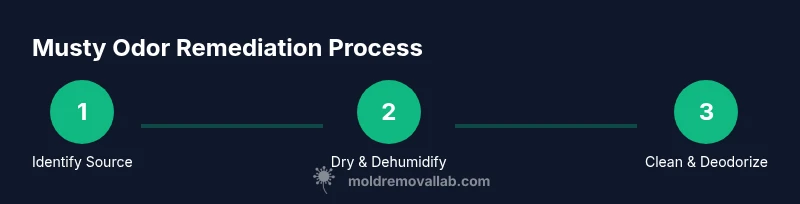
By the end of this guide, you will identify the source of a musty smell in house, confirm mold presence safely, and complete a practical remediation plan. You’ll learn quick diagnostics, how to prioritize fixes, and when to call a pro. This quick path focuses on household strategies Mold Removal Lab recommends for homeowners and renters.
Understanding the musty smell in house\n\nA musty smell in house is more than a nuisance—it’s often a sign of moisture intrusion that can support mold growth. The odor comes from microbial byproducts released as mold colonies colonize damp organic materials such as wood, wallpaper, fabric, and drywall. Left unaddressed, the smell can worsen and potentially affect indoor air quality and health. According to Mold Removal Lab, persistent odors usually indicate hidden moisture, a source that should be found and controlled promptly. In this guide, we’ll connect the dots between scent, dampness, and visible signs so you can act with confidence and reduce long-term damage to your home.
Quick diagnostics for musty smell in house\n\nTo diagnose the problem, start with a structured sniff test and a moisture map. Note where the odor strongest, then look for visible signs: staining, peeling paint, or warped materials. Use a moisture meter to compare humidity levels in affected rooms with adjacent spaces; RH above 60% is a red flag for ongoing dampness. Keep a simple log of rooms, odor intensity, and any leaks. If you detect mold growth, document size and location with photos before cleaning. Mold Removal Lab emphasizes that early detection leads to faster, cheaper remediation and reduces health risks.
Moisture sources and mold risk hotspots\n\nMold loves moisture, so focus on common hotspots: basements and crawl spaces with groundwater contact, bathrooms with poor ventilation, kitchens with leaks behind cabinets, laundry rooms, and areas around plumbing fixtures. Look for hidden sources like dripping pipes inside walls, roof leaks in attic spaces, and condensation on windows. Even dryer vents that back up can create humidity pockets. By rating each area by moisture exposure, you’ll prioritize fixes and minimize repeated odor, which often recurs when moisture isn’t controlled at the source. The Mold Removal Lab perspective is to map these zones first, then plan targeted interventions.
Immediate actions to reduce humidity and dry out spaces\n\nBegin with ventilation: open windows where safe, run exhaust fans, and use air movers to promote cross-ventilation. Deploy a dehumidifier in affected areas and monitor humidity with a meter, aiming for RH below 50-60%. Remove damp items or relocate them to a dry area, and shield porous materials from ongoing moisture. If walls feel cold or damp, consider placing a moisture barrier and isolating the area to prevent the spread of damp air. Consistent monitoring for 24-72 hours helps confirm the space is no longer sustaining mold growth.
Cleaning and deodorizing strategies that work\n\nAfter moisture is controlled, clean visible mold with non-ammonia cleaners and a non-corrosive detergent. For non-porous surfaces, a dilute bleach solution can be used carefully, but never mix with ammonia. Porous materials that have absorbed mold may need removal and disposal to prevent recurrence. Ventilate during cleaning and wear PPE: gloves, N95 mask, and eye protection. For deodorization, use activated charcoal or baking soda around the room to absorb remaining odors, and ensure the space dries completely before reoccupation. Mold Removal Lab suggests documenting cleaning steps and rechecking for odor after 24-48 hours.
When to test and call a professional\n\nIf the musty smell persists after moisture control, or you see visible mold growth larger than a small area, it’s time to consider professional assessment. A licensed mold remediation contractor can perform targeted testing, containment, and mold removal to reduce risk of spread. If homeowners have underlying health concerns, or the odor returns despite cleaning, seeking expert help is prudent. The Mold Removal Lab approach is to escalate when DIY steps do not fully resolve the issue, prioritizing safety and thorough remediation.
Prevention and long-term maintenance\n\nPrevention hinges on consistent moisture control and routine inspections. Keep humidity stable with dehumidifiers or HVAC adjustments, fix leaks promptly, and ensure bathrooms and kitchens have adequate ventilation. Use mold-resistant paints in high-humidity areas and seal basements or crawl spaces to limit moisture intrusion. Regular infrared checks and moisture meter readings help catch dampness early. Establish a seasonal routine: inspect for water intrusion after storms, clean gutters, and verify that exhaust fans vent outdoors.
Common mistakes to avoid and final checklist\n\nAvoid using bleach on porous materials like drywall or fabric; it can alter surface structure and drive mold deeper. Never ignore persistent odors or assume airflow alone will solve dampness. Do not skip safety gear or air filtration during remediation. Final checklist: map moisture, control humidity, remove contaminated materials if necessary, clean surfaces with approved products, recheck humidity, and run a final odor check before reoccupying.
Tools & Materials
- Digital moisture meter (preferably infrared)(Check RH in multiple rooms; target below 60%)
- Dehumidifier with continuous drain option(Place in the affected space; empty water container if not draining)
- HEPA-filter vacuum(Contain dust and spores while cleaning)
- Disposable protective gear (N95 mask, gloves, goggles)(Wear during cleaning and handling contaminated materials)
- Non-ammonia cleaner and mild detergent(Use on hard surfaces; avoid mixing with bleach)
- Mold-resistant sealant/paint for repairs(Apply after remediation on affected surfaces)
- Plastic sheeting and tape for containment(Isolate affected areas during remediation)
- Plastic bags for disposal(Seal contaminated materials securely)
- Vinegar or hydrogen peroxide (concentration safe for surfaces)(Alternative deodorizing options)
Steps
Estimated time: 6-12 hours
- 1
Identify moisture sources
Inspect all potential damp areas and leaks; note the source and extent. Use a moisture meter to quantify humidity around walls, ceilings, and floors. Document findings with photos for reference and future checks.
Tip: Start with the most leaky area first; small leaks worsen quickly if ignored. - 2
Isolate affected areas
Set up containment using plastic sheeting to prevent cross-contamination. Seal doors and vents, especially during cleaning. Turn off HVAC in the isolated zone to avoid distributing spores.
Tip: Keep children and pets out of the containment zone during remediation. - 3
Ventilate and dry out spaces
Run dehumidifiers and fans to promote air movement. Aim for RH under 50-60%. Continue until readings stabilize, typically 24-72 hours depending on the space.
Tip: Place dehumidifier near the moisture source for faster drying. - 4
Remove and clean contaminated materials
Remove porous materials if they’re moldy beyond cleaning (drywall, carpet backing). Clean non-porous surfaces with an approved detergent. Vacuum with HEPA after cleaning.
Tip: Bag and seal removed materials for safe disposal; do not mix with regular trash. - 5
Deodorize and monitor
Deodorize with baking soda or activated charcoal while continuing to dry the area. Recheck humidity after 24 hours and ensure the odor diminishes before reoccupation.
Tip: Odor alone isn’t a complete test—confirm with humidity readings. - 6
Reassess and plan follow-up
Conduct a final visual and odor check. Schedule a post-remediation inspection if odor persists. Consider third-party testing if in doubt about unseen mold.
Tip: Document results and date of remediation for future reference.
FAQ
What causes a musty smell in a home?
A musty smell typically signals moisture intrusion that can support mold growth. Leaks, condensation, or high humidity create damp conditions that mold can exploit. Identifying and fixing the moisture source is essential before mold remediation.
A musty smell usually means moisture is present and mold could be growing. Find the water source, dry the area, and then address any mold remediation.
Is the musty smell always mold?
Not every musty smell is visible mold, but it often indicates mold or mildew activity behind walls or in porous materials. Moisture control and inspection are crucial.
Sometimes the smell comes from mildew or dampness rather than visible mold, but both require moisture control and inspection.
Can I remove mold myself?
Small, non-porous mold spills can be cleaned with approved cleaners following safety guidelines. Large areas or mold on porous materials usually require professional remediation to ensure complete removal and prevent regrowth.
For big mold problems or porous materials, it’s safer to call a pro for proper removal.
When should I call a professional?
Call a professional if the odor persists after cleaning, you see substantial mold growth, or you have health concerns. Professionals can contain, test, and remediate effectively.
If odor stays after DIY efforts or mold is visible, get a professional assessment.
What maintenance reduces future musty smells?
Maintain humidity below 60%, fix leaks promptly, ensure proper ventilation in bathrooms and kitchens, and routinely inspect hidden spaces for moisture intrusion.
Keep humidity in check, fix leaks quickly, and inspect hidden areas regularly.
Is bleach recommended for mold cleanup?
Bleach can be effective on non-porous surfaces in some cases but should not be used on porous materials. Always follow label directions and safety guidelines.
Bleach isn’t always the best choice, especially on porous materials; use approved cleaners and safe methods.
Watch Video
The Essentials
- Identify moisture sources first
- Control humidity to stop mold growth
- Use containment to prevent spread
- Prioritize cleaning with proper products
- Verify dryness before reoccupying