Mold with Fur: Identification, Testing, and Safe Remediation
A practical, step-by-step guide to identifying, testing, and removing mold that grows on fur, pet bedding, and fur-like fabrics. Learn containment, cleaning, drying, and prevention to protect your family’s health.


Definition: Mold with fur describes mold growth that colonizes on animal fur, pet bedding, or fur-like materials, often fed by moisture and organic debris. It can appear as green, black, or white fuzz around fur fibers and may accompany odors. Proper containment, cleaning, and moisture control are essential to prevent spread and protect occupant health.
Understanding Mold with Fur: What It Is and Why It Happens
Mold with fur refers to mold colonies that colonize on animal fur, pet bedding, and fur-like fabrics. This type of growth often arises where moisture, warmth, and organic debris combine, especially when pets share living spaces with damp fabrics. According to Mold Removal Lab, certain species such as Aspergillus can thrive on keratin-heavy materials found in fur. When fur or fur-covered items stay damp for more than 24-48 hours, microcolonies can develop, leading to visible fuzz, splotches, and musty odors. Recognizing these signs early helps homeowners prevent spread to carpets, upholstered furniture, and HVAC systems. In many homes, the first clue is a musty smell near pet areas or a spot where fur collects along baseboards and under heavy furniture. The Mold Removal Lab team emphasizes that mold on fur is a moisture-driven problem, not a cosmetic nuisance; it can affect indoor air quality and trigger allergy symptoms in sensitive individuals. Proactive moisture control, regular cleaning, and prompt removal of damp fur items are essential to stop a small issue from becoming a larger problem.
How Fur-Associated Molds Develop and Spread
Mold spores are everywhere, but they need water and a food source to grow. Fur and fur-like fabrics provide both: keratin-rich proteins in hair and a porous surface that traps moisture. Pets can carry spores on their fur from outdoors, while damp pet bedding and clothes create a microhabitat where colonies can form. Vents, humidifiers, and leaks can contribute to localized dampness that enables spread to adjacent textiles, such as blankets, pillows, and upholstery. The risk increases in basements, laundry rooms, and garages where air circulation is poor and humidity is high. Mold Removal Lab notes that once established, fur-associated mold can release spores into the air, potentially triggering allergic reactions or asthma symptoms in occupants. Keeping humidity below 50-60% and ensuring good ventilation can reduce recurring growth. If you notice mold on fur or fabrics, isolate affected items, launder or dry clean according to fabric care labels, and address moisture sources before attempting broader remediation.
Surfaces Most Affected and Early Warning Signs
Commonly affected areas include washed or unwashed pet beds, blankets, fur towels, and the edges of carpets where fur gathers. Early signs are discoloration, fuzzy growth, powdery residues, a musty odor, damp patches, or water stains on fabrics. Inspect under heavy furniture, behind wardrobes, and in nesting areas for pets. Quick visual checks paired with a simple humidity reading can help you catch problems before they spread. If you see any of these indicators around fur-containing items, act promptly to minimize spread to surrounding textiles.
Health Risks and Protective Measures
Mold on fur can irritate the eyes, nose, and throat, and may worsen allergies or asthma in sensitive individuals. People with weakened immune systems, children, and the elderly may be at greater risk. When dealing with furry fabrics, wear an N95 respirator, gloves, and eye protection. Never disturb mold growth aggressively in occupied spaces; containment is essential to prevent inhalation of spores. Ensure good ventilation and keep pets out of the work area during cleanup.
Testing, Sampling, and Confirmation
Visual identification is not enough to confirm mold species or extent. Use moisture meters to identify damp zones and, if needed, obtain professional sampling for lab analysis. Home test kits can indicate presence but may not specify species or quantify growth. For fur-related growth, a professional remediation specialist can sample affected materials and confirm whether decontamination or disposal is required.
Immediate Cleaning and Safety Protocols
Begin by isolating affected fur-containing items in sealed bags and turning on a dehumidifier to reduce ambient moisture. Wear protective gear and avoid using bleach on porous fur fibers, which can damage materials and release fumes. Clean non-porous surfaces with detergent and water, then dry completely. For heavily contaminated items, washing or dry cleaning may be necessary, and disposal should follow local guidelines for contaminated textiles.
Step-By-Step Remediation Plan (Overview)
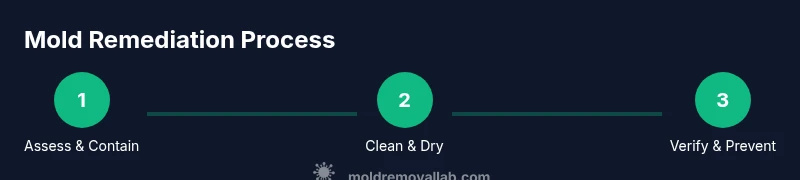
A structured approach targets both the source of moisture and the contaminated textiles. Start by stopping humidity and drying the area, then clean and sanitize surfaces, and finally verify dryness with a moisture meter. Consider professional remediation if contamination spans multiple rooms or affects the HVAC system.
Prevention and Long-Term Maintenance for Fur-Related Items
Maintain indoor humidity below 50-60% and improve air circulation with vents and fans. Regularly wash or dry clean pet beds, blankets, and fur-like fabrics, and store items in dry, ventilated spaces. Address leaks and install a short-term dehumidification plan in damp areas.
The Mold Removal Lab Verdict: Next Steps
The Mold Removal Lab team recommends starting with moisture reduction, isolating affected items, and pursuing professional assessment if contamination is extensive. They emphasize ongoing maintenance: monitor humidity, clean regularly, and replace heavily contaminated textiles when necessary.
Tools & Materials
- N95 respirator mask(Fit-tested if possible; replace if damaged)
- Disposable gloves(Latex-free if skin-sensitive)
- Eye protection(Goggles or face shield)
- Protective clothing(Long sleeves, coveralls, or old clothing)
- HEPA vacuum(Designed for mold remediation; avoid using regular vacuums)
- Microfiber cleaning cloths(Lint-free; replace when soiled)
- Detergent or mild cleaning solution(Label-safe cleaner; avoid strong solvents)
- Water and spray bottles(For dilution and application)
- Plastic sheeting and tape(Containment barriers for the work area)
- Waste bags (sealed)(Double-bag heavily contaminated textiles)
- Dehumidifier(Help reduce humidity in the area)
- Moisture meter(Optional but helpful to verify drying)
Steps
Estimated time: 2-6 hours
- 1
Put on protective gear
Before touching any contaminated items, wear an N95 mask, gloves, eye protection, and long sleeves to minimize exposure to spores.
Tip: Check mask fit and replace if you feel air leaks. - 2
Contain the work area
Seal off the affected space with plastic sheeting to prevent spores from spreading to other parts of the home.
Tip: Seal seams with strong tape and create a small airlock if possible. - 3
Isolate and remove contaminated fur items
Place heavily affected fur textiles in sealed bags; consider discarding if cleaning is impractical.
Tip: Consult local disposal guidelines for contaminated textiles. - 4
Clean non-porous surfaces
Wipe hard surfaces with detergent and water; scrub to remove visible mold residues; avoid mixing cleaners that generate fumes.
Tip: Rinse with clean water and dry thoroughly. - 5
Treat and dry porous materials
For salvageable fur fabrics, launder or dry clean according to care labels; ensure complete drying.
Tip: Use the lowest heat setting safe for the fabric to avoid damage. - 6
Reduce humidity and improve airflow
Run a dehumidifier and fans to achieve moisture control; target less than 50-60% humidity for several days.
Tip: Monitor with a moisture meter if available. - 7
Reassess and verify dryness
Recheck the area after 24-48 hours of drying; look for residual damp spots or musty odors.
Tip: If dampness persists, pause remediation and seek professional help. - 8
Decide on professional remediation if needed
If contamination spans multiple rooms, HVAC systems, or returns after cleaning, hire a certified mold remediation pro.
Tip: Professional assessment ensures complete and safe remediation.
FAQ
What does mold on fur look like?
Mold on fur often appears as fuzzy patches, discoloration, or powdery residues on fur fibers or pet bedding. It can be accompanied by a musty odor. Visual signs should be followed by moisture checks and testing if needed.
Mold on fur looks like fuzzy patches or discolored areas on fur fabrics and pet bedding, often with a musty smell.
Is mold on fur dangerous to my family?
Mold can trigger allergies and respiratory symptoms, especially in children and people with asthma or immune issues. Ventilation, containment, and prompt cleaning reduce risk.
Yes, mold on fur can affect air quality and trigger allergies; improving ventilation and cleaning helps.
Can I remove mold from fur myself?
You can clean small, non-porous surfaces yourself, but porous fur fabrics often require professional cleaning or disposal. Follow proper safety procedures and consider professional help for larger infestations.
You can handle small, non-porous areas, but furry fabrics usually need professional cleaning or disposal.
When should I throw away contaminated fur items?
Dispose of heavily contaminated fur textiles if cleaning would damage the item or cannot ensure complete decontamination. Bag items securely and follow local disposal guidelines.
If cleaning won't fix it, it's best to discard the affected fur textiles safely.
How long does it take to dry after cleanup?
Drying times vary by humidity and material. Use a dehumidifier and fans; expect 24-48 hours of drying before rechecking for damp spots.
Drying typically takes about 1 to 2 days with proper airflow and humidity control.
Watch Video
The Essentials
- Identify moisture sources and reduce humidity first
- Isolate affected fur items to prevent spread
- Use PPE and containment for safe cleanup
- Dry thoroughly before reintroducing textiles
- Consult a professional when contamination is extensive