Mold White: Identification, Removal, and Prevention for Homes
Learn to identify white mold, safely remove it, and prevent recurrence with practical steps from Mold Removal Lab. This guide covers causes, safety, DIY tips, and when to call professionals.


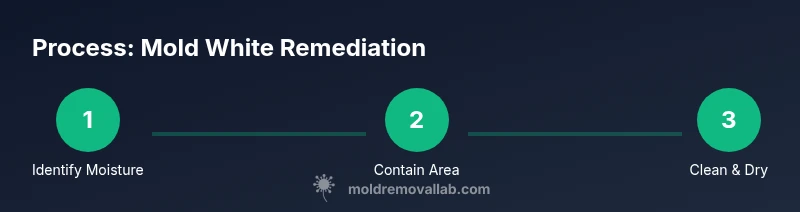
Mold white refers to pale, white growths that appear in damp areas of homes. You can identify it by fuzzy or powdery patches, a musty odor, and growth near moisture sources. Start with containment, PPE, and non-toxic cleaners; for larger areas or porous materials, consult Mold Removal Lab for professional remediation.
What is mold white?
White mold is a common term homeowners use to describe several fungi that appear as pale, cottony, or powdery growths in damp spaces. In many houses, mold white grows where moisture accumulates—behind walls, under sinks, around windows, or on bathroom surfaces. According to Mold Removal Lab, this type of mold tends to spread quickly when humidity stays high and moisture is not addressed. It may look like soft tufts or flat patches, and its color can range from bright white to ivory or chalky gray as it ages. Recognizing white mold early is important because it often signals an ongoing moisture problem rather than a one-off spill. By understanding where it tends to appear and how it develops, homeowners and renters can take timely steps to manage moisture and prevent structural damage to walls, insulation, and framing.
Common causes of mold white in homes
White mold does not appear out of nowhere. It thrives where moisture persists, making humidity control and leak repair essential parts of prevention. The most frequent triggers include leaks from roofs or plumbing, condensation on cold surfaces, inadequate ventilation in bathrooms or laundry areas, and high indoor humidity levels especially in basements or crawl spaces. Materials like drywall, cardboard, fabric, and wood provide food for mold, so any damp surface can become a host. Even short-term water events, such as a spill that isn’t dried promptly, can seed a colony. Addressing the moisture source is often more effective than chasing mold after it forms. Regularly inspecting known problem areas and maintaining a dry environment helps reduce occurrences of mold white.
How to identify mold white: visuals, texture, and tests
Visible signs of mold white can include white or off-white patches, fluffy or powdery textures, and a persistent musty odor. The growth may spread slowly across a surface or appear in isolated clumps. Use your senses and simple tests to confirm, keeping in mind that color alone isn’t a definitive indicator. A moisture meter can reveal hidden damp zones behind walls, while surface swabs or tape lifts can be sent to a lab or used with at-home kits to compare results. When inspecting, distinguish mold from mineral deposits or efflorescence, which can resemble white mold but have different causes and remediation needs. Safety first: wear gloves, goggles, and a mask to avoid inhaling spores during inspection.
Health risks and safety considerations
Mold white can affect health, especially for those with allergies, asthma, or weakened immune systems. Common reactions include sneezing, coughing, watery eyes, and throat irritation. People who spend a lot of time in damp environments may notice headaches or fatigue related to mold exposure. If anyone in the home experiences respiratory symptoms that correlate with damp conditions, it’s prudent to assess moisture sources and consider professional testing. Always wear appropriate PPE (gloves, eye protection, and an N95 respirator) when handling mold, and avoid disturbing the growth too aggressively, which can release spores into the air.
DIY remediation steps for small areas (safe, limited scope)
Small, manageable patches on non-porous surfaces can often be cleaned at home using basic supplies and careful containment. Start by isolating the area with plastic sheeting to prevent spread, and wear PPE to protect yourself. Clean non-porous surfaces with detergent and water; for hardier spots, a solution of isopropyl alcohol or hydrogen peroxide can be effective. After cleaning, dry the area thoroughly and re-check nearby surfaces for any residual moisture. Remember: if mold covers porous materials like drywall, fabric, or insulation, or if it recurs after cleaning, it’s best to stop DIY efforts and consult a mold remediation professional.
When to avoid DIY and call professionals
If mold appears on porous materials, grows behind walls, or covers a large patch, professional remediation is advised. Hidden moisture problems can persist after surface cleaning, leading to repeat growth. Professionals can perform controlled containment, use specialized equipment, and repair moisture sources to prevent re-growth. In rental properties, documenting moisture issues and contacting landlords or building managers is also important for tenant safety. Mold Removal Lab emphasizes that safety and thoroughness are more important than speed when facing mold white.
Safe cleaning products and methods
For non-porous surfaces, mild detergent solutions often do the job. For tougher growth, hydrogen peroxide or isopropyl alcohol can help sanitize without harsh fumes. Avoid mixing cleaners, especially bleach with ammonia or acids, as this can produce dangerous gases. Porous materials that have absorbed mold, such as drywall or ceiling tiles, may need to be removed and discarded to prevent re-growth. After treatment, ensure the area is thoroughly dried and consider installing a dehumidifier or improving ventilation to reduce humidity.
Prevention: moisture control and ongoing maintenance
Prevention is the best defense against mold white. Maintain indoor humidity levels where practical and fix leaks promptly. Improve ventilation in kitchens and bathrooms, use exhaust fans, and dry damp clothes outdoors when possible. Regularly inspect vulnerable areas—around windows, under sinks, and in basements—for signs of moisture or new growth. Replacing or repairing damaged materials promptly reduces food sources for mold and lowers the chances of reinfestation.
Debunking common myths about white mold
Many beliefs about white mold are inaccurate. Sunlight or dry air alone may slow growth but will not eradicate established colonies. Bleach can kill surface mold on non-porous surfaces but is less effective on porous materials where mold hides inside pores. A common misconception is that all white mold is equally dangerous; in reality, risk varies with species, surface, and exposure. Accurate assessment and appropriate remediation depend on proper identification, moisture control, and safe cleaning practices.
Tools & Materials
- Personal protective equipment (PPE)(Gloves, goggles, and N95 respirator)
- HEPA vacuum(For containment and debris removal)
- Disposable plastic sheeting(To seal off area during remediation)
- Detergent or mild cleaner(For initial cleaning on non-porous surfaces)
- Isopropyl alcohol or hydrogen peroxide(Sanitizing option for hard surfaces)
- Spray bottle(Mix cleaning solutions as needed)
- Scrub brushes or stiff sponge(For scrubbing growth from surfaces)
- Moisture meter or hygrometer(To identify hidden damp zones)
- Dehumidifier or fans(To reduce humidity after cleanup)
- Plastic bags and tape(Contain and dispose of affected materials)
- Replacement materials (if needed)(Drywall, insulation, or plaster if contaminated)
Steps
Estimated time: 2-6 hours
- 1
Prepare and protect
Put on PPE and seal off the area with plastic sheeting. Turn off HVAC to prevent spores from spreading. This step reduces exposure risk and keeps cleanup contained.
Tip: Double-check seals at doors and vents; even small gaps can spread spores. - 2
Identify moisture source
Look for leaks or condensation and document the source. Fixing the moisture problem is essential to prevent recurrence of mold white.
Tip: Use a moisture meter to find hidden damp zones behind walls. - 3
Remove loose growth
Gently brush off dry, loose mold from non-porous surfaces into a sealed bag. Do not dry-brush, which can aerosolize spores.
Tip: Do not remove material from porous surfaces; treat or replace as needed. - 4
Clean and sanitize
Wipe surfaces with detergent and water, then sanitize with alcohol or hydrogen peroxide on hard non-porous areas. Avoid mixing cleaners and never use bleach on porous materials.
Tip: Rinse with clean water after cleaning and dry thoroughly. - 5
Dry thoroughly
Ensure the area is fully dry before removing containment. This prevents re-growth and protects building materials.
Tip: Use fans or a dehumidifier to accelerate drying; aim for low humidity levels. - 6
Inspect and re-test
Re-check for dampness and visible mold after cleaning. If growth returns, escalate to professional remediation.
Tip: Keep a maintenance log of moisture sources and remediation steps. - 7
Dispose of contaminated materials
Place contaminated materials in sealed bags and remove from the home promptly. Wash any reusable tools with detergent after cleanup.
Tip: Avoid cross-contamination by changing gloves and washing hands between steps. - 8
Restore and monitor
Repair any damaged surfaces and reintroduce proper ventilation. Continue monitoring humidity and address new moisture quickly.
Tip: Install moisture-resistant barriers where appropriate to deter future growth.
FAQ
What is white mold and how does it differ from other molds?
White mold is a general term for several fungi that appear pale and cottony or powdery in damp spaces. It often indicates a moisture problem and can differ from other molds in texture and color, but the remediation principles—containment, moisture control, and cleaning—are similar. Proper identification helps determine the right approach and whether professional help is needed.
White mold is a pale fungal growth indicating moisture in your home. It looks cottony or powdery and needs moisture control and safe cleaning; large areas may require professionals.
Is white mold dangerous to my health?
Health effects vary by person and exposure. People with allergies or asthma may notice symptoms more quickly, while others may not have symptoms at all. Minimizing exposure with PPE and addressing moisture reduces risk. If symptoms persist, seek medical advice and consider professional mold remediation.
White mold can affect health, especially for sensitive individuals. Protect yourself, fix moisture, and consider professional help if symptoms persist.
Can I remove white mold myself?
Small, non-porous areas can sometimes be cleaned with proper PPE and non-toxic cleaners. Porous materials, hidden growth, or large areas should be handled by professionals to prevent re-growth and exposure. Always address the moisture source first.
You can clean small non-porous spots with proper protection, but large or porous areas should be handled by pros.
What surfaces are most affected by mold white?
Mold white grows on a range of surfaces, especially where moisture lingers. This includes drywall, wood, fabric, and insulation. Porous materials often need removal and replacement, while non-porous surfaces may be cleaned and dried.
White mold likes damp surfaces such as drywall and wood; porous materials may need replacement after growth.
How can I prevent white mold from returning?
Control moisture through ventilation, dehumidification, prompt leak repairs, and regular inspections. Keep humidity low, dry damp areas quickly, and maintain gutters and downspouts to prevent standing water near the house. Ongoing prevention reduces the chance of recurrence.
Prevent mold by controlling moisture: fix leaks, ventilate, and dry areas promptly.
Watch Video
The Essentials
- Inspect moisture sources first to prevent mold white.
- Use PPE and containment to reduce exposure risk.
- Clean thoroughly and dry completely to prevent recurrence.
- Know when to call professionals for safe remediation.
- Prevent mold by controlling humidity and fixing leaks.