Mold Curtain: Identify, Clean, and Prevent Mold Growth
Practical, step-by-step guidance to identify, clean, and prevent mold on curtains in bathrooms, laundry rooms, and basements. Safe methods by fabric type, moisture control, and when to replace.


You’ll learn how to identify mold on fabric curtains, choose safe cleaning methods, and prevent recurrence. Start with a moisture check, inspect for stains or odors, and gather gloves, a mask, mild cleaner, and a dehumidifier. Then follow a step-by-step remediation plan tailored to the curtain material and stain severity.
What is a Mold Curtain and Why It Matters
A mold curtain is any fabric window treatment or shower curtain that harbors mold growth due to persistent moisture. In bathrooms, laundry rooms, and basements, high humidity and poor airflow create microclimates where mold spores settle on fabrics and begin to colonize. Curtains, drapes, liners, and shower curtains can all develop visible mold or invisible residues that trigger allergic reactions or respiratory symptoms in susceptible people.
Left untreated, mold on curtains can spread spores to nearby surfaces and contribute to a damp, musty indoor environment. The Mold Removal Lab team emphasizes that removing the moisture source is the most effective defense—before you start cleaning, address humidity, ventilation, and temperature control. Look for telltale signs: fuzzy patches, staining, musty odors, or discoloration behind the fabric when you move the curtain. Early detection makes the cleaning simpler and safer, and it reduces the risk of recontamination after you finish.
How Mold Curtain Forms: Humidity, Surfaces, and Ventilation
Mold curtain growth is driven by moisture that lingers on fabrics and in microenvironment pockets. In bathrooms, condensation on mirrors and shower walls creates droplets that slowly wick into fabric fibers. Laundry rooms near dryers or washing machines produce humidity that can saturate curtains, drapes, and liners. Basements with cooler temperatures and poor airflow become harborages where spores land and multiply.
The materials themselves matter: cotton and natural fibers absorb moisture more readily, while vinyl and synthetics may trap dampness behind a curtain liner. Poor ventilation—no exhaust fan or a blocked air path—signals mold to take hold faster. Temperature also plays a role; mold tends to thrive in warm, humid conditions but can persist in cooler spaces if moisture is present. Recognizing these patterns helps you intervene early before visible colonies grow and spread to neighboring fabrics or walls.
Assessing Your Curtain Type and Stain Severity
Start by locating and reading the care label. If the curtain is washable, confirm the fiber content and washing instructions before you begin. Test colorfastness on an inconspicuous edge with a small amount of cleaner to ensure colors won’t bleed. Visibly persistent mold with thick, fuzzy growth or strong odors often requires more than a surface clean and may indicate deeper moisture problems behind the curtain or in the surrounding area.
For non-washable fabrics or heavily molded curtains, plan to either hand-scrub with gentle solutions or replace the item. In all cases, address the moisture source first: fix leaks, improve ventilation, and use a dehumidifier or fan to reduce humidity levels. Mold curtain problems usually stem from ongoing dampness rather than a one-off stain, so prevention matters as much as remediation.
Safe Cleaning Methods by Curtain Material
The cleaning approach should match the curtain material. Fabric curtains (cotton, polyester, or blends) respond best to mild detergents and natural sanitizers, while vinyl curtains tolerate non-bleach cleaners. Velvet and other delicate textiles require careful hand washing or spot cleaning to avoid fiber damage.
- Cotton or polyester: use a mild detergent with hot water if the label allows; add white vinegar or an oxygen-based cleaner to tackle mold fungi. Avoid aggressive scrubbing that can fray fibers.
- Nylon or synthetic blends: rinse with fresh water after washing; avoid chlorine bleach on colored fabrics to prevent discoloration.
- Vinyl or plastic shower curtains: wash with a non-ammonia cleaner and a soft brush; air dry completely before re-hanging.
- Velvet or delicate textiles: hand wash or employ a color-safe fabric cleaner, testing in a hidden area first.
Remember: always follow the care label. If the fabric is not colorfast or if you see color migration after washing, stop cleaning and consider replacement.
Step-by-Step Cleaning Flow for Fabric Curtains
If your curtain is washable and the mold is mild, you can follow a straightforward cleaning flow. First, remove the curtain and lay it flat in a clean workspace. Pre-treat any visible mold spots with a gentle cleaner or white vinegar. Then wash according to the fabric’s care label using the recommended water temperature and cycle. After washing, inspect the curtain for remaining mold and odors before drying. Dry thoroughly away from direct heat or sunlight until completely dry to prevent regrowth.
For non-washable curtains or stubborn mold, you may need to lightly scrub with a diluted cleaner solution, rinse, and dry promptly. Avoid saturating the fabric, which can prompt further mold growth.
In all cases, ensure you address moisture sources in the room to prevent recontamination. A damp bathroom or laundry area will invite mold back to any fabric surface, including a once-clean curtain.
Drying, Sanitizing, and Odor Control
Thorough drying is essential to prevent mold from returning. If possible, air-dry curtains outdoors or in a well-ventilated room with a fan. After drying, consider a mild sanitizing rinse—white vinegar or hydrogen peroxide can help, but test on the fabric first to avoid damage. Once dry, re-hang the curtain and monitor for any new musty odors or dampness behind the fabric.
Dehumidification supports long-term success. Use a dehumidifier in humid spaces and ensure bathrooms are equipped with or have access to an exhaust fan during and after showers. Cleaning should be paired with ongoing moisture management to keep mold curtain problems at bay.
Prevention: Moisture Control, Ventilation, and Regular Maintenance
Prevention hinges on moisture control and airflow. Regularly run an exhaust fan during and after showers, keep the bathroom door slightly ajar when feasible to promote air exchange, and wipe down surfaces to remove residual moisture. Consider scheduling a monthly check for curtains and liners—look for damp patches, discoloration, or a musty odor that indicates hidden moisture pockets.
Launder or replace curtains on a rotating basis, particularly in high-humidity seasons. Use moisture-absorbing products like silica gel or activated charcoal in storage areas and consider installing a humidity monitor to keep space levels below 50-60% in bathrooms and laundry rooms. These steps reduce the likelihood of mold curtain growth and help maintain a healthier indoor environment.
When to Replace a Mold Curtain: Signs It's Beyond Cleaning
Sometimes mold on a curtain is more than a cleaning project. If you notice persistent staining that reappears after washing, odor that lingers even after cleaning, or fabric fibers that feel weakened or torn, replacement is the safer option. Structural damage or heavy mold growth behind the curtain liner may require an upgrade, such as a moisture-impermeable shower curtain or a repair of underlying plumbing or ventilation issues. Replacing the curtain also opens an opportunity to upgrade to mold-resistant fabrics.
Real-Life Scenarios and Quick Fixes
In a bathroom with a faulty exhaust fan and frequent steam, a cotton shower curtain might accumulate mold along the bottom edge. A quick fix is to run a gentle cleaning cycle with a color-safe detergent, followed by thorough air drying in a well-ventilated area. In a basement laundry area with a damp wall, a vinyl curtain might trap moisture between layers; a quick fix is to remove the liner, clean both sides with a non-bleach cleaner, and replace with a mold-resistant liner if needed. For delicate velvet drapes near damp windows, consider spot cleaning with a mild detergent and air drying away from sunlight to prevent fiber damage.
These scenarios underline the importance of moisture management and prompt action when mold is detected.
DIY vs Professional Remediation: When to Call Experts
Minor mold on a washable curtain can usually be addressed at home with the right cleaning approach and moisture control. However, persistent mold, non-washable fabrics, or sites with ongoing moisture problems warrant professional remediation. A professional team can assess hidden moisture sources, treat affected surrounding surfaces, and recommend materials and ventilation strategies to prevent recurrence. If you suspect broader mold contamination in the room or building, consult a qualified mold remediation specialist rather than attempting invasive procedures yourself.
Tools & Materials
- Nitrile gloves(Use for all cleaning steps to protect skin.)
- N95 mask or respirator(Protects from mold spores and cleaners.)
- Safety goggles(Eye protection during scrubbing and handling cleaners.)
- Mild detergent(Most fabrics can tolerate gentle washing.)
- White vinegar(Natural mold killer; test on fabrics first.)
- Oxygen-based bleach (for white fabrics)(Only on colorfast whites and fabrics that tolerate it.)
- Baking soda(For odor absorption; can be added to wash.)
- Spray bottle(Dilute cleaners and apply to spots.)
- Soft-bristle brush(Gentle scrubbing without damaging fibers.)
- Microfiber cloths(For wiping and drying.)
- Color-safe stain remover(Only if stain persists after washing.)
- Laundry bag (delicates)(Protect delicate curtains during washing.)
- Dehumidifier or fan(Critical for moisture control after cleaning.)
- Drying rack or clothesline(Ensure complete drying away from heat.)
Steps
Estimated time: 60-120 minutes
- 1
Identify and prep
Inspect the curtain and surrounding area for mold signs and moisture sources. Remove the curtain from the rod and bring it to a clean workspace. Put on protective gear before handling mold.
Tip: Test a small hidden area for colorfastness before applying cleaners broadly. - 2
Check care label and plan wash
Read the curtain’s care label to choose an appropriate washing method. If washable, select the gentlest cycle and appropriate water temperature. For non-washable fabrics, plan hand cleaning or spot treatment.
Tip: When in doubt, start with cold water and a mild detergent to minimize fiber damage. - 3
Pre-treat mold spots
Dilute white vinegar or a mild cleaner and apply to moldy areas. Allow to dwell for 10–15 minutes to loosen spores. Do not scrub aggressively on delicate fabrics.
Tip: Avoid combining bleach with vinegar in the same spray; use one cleaner at a time. - 4
Wash or spot-clean
Wash the curtain according to fabric type using a color-safe cleaner or detergent. For non-washable fabrics, gently scrub spots with a diluted cleaner and rinse with clean water.
Tip: Do not overload the washing machine—curtains need room to move and rinse properly. - 5
Rinse and check
After cleaning, inspect for remaining mold or odors. If any mold remains, repeat cleaning on affected areas or consider replacement for heavily contaminated fabrics.
Tip: If odor persists, treat with a safe odor absorber as a follow-up step. - 6
Dry completely
Dry the curtain thoroughly before re-hanging. Use a drying rack or outdoor air-dry if possible to prevent heat damage and ensure complete dryness.
Tip: Never leave a damp curtain on the rod; mold can reestablish quickly. - 7
Rehang and monitor moisture
Reinstall with improved ventilation in the room. Run an exhaust fan during showers and consider a dehumidifier in humid spaces to prevent recurrence.
Tip: Set a monthly visual check to catch early signs of moisture.
FAQ
Can I clean mold off fabric curtains at home?
Yes, for mild cases on washable fabrics, using fabric-safe cleaners and proper drying. Persistent mold or non-washable fabrics may require professional help or replacement.
Yes, you can clean mild mold at home if the fabric is washable; persistent mold or non-washable fabrics may need expert help or replacement.
What health risks are associated with mold on curtains?
Mold can cause allergic reactions, respiratory irritation, and worsen asthma for some individuals. Reducing moisture and promptly cleaning mold helps minimize risk.
Mold can trigger allergies and respiratory symptoms in some people, so reducing moisture and cleaning promptly helps lessen risk.
When should I replace a moldy curtain?
Replace if mold keeps returning after cleaning, if the fabric is torn, or if the backing has degraded. Persistent odor or staining indicates replacement may be safer.
Replace the curtain if mold keeps coming back after cleaning or if the fabric is damaged or severely stained.
Is bleach safe for mold on curtains?
Bleach can be used on white, colorfast fabrics, but it can damage colored fabrics and many textiles. Always test first and follow label directions.
Bleach can damage colored fabrics, so test first and follow the label before using it.
How can I prevent mold in bathrooms and laundry rooms?
Improve ventilation, control humidity with dehumidifiers, and wash fabrics regularly. Keep curtains dry and inspect surfaces for dampness monthly.
Boost ventilation, reduce humidity, and wash curtains regularly to prevent mold growth.
How often should I inspect curtains for mold?
Inspect curtains seasonally or after high-humidity periods. Early detection allows easier cleaning and reduces health risks.
Check curtains at least seasonally or after humid periods to catch mold early.
What if the curtain is not washable?
Spot-cleaning or replacing the curtain may be necessary. Non-washable fabrics often require professional assessment if mold is present.
If not washable, spot-clean or replace, and consider professional advice if mold persists.
Can mold spores affect other fabrics nearby?
Yes, mold spores can travel and colonize adjacent textiles if moisture remains. Address the moisture source and clean surrounding surfaces.
Spores can spread to nearby fabrics if humidity stays high, so fix moisture sources and clean surrounding areas.
Watch Video
The Essentials
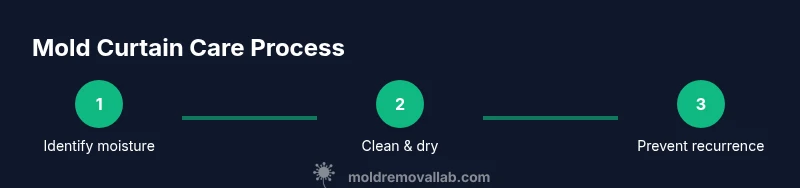
- Identify moisture sources before cleaning.
- Choose fabric-safe cleaners matched to curtain material.
- Dry completely and maintain ventilation to prevent recurrence.
- Replace heavily moldy fabrics when necessary.