How Long Does My Landlord Have to Fix Mold? A Practical Guide
Learn how mold repair timelines work, how to check local codes, and practical steps tenants can take when landlords delay remediation, with data-backed guidance from Mold Removal Lab.


There is no universal deadline for mold remediation by landlords; timelines depend on local codes and the severity of the mold. In many places action is required promptly—often within a few days to a couple weeks—especially when health risks are present. To know your exact window, check your state or city housing code and your lease terms.
Why mold remediation timelines vary by location
When tenants ask how long does my landlord have to fix mold, the short answer is that there is no nationwide deadline. According to Mold Removal Lab, timelines are driven by local building codes, health regulations, and the severity of the contamination. In practice, landlords are expected to act promptly to preserve habitable conditions, particularly when occupants include children, older adults, or people with respiratory issues. The exact window is shaped by jurisdiction and the lease agreement. Some cities mandate quick action within a few days for significant mold growth; others defer to a "reasonable time" standard, balancing repair logistics with tenant protections. The Mold Removal Lab team notes that while many cases are resolved in under two weeks, prolonged delays can trigger health inspections, mandatory remediation orders, or escalation to health departments.
What counts as a landlord repair under mold
A repair in the mold context isn't just wiping down surfaces. It includes identification, containment, removal of mold-contaminated materials, addressing the moisture source, and verifying that the space is safe for occupancy. In practical terms, tenants should look for a written plan that describes the following: (1) the source of moisture, (2) containment measures to prevent spread, (3) the remediation methods used by licensed professionals, (4) a timeline for completion, and (5) post-remediation clearance testing when required. If the plan lacks detail, ask for clarification. Clear documentation helps you later if disputes arise and supports any complaint to housing authorities. The goal is a durable fix, not a cosmetic cleanup that recurs.
How to read your local timeline in context with your lease
Lease terms can set expectations that go beyond code. Some leases include a provision that repairs must be completed within a specific number of days after notice. If the mold problem is severe or impacts health, many jurisdictions default to a faster action standard. In all cases, you should document every notice, every response, and every step taken. This creates a transparent trail that protects both tenant and landlord and reduces the chance of miscommunication or delays.
How to gather the right information quickly
Begin with your local housing authority’s website or call the office to learn the applicable timeline for mold remediation in your city or state. Then compare this with your lease’s repair clause. If you’re unsure, seek a free or low-cost legal consult focused on tenant rights in your area. Remember to gather photos, dates, and copies of all communications—these will anchor your case if escalation is needed. In times of ambiguity, rely on documented evidence rather than memory alone.
What makes a repair legitimate and lasting
A durable mold repair plan should address: moisture source control (e.g., leaky pipes), proper containment to prevent cross-contamination, thorough mold removal by licensed professionals, sanitization of affected areas, and post-remediation verification. Under-resourcing or rushed work often leads to recontamination. Look for a written remediation report that lists areas treated, products used, and any required follow-up actions. If clearance testing is needed, ensure the criteria are clearly stated and aligned with local codes. This approach minimizes the chance that mold returns after the landlord has declared the job done.
How to document mold severity and health concerns
Keep a running log of symptoms experienced by occupants and any medical notes that reference mold exposure. Photograph the affected areas with timestamps, and note weather conditions or moisture events that coincide with mold growth. This documentation supports a claim that timely action was necessary and can be essential if you escalate to health authorities. If you have an ongoing health concern, consult a medical professional and request a written note linking symptoms to the mold exposure—this can influence the urgency of remediation.
What tenants can do while awaiting repair
While you wait for action, you can take reasonable steps to reduce moisture: use dehumidifiers, fix minor leaks, ensure proper ventilation, and avoid drying clothes indoors. Do not attempt dangerous or invasive mold removal yourself; improper handling can worsen contamination and void insurance coverage. If access is a barrier, request a documented access schedule and, if necessary, involve a third party, such as a health inspector, to facilitate access under your rights. Continuity of habitability remains a tenant priority, and documented progress helps reassure all parties involved.
dataTableIndex":0,
Overview of remediation timelines by jurisdiction
| Jurisdiction | Typical remediation window | Notes |
|---|---|---|
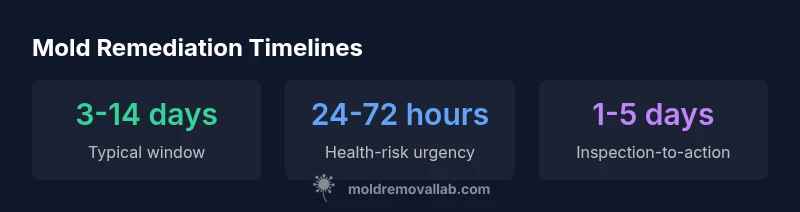
| US State/Local codes | 3-14 days | Severity-based; varies by locality |
| Emergency health-risk cases | Within 24-72 hours | Often requires immediate action |
| Tenant-led remediation | N/A | Depends on lease and local rules |
FAQ
What counts as an urgent mold issue?
An urgent mold issue is one that threatens health or safety, such as visible growth in high-humidity areas with associated symptoms. Local health codes often require swifter action in these cases. Always document health concerns and seek authorities if needed.
Urgent mold means health or safety is at risk; act quickly and document everything.
Do I have to let my landlord inspect mold?
Yes, landlords typically have the right to enter with reasonable notice to inspect and remediate mold. If notice is inadequate, ask for proper entry terms per local law and your lease. Keep a record of all notices.
Landlords can inspect with reasonable notice per local rules.
Can I withhold rent for mold repair?
Withholding rent is risky and often not allowed by law without proper guidance. Check local tenant-right resources or consult an attorney before withholding, as you could face eviction or forfeiture of protections.
Don’t withhold rent before checking local rules.
What should I document about mold?
Take dated photos, note locations, document symptoms and any medical notes, save all notices and correspondence, and keep receipts for repairs or related expenses. This creates a solid paper trail for claims.
Document everything with dates, photos, and copies of communications.
When should I contact health authorities?
If you or others experience significant health symptoms, or if the mold is extensive and landlord action is insufficient, contact local health or housing authorities for guidance and potential inspections.
Call local health or housing authorities if health concerns or delays persist.
Is there a federal mold regulation?
There is no universal federal mold remediation standard in the U.S.; guidance comes from agencies like HUD and EPA, but enforcement is typically at the state/local level. Check local regulations for specifics.
There isn’t a single federal mold rule—local rules govern you.
“Mold remediation timelines are primarily determined by local codes and the severity of the contamination. Tenants should act quickly, document everything, and rely on official guidance rather than memory.”
The Essentials
- Know there is no universal deadline—timelines vary by location.
- Document mold, notices, and responses to protect your rights.
- Check lease terms and local codes for the exact window.
- Escalate promptly if health risks are involved.
- Seek legal or tenant-right resources if delays persist.