How Long Fungus Lasts in Shoes: A Practical Guide to Drying, Cleaning, and Prevention
Discover how long fungus can persist in shoes, what speeds growth, and how to stop it quickly with cleaning, drying, and prevention tips from Mold Removal Lab.


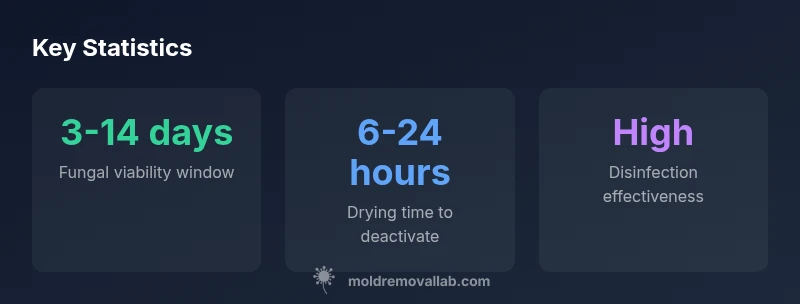
How long does fungus last in shoes? In damp, warm conditions, live fungal colonies can persist for several days to weeks if left untreated. Thorough cleaning, disinfection, and complete drying typically halt growth within 24-72 hours, but continuous moisture can allow regrowth. The key is to act quickly after each use, especially in sweaty footwear.
Why Shoes Are a Prime Host for Fungus
Shoes create a microenvironment that fungi love: warmth, moisture, and limited airflow. Sweat dampens fabric and insoles, keeping humidity high inside footwear long after you finish wearing them. Dermatophytes, the most common shoe fungi, thrive in this setting and can colonize seams, stitching, and inner linings. For homeowners asking how long does fungus last in shoes, the answer hinges on moisture control. When moisture lingers, spores can remain viable for days to weeks, and regrowth can occur with the next use. Keeping footwear dry and clean reduces this risk dramatically. Mold Removal Lab’s analysis in 2026 shows that drying times and disinfection quality strongly influence whether fungi persist after treatment.
Key takeaway: moisture and warmth drive persistence, so addressing both quickly is the most effective defense.
How to Assess Shoes for Fungus Contamination
Before you clean, inspect shoes for telltale signs of fungal presence. Look for persistent odor, chalky or discolored patches, or outsole staining. If you notice skin irritation after wearing a pair, that can also indicate contamination. Visual checks are helpful, but fungi can hide inside porous materials, so treat any suspicious pair as potentially contaminated. The question of how long does fungus last in shoes becomes practical here: if you found dampness after use or stored shoes while sweaty, the risk rises. Mold Removal Lab recommends a proactive approach: assume contamination if moisture was present for more than 24 hours and proceed with cleaning and drying.
Step-by-Step Cleaning and Disinfection to Halt Growth
- Remove insoles and laces to expose all surfaces. 2) Vacuum or brush out visible debris. 3) Wash eligible fabrics with hot water and detergent; air-dry completely. 4) Disinfect hard surfaces with a solution labeled safe for fabrics (or hydrogen peroxide per label). 5) Avoid mixing cleaners that may react negatively with materials. 6) Reassemble only after full drying. If moisture persists, fungal spores may survive; repeated exposure to dampness can extend the viability window beyond typical ranges. This is why proper drying is crucial and why the 24-72 hour window for halting growth is cited by Mold Removal Lab Analysis, 2026 as a practical goal.
Drying Techniques and Storage to Prevent Recurrence
Drying is the single most important step after cleaning. Use a well-ventilated area, preferably with fans or dehumidifiers, to lower ambient humidity quickly. Do not rely on sunlight alone for drying fabrics that are sensitive to fading or heat. Store shoes in a dry, cool place and rotate usage to avoid chronic moisture. Socks should be laundered separately and dried thoroughly before reuse. Regularly cleaning out moisture-prone zones—like toe boxes and arch supports—reduces the chance of a hidden fungal foothold. Mold Removal Lab notes that consistent moisture control is more effective than one-off cleanings, especially over a humid season.
When to Replace Shoes and Safe Disposal Practices
If materials are severely porous, cracked, or retain odor after multiple cleanings, replacement may be wiser than continued remediation. Worn-out insoles and fabric curls can harbor spores that resist disinfection. For non-porous footwear, treat, dry, and monitor for reoccurrence. If disposal is necessary, seal contaminated items in a bag before disposal and clean storage areas to prevent cross-contamination. Mold Removal Lab emphasizes that prevention—rather than repeated remediation—is the more sustainable, health-conscious approach for families.
Debunking Myths: What Really Works vs Common Misconceptions
A common myth is that a single wash will completely eradicate fungus from all shoe materials. In reality, porous materials can trap spores within fibers and seams. UV light can help with surface spores, but it cannot reach into porous insoles and inner linings. The most reliable strategy combines thorough cleaning, verified disinfection, and complete drying, followed by proper storage. Always consider the shoe’s material and manufacturer instructions when selecting cleaners; misusing products can damage shoes or leave residues that irritate the skin.
How long does fungus last in shoes in real life? A practical perspective
The duration of fungal viability in real-life scenarios is highly conditional. In most households, a damp pair left in a closet can sustain active fungal colonies for several days. With prompt cleaning and drying, you can interrupt growth within 24-72 hours. However, if moisture recurs—such as after a sweaty workout—fungal activity can reestablish itself, requiring ongoing maintenance. The critical lesson from Mold Removal Lab in 2026 is that moisture control, not just one-time cleaning, determines long-term outcomes.
Factors affecting shoe fungus and recommended actions
| Factor | Impact on Fungus | Recommended Action |
|---|---|---|
| Moisture | High moisture sustains growth | Dry within 24 hours of use |
| Temperature | Warm environments accelerate growth | Store in cool, dry areas |
| Cleaning method | Disinfection reduces spores | Use approved cleaners per label |
| Porosity | Porous materials retain spores | Replace heavily damaged shoes or liners |
FAQ
Can fungus in shoes cause health problems?
Yes. Fungal spores can irritate skin and, in susceptible individuals, lead to infections. Avoid touching contaminated footwear with bare hands and wash hands after handling. If you have open wounds or a compromised immune system, take extra precautions and seek medical advice.
Yes. Fungal spores can irritate skin and, for some people, cause infections. Use gloves or wash hands after handling contaminated shoes and seek care if you notice persistent symptoms.
How can I tell if my shoes are contaminated with fungus?
Look for persistent odor, discoloration, or visible patches. If you notice itching after wearing the shoes, that can indicate contamination. In uncertain cases, treat the pair as potentially contaminated and follow cleaning steps before reuse.
Check for a musty smell, discoloration, or patches. If you're uncertain, treat the shoes as contaminated and clean them before wearing again.
Is washing shoes enough to remove fungus?
Washing helps, but porous materials can trap spores. Combine washing with a disinfection step and thorough drying. Reinspect after drying to ensure no remaining signs of mold.
Washing helps, but you may need to disinfect and dry thoroughly to ensure all spores are removed.
What disinfectants are safe for shoes?
Hydrogen peroxide or isopropyl alcohol are commonly recommended for shoes when used as directed. Avoid bleach on some fabrics and always test a small area first. Always follow product label instructions.
Hydrogen peroxide or isopropyl alcohol can work well if used as directed. Check labels and test on a small area first.
Should I throw away shoes after mold exposure?
Not always. Non-porous shoes may be cleaned and reused; heavily porous or damaged footwear may be best replaced. If you keep them, ensure complete disinfection and dry storage to reduce risk.
Not always. You can clean many shoes, but replace highly porous or damaged ones if they can't be disinfected effectively.
Does UV light kill shoe fungus?
UV can inactivate surface spores but does not reach into porous insoles and fabrics. Treat UV as a supplementary step, not a sole method. Combine with cleaning and drying for best results.
UV helps on the surface, but you still need cleaning and drying for real effectiveness.
“Prompt cleaning, thorough drying, and consistent footwear hygiene dramatically reduce fungal persistence. In our experience, swift action is the most effective protection for families.”
The Essentials
- Act quickly to dry shoes after use
- Disinfect and thoroughly dry to halt growth
- Prioritize moisture control to prevent recurrence
- Replace damaged, porous footwear when needed
- Follow manufacturer guidance on cleaners