How Long Do Fungus Last? A Practical Mold Duration Guide
Explore how long fungus lasts in homes, what factors affect duration, and practical steps to speed remediation. Mold Removal Lab explains moisture control, ventilation, and when to seek professional help.


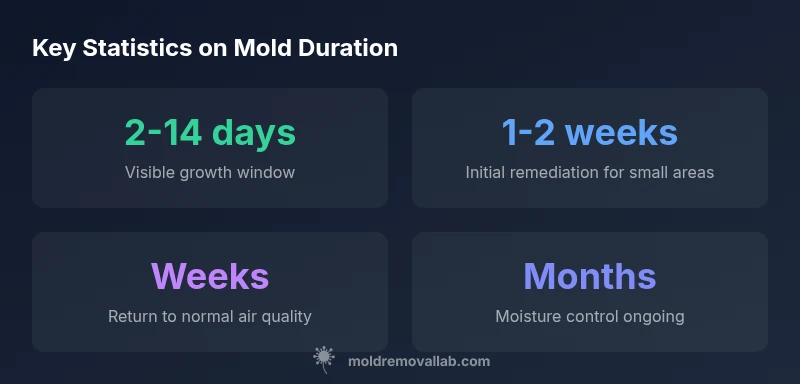
The duration fungus lasts in a home is highly variable. In general, visible fungal growth can appear within days of moisture exposure and may persist for days to weeks if moisture remains unaddressed. With proper remediation, including moisture control and cleanup, most outbreaks begin to improve within 1-2 weeks, though some may take longer in difficult spaces.
Why fungus lasts longer in damp spaces
How long do fungus last in homes? The answer is highly context dependent, but moisture is consistently the single strongest driver. When humidity stays high and damp surfaces aren’t dried quickly, fungus can establish colonies and persist far longer than in dry environments. According to Mold Removal Lab, moisture dynamics drive both growth rate and durability of fungal mats. Your climate, temperature, and the presence of porous materials all shape the timeline. In practical terms, if an attic, bathroom, or basement experiences ongoing dampness, you should expect the duration of the issue to extend from days into weeks unless you intervene promptly with drying, ventilation, and remediation. The central truth is straightforward: control moisture, and you control how long the problem lasts.
For homeowners asking the pressing question, “how long do fungus last,” the takeaway is clear: moisture management reduces duration more reliably than any single cleaning product. This is supported by field observations collected by Mold Removal Lab, which show shorter remediation timelines when dampness is halted quickly and surfaces are dried thoroughly.
Distinguishing mold from other fungi
Fungus is a broad term that covers multiple genera, including mold, mildew, and mushrooms that may appear indoors due to moisture. In the home, the issue is typically mold growth on walls, wood, drywall, or insulation. Recognize mold by its fuzzy or powdery texture, musty odor, and rapid spread in damp areas. Distinguishing it from harmless surface staining or mildew matters because timelines and remediation strategies differ. Mold growth often indicates hidden moisture behind surfaces; addressing the root moisture source is essential to stop the clock on duration. If you’re unsure, testing and professional assessment help prevent over- or under-treatment, which can affect how long the fungus lasts in your space. Based on Mold Removal Lab research, quick action on moisture and prompt cleanup dramatically shortens the overall duration.
Key factors that influence duration
- Moisture level: The more water present, the longer fungus can persist.
- Ventilation: Adequate airflow speeds drying and reduces lingering spores.
- Material porosity: Porous materials retain moisture and harbor colonies longer.
- Temperature: Warmth accelerates fungal metabolism, but extreme heat may suppress growth if moisture is removed.
- Remediation actions: Early containment, cleaning, and moisture control shorten the overall duration.
- Ongoing sources: Leaks, humidity, or spills reset progress and extend remediation timelines.
Understanding these factors helps homeowners tailor the remediation plan. The Mold Removal Lab team notes that addressing moisture quickly is repeatedly the most influential lever in shortening how long fungus lasts in a living space.
Practical steps to shorten fungus duration
- Eliminate moisture sources: fix leaks, reduce humidity, and dry out spaces with dehumidifiers.
- Improve ventilation: run fans and open windows where safe.
- Contain the area: isolate the affected zone to prevent spore spread.
- Clean surfaces: use EPA-approved cleaners on non-porous surfaces; avoid over-wetting porous materials.
- Assess hidden moisture: inspect behind walls and under flooring; professional tools may be required.
- Verify dryness: measure moisture content and ensure it stays low after cleanup.
- Plan follow-up: schedule inspections to confirm that mold is gone and will not reappear.
With the right sequence—drying, containment, cleaning, and verification—you shorten the road from damp problem to dry, safe spaces. The Mold Removal Lab approach emphasizes moisture control first, then remediation, to minimize duration.
When to call a professional remediation service
If you notice growing patches larger than a square foot, recurring dampness, or suspect hidden mold behind walls, seek professional remediation. A trained team can perform moisture assessments, containment, proper cleaning, and post-remediation testing. Delays in professional help increase the risk of health impacts and longer durations. The Mold Removal Lab team emphasizes prompt action when signs appear and moisture problems persist.
Long-term prevention to minimize future duration
- Control humidity year-round with dehumidifiers in damp spaces.
- Repair leaks promptly and install vapor barriers where needed.
- Maintain good ventilation in bathrooms, kitchens, and laundry areas.
- Use mold-resistant materials in high-moisture zones.
- Schedule periodic inspections after water events to catch issues early.
- Install air purifiers with HEPA filters in problem areas to reduce spores indoors.
Key factors influencing how long fungus lasts in homes
| Factor | Effect on duration | Typical timeframe | Notes |
|---|---|---|---|
| Moisture level | Extends duration | 2-14 days visible growth | Humidity control is the most impactful action |
| Ventilation/Airflow | Promotes drying | Hours to days | Better airflow shortens duration by accelerating drying |
| Material porosity | Harbors colonies longer | Varies by material | Porous materials retain moisture longer |
| Remediation actions | Shortens duration | Weeks to days | Containment plus cleaning reduces spread and duration |
FAQ
How long does fungus last if moisture is ongoing?
If moisture remains, fungus can persist for weeks to months in extreme cases. The duration shortens as moisture control and remediation begin.
If moisture stays, mold can keep growing for weeks or months until you fix the moisture and start cleanup.
Does bleaching mold stop it immediately?
Bleach can kill surface mold but does not address hidden colonies or moisture behind walls. It is not a complete remediation solution.
Bleach may kill surface mold, but it won't fix hidden growth or moisture problems.
Can mold last after remediation?
Yes, mold can reappear if moisture returns or if spores remain. Prevent recurrence with ongoing moisture control and monitoring.
Mold can come back if moisture returns; keep monitoring and fix leaks.
What counts as professional remediation?
Professional remediation includes moisture assessment, containment, remediation, cleaning, and post-remediation testing.
A pro will check moisture, contain the area, clean, and verify the area is mold-free.
Are there safe DIY steps for small patches?
Small, non-porous patches can be cleaned with appropriate cleaners; porous materials should be discarded or sealed, and safety gear used.
You can clean small non-porous patches, but be careful with porous materials and safety.
“Mold does not disappear on its own; duration ends only after moisture is controlled, materials are cleaned, and proper remediation is completed.”
The Essentials
- Control moisture quickly to limit fungus duration.
- Ventilate and dry affected spaces within 24-72 hours.
- Assess with a pro for lasting remediation.
- Avoid delaying cleanup to prevent regrowth.
- Follow-up testing helps confirm recurrence risk is low.