Gummies Mold: Safe Handling and Prevention
Learn to spot mold on gummies, safely discard affected candy, and prevent future growth with practical storage and handling tips from Mold Removal Lab.


To handle gummies mold, identify visible signs of mold, discard affected gummies safely, and prevent future growth with proper storage and hygiene. Do not taste or eat moldy candy, and check neighboring items for contamination. This quick guide covers safe handling steps and practical prevention tactics.
What gummies mold is and why it happens
Mold on gummies is a sign that moisture, air exposure, or packaging issues allowed fungi to grow on sugar-rich candy. The presence of mold indicates potential toxin production and health risks, especially for children, the elderly, or people with compromised immune systems. According to Mold Removal Lab Team, environmental factors like high humidity and improper sealing are common triggers, so understanding how gummies mold helps you prevent it in the first place. In many homes, storage in a warm pantry or a poorly sealed container can create the perfect conditions for visible mold to appear on gummies.
If you spot any fuzzy growth, discoloration, or an unusual musty odor, treat the item as spoiled and begin the safe handling steps described later in this guide. Remember that mold can spread through packaging and nearby foods; a small amount may indicate a broader contamination issue. For safety guidance, refer to authoritative health sources cited in this article and use your best judgment when you notice any signs of decay or moisture intrusion.
Mold Removal Lab Analysis emphasizes that mold growth is not just about the visible mushrooms growing on surface; it can occur behind packaging and inside sealed containers where moisture migrates. Visual inspection alone isn’t enough—smell and packaging integrity matter too. When in doubt, discard, do not eat, and sanitize surrounding surfaces to minimize any cross-contamination risk.
noteNamesDeletedForSafetyOnly(false,false,false,false,false,false,false,false,false,false,false,false,false,false,false,false,false,false,false,false,false,false,false,false,false,false,false,false,false,false,false,false,false,false,false,false,false,false,false,false,false,false,false,false,false,false,false,false,false,false,false,false,false,false,false,false,false,false,false,false,false,false,false,false,false,false,false,false,false,false,false,false,false,false,false,false,false,false,false,false,false,false,false,false,false,false,false,false,false,false,false,false,false,false,false,false,false,false,false,false,false,false,false,false,false,false,false,false,false,false,false,false,false,false,false,false,false,false,false,false,false,false,false,false,false,false,false,false,false,false,false,false,false,false,false,false,false,false,false,false,false,false,false,false,false,false,false,false,false,false,false,false,false,false,false,false,false,false].},
toolsMaterials
{
Tools & Materials
- Disposable gloves(Nitrile or latex-free if you have sensitivities; keep a fresh pair for each handling session.)
- Sealed trash bags(Use sturdy bags and double-bag to control odor and containment.)
- Trash can with lid(Keep a designated bin for disposal to prevent cross-contamination.)
- Paper towels(For quick cleanup and blotting spills.)
- Disinfectant wipes or spray(Choose a product suitable for kitchen surfaces; avoid harsh cleaners on food-contact areas.)
- Marker(Label bags with “Do Not Eat” and date.)
- Flashlight(A bright light helps spot less obvious mold on shelves.)
- Hand sanitizer(Optional but good after disposal.)
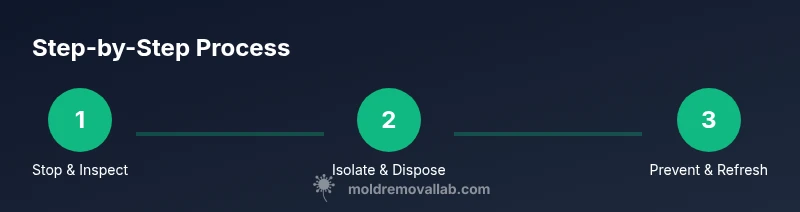
Steps
Estimated time: 15-60 minutes
- 1
Stop consumption immediately
If you detect mold on gummies, stop eating and move the product to a separate area. Do not taste or nibble to test for mold, as some molds can produce toxins even without a strong odor. This minimizes exposure risk while you assess the situation.
Tip: Act quickly to avoid cross-contamination with other foods. - 2
Isolate moldy gummies
Place the suspect gummies in a sealed, labeled bag to prevent spread of mold spores. Keep the bag away from other foods until disposal. Proper labeling helps others in your home avoid accidental consumption.
Tip: Double-bag to reduce any odor transfer. - 3
Check packaging and storage conditions
Inspect the package for swelling, tears, or moisture intrusion. Review how gummies were stored (temperature, humidity, proximity to heat) and identify possible sources of moisture within the pantry or fridge. This helps prevent recurrence in the future.
Tip: If the packaging is compromised, consider discarding an entire batch. - 4
Dispose of moldy gummies safely
Place the moldy gummies in a sealed bag and discard in an outdoor trash can. Do not compost moldy food. Wash your hands after handling and sanitize surfaces that came into contact with the gummies.
Tip: Avoid touching your face or eyes during disposal. - 5
Sanitize the storage area and tools
Clean the container or storage bin where gummies were kept, plus any shelves or countertops touched during disposal. Use an appropriate disinfectant and allow surfaces to dry completely before restocking.
Tip: Let disinfectants sit for the recommended contact time for effective cleaning. - 6
Inspect nearby items and monitor humidity
Check other gummies and pantry staples for signs of mold or moisture damage. If you see moisture buildup, address it with dehumidification and improved airflow to reduce future mold risk.
Tip: Consider placing moisture absorbers in high-humidity areas. - 7
Prevent recurrence with proper storage
Store gummies in airtight containers away from heat and moisture. Follow label guidance on refrigeration vs. pantry storage and keep an eye on expiration dates. Regularly rotate stock to minimize waste and mold risk.
Tip: Label containers with date of purchase and opened date.
FAQ
Can I eat gummies if I see a small amount of mold?
No. Mold indicates spoilage and potential toxins. Even a small spot means the product may be unsafe. Discard the item and examine nearby foods for contamination.
No. Mold on gummies means they’re unsafe to eat; discard them and check nearby items for contamination.
Is it safe to salvage the rest of a gummy package if only a few show mold?
Salvaging is not recommended. Mold can spread through the packaging and to other gummies. If in doubt, discard the entire package.
Salvaging is not recommended; mold can spread beyond what you see.
What storage conditions help prevent mold in gummies?
Store gummies in a cool, dry place in airtight containers. Avoid moisture and heat, and follow the product’s label for refrigeration if required.
Keep them cool and dry in sealed containers, away from heat and moisture."
Should I use bleach or strong cleaners on gummies or storage areas?
No. Bleach or strong cleaners should not come into contact with food. Use food-safe sanitizers on surfaces, and rinse if needed after disinfection.
Don’t use bleach on foods or food-contact areas; use food-safe cleaners and sanitize surfaces carefully.
When should I contact a health professional about mold exposure?
If you experience persistent symptoms after exposure to mold or have a severe reaction, consult a healthcare professional. For environmental concerns, seek local guidance on mold remediation.
If you have ongoing symptoms or a severe reaction, talk to a healthcare professional and consider professional mold guidance.
Watch Video
The Essentials
- Discard moldy gummies immediately
- Seal and dispose of contaminated items
- Store remaining gummies properly to prevent moisture
- Regularly inspect and rotate stock to reduce mold risk