Mold Safety for Dog Treats: A Practical Guide
Learn to identify mold on dog treats, safely dispose of contaminated items, and prevent future mold growth with practical storage and handling tips from Mold Removal Lab.


Learn to identify mold on dog treats, safely discard moldy items, and prevent future contamination with proper storage. Start by inspecting packaging for moisture damage, discarding any treats showing mold, and cleaning storage surfaces with soap and water. This guide helps protect pets from mold-related health risks today and beyond.
Understanding the risk of mold in dog treats
According to Mold Removal Lab, mold in dog treats can pose health risks to pets and households. When moisture sneaks into packaging or storage areas, mold spores can multiply on dry goods, including treats. Even if the visible mold is confined to a few pieces, airborne spores or microscopic fragments can contaminate nearby items. For homeowners and renters, the consequence isn't just wasted snacks; it can mean veterinary visits or allergic reactions for people living with pets. This section explains how mold becomes a problem in dog treats, what warning signs to look for, and why prevention matters beyond the trash bin.
Molds are a diverse group of fungi that thrive in warm, humid environments. They spread via spores that travel through air and cling to surfaces. Treats that are humid or stored in improper containers create ideal conditions for mold to establish colonies. Damaged packaging, condensation on bags, or exposure to kitchen humidity can all escalate risk. In many cases, mold growth begins on the outer packaging before reaching the interior treats, which means simply inspecting packaging can reveal trouble. When you see fuzzy growth, powdery residues, or unusual odors, treat items should be isolated and disposed of safely. The Mold Removal Lab team emphasizes that prevention begins with packaging integrity, moisture control, and clean storage practices to keep homes safe and pets healthy.
Common mold types found on pet treats
Molds on pet treats come from several fungal genera, most of which are common in household environments. Aspergillus and Penicillium are among the most frequently encountered, often appearing as fuzzy green, blue, or black patches on damaged bags or sticky residues inside containers. Alternaria and Cladosporium can also show up in humid storage areas. It’s important to note that you don’t need to identify the exact species to take safe action; visible mold indicates the product should be discarded and surfaces cleaned. For pet owners, understanding that these molds can produce mycotoxins helps explain why prevention and prompt disposal matter. If you reuse or salvage treats from a compromised bag, you increase the chance of cross-contamination and digestive upset in dogs. The goal is not to elicit fear but to empower quick, preventive decisions that protect both your home and your furry family member.
Safe handling and disposal of moldy treats
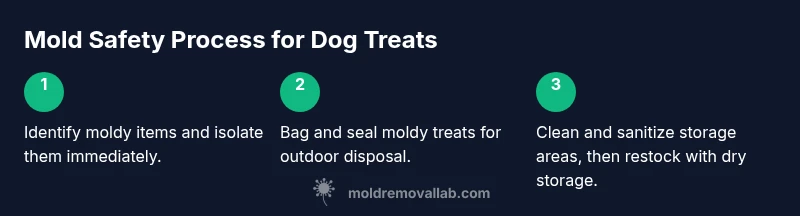
If you encounter mold on dog treats, act quickly and safely. First, remove the moldy items from the pantry or pet storage area and place them in a sealable bag. Do not sniff mold directly or crush it; spores can become airborne. Next, seal the bag and discard it with household trash, ideally outside the living area to minimize exposure. Clean the storage container with hot, soapy water, rinse, and dry completely before reusing. Wipe surrounding shelves with a mild disinfectant and allow them to air dry. Finally, inspect nearby treats for signs of mold and re-check seals or moisture sources to prevent recurrence. The Mold Removal Lab team reminds readers that proper disposal and sanitation are critical steps in stopping mold from spreading to other items or pets.
Preventing mold in dog treat storage
Prevention starts with controlling moisture and choosing sturdy containers. Store dog treats in airtight, pest-proof containers that are kept in a cool, dry place away from heat sources. Avoid plastic bags that trap moisture; instead, use containers with tight-fitting lids and desiccant packs if appropriate. Keep pantry temperatures stable and use a dedicated area for pet foods to minimize cross-contamination. Label bags with dates and shelf life; discard any item past its recommended window. Regularly check for condensation, leaks, or signs of spoilage and rotate stock so older items are used first. By maintaining dry, clean storage, you reduce the chances that a treat will become a mold habitat.
When to consult a veterinarian or a professional
If a dog shows signs of distress after eating a moldy treat — vomiting, diarrhea, drooling, or lethargy — contact a veterinarian promptly. Do not wait for a routine check-up; mold-related toxins can affect dogs differently depending on their size, health, and exposure level. If you realize a large portion of treats was exposed to moisture or visible mold, consider asking a local pet store or a certified mold remediation professional for guidance on cleaning storage areas and preventing recontamination. For more severe cases or uncertain exposures, Mold Removal Lab recommends a veterinary assessment to rule out toxin-related complications.
Quick reference pantry safety checklist
- Inspect packaging for damage before bringing treats home
- Use airtight, moisture-absorbing containers
- Store in a cool, dry place away from heat
- Separate pet foods from human foods to prevent cross-contamination
- Label expiration dates and rotate stock
- Clean shelves and containers regularly with a safe disinfectant
- Dispose of any item with visible mold immediately
Practical actions you can take today
Taking a few minutes to reset your pantry now can prevent mold problems later. Start by emptying the pet food area, discarding any moldy items, and washing the shelves with soap and water. Let everything dry completely before restocking. Reorganize the area to improve airflow and use sealed containers designed for pet foods. By incorporating these small habits, you’ll reduce moisture buildup and help ensure dog treats stay safe.
Tools & Materials
- Disposable gloves(Protect hands when handling moldy items)
- Seal-able trash bags(Rinse and bag moldy treats securely)
- Soap and water(For cleaning surfaces)
- Disinfectant suitable for kitchens(Use as directed on surfaces)
- Microfiber cloths(For wiping shelves)
- Desiccant packs(Moisture control in storage)
Steps
Estimated time: 45-60 minutes
- 1
Identify moldy items and isolate
Scan all dog treat containers and packaging for visible mold, unusual odors, or moisture damage. Remove affected items from the pantry and place them in a sealed bag to prevent spores from spreading.
Tip: Wear gloves and avoid shaking the moldy items to minimize airborne spores. - 2
Bag and seal moldy treats
Seal the moldy items in a heavy-duty bag before disposing of them in an outdoor trash can. Do not leave moldy items exposed in litter bins or indoor trash.
Tip: Double-bag if the mold appears extensive or if the bag is damaged. - 3
Dispose outside the living area
Take the sealed bag to an outdoor curbside or waste receptacle promptly. Wash hands after disposal and avoid touching your face during the process.
Tip: Keep pets away from the disposal area during and after disposal. - 4
Sanitize storage containers
Wash the containers that held moldy treats with hot, soapy water, rinse well, and air-dry. If containers show compromise, replace them.
Tip: Use a disinfectant on reusable containers and allow to dry completely before refilling. - 5
Inspect nearby treats
Check other treats in the same storage area for signs of mold or moisture intrusion. If you see any issue, remove those items and re-evaluate storage conditions.
Tip: Rotate stock to ensure older items are used first and monitored regularly. - 6
Restore dry storage conditions
Dry storage space is essential. Improve airflow, use airtight containers, and consider a dehumidifier or moisture-absorbing products in humid climates.
Tip: Aim for a consistently cool, dry environment to slow mold growth. - 7
Record dates and plan ahead
Date new containers and keep a simple log of shelf life. Plan periodic checks for moisture, odors, and packaging integrity to catch problems early.
Tip: Set a reminder to audit pet treat storage every 4–6 weeks.
FAQ
Can mold on dog treats be dangerous to my dog?
Yes. Mold can produce toxins that may affect dogs differently based on size and health. If you see mold, discard the treats and monitor your dog for any signs of illness. If symptoms appear, contact a veterinarian promptly.
Mold on dog treats can be dangerous; discard and watch your dog for any signs of illness. Contact a vet if symptoms arise.
Should I test treats for mold at home?
Home mold testing is not reliable for pet foods. Discard moldy items, clean storage areas, and replace if necessary. If you suspect widespread contamination, consult a professional.
Home testing isn't reliable for pet foods. Just discard, clean, and replace as needed.
Is it safe to feed moldy treats after drying or heating?
No. Drying or heating does not reliably remove mold toxins. If mold has touched the treats, discard them and avoid giving them to your dog.
Do not try to salvage moldy treats; discard them to protect your dog.
What storage conditions help prevent mold on dog treats?
Keep treats in airtight, moisture-controlled containers in a cool, dry place. Separate pet foods from human foods and rotate stock to minimize moisture buildup.
Store treats in dry, sealed containers away from heat and moisture.
What should I do if my dog eats a moldy treat?
If ingestion is suspected, observe for symptoms such as vomiting or diarrhea and contact your veterinarian promptly. Provide information about exposure and any symptoms to aid assessment.
If your dog eats moldy treats, call your vet if you notice signs of illness.
Watch Video
The Essentials
- Discard moldy treats immediately
- Store pet treats in dry, sealed containers
- Inspect packaging for moisture before purchase
- Sanitize surfaces after handling moldy items
- Consult a vet if your pet shows symptoms