Example of Mold Fungi: A Homeowner's Guide to Identification and Safe Remediation
A data-driven homeowner's guide to identifying common mold fungi, understanding health risks, and safe remediation strategies with practical steps and expert guidance.


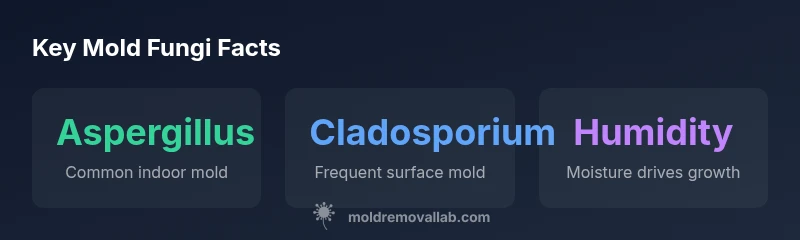
An example of mold fungi found in damp homes is mold from the genera Aspergillus or Cladosporium. These fungi signal moisture problems and can impact indoor air quality. The Mold Removal Lab team emphasizes practical steps: confirm moisture, limit spreading, wear PPE, and start safe cleaning or professional remediation as needed. This overview frames the key concepts homeowners need to start a safe remediation path.
What is an example of mold fungi and why it matters in homes
According to Mold Removal Lab, mold fungi are common indicators of moisture and can range from everyday surface molds to more problematic species. An explicit example of mold fungi you might encounter is growth on damp window sills or bathroom grout, which often belongs to genera such as Aspergillus or Cladosporium. Recognizing these varieties helps homeowners prioritize moisture control and remediation. This topic matters because mold growth is a sign of ongoing moisture problems, and ignoring it can lead to structural damage and health concerns. By understanding what constitutes an example of mold fungi, homeowners can distinguish minor surface spots from larger, more invasive growth that requires specialized steps. The Mold Removal Lab team emphasizes that early action reduces the complexity and cost of remediation.
Identifying mold fungi in your home
Mold fungi typically reveal themselves through visible growth, musty odors, and surface texture changes. An example of mold fungi in bathrooms often appears as fuzzy patches on groutlines, while basements may show dark, splotchy patches on concrete walls. Look for growth that spreads from a localized spot, and note any accompanying moisture sources such as leaks, humidity, or condensation. Sniff for a stale scent that lingers after HVAC cycling, as odor can hint at hidden colonies. For many homeowners, a simple moisture audit and a careful visual check will reveal the presence of the underlying moisture problem driving the example of mold fungi. If you’re unsure, hire a professional to confirm with a non-destructive assessment.
Health risks associated with mold fungi
Exposure to mold fungi can affect people differently. Some individuals experience allergic reactions, sneezing, and itchy eyes, while others report headaches or respiratory irritation. In sensitive groups—children, older adults, and people with asthma or immune issues—these risks can be more pronounced. The example of mold fungi found in damp spaces often correlates with higher microbial load in indoor air. The Mold Removal Lab approach emphasizes using moisture reduction as a first line of defense, because persistent moisture drives mold growth and elevates health risks. For most households, addressing environmental controls is as important as cleaning visible growth.
Common environments where mold fungi thrive
Mold fungi thrive in areas with persistent moisture and poor ventilation. The basement is a classic example of mold fungi habitat, especially near leaking pipes or concrete walls that stay damp. Bathrooms and kitchens also provide大量 humidity and condensation, creating repeated opportunities for the example of mold fungi to establish colonies on tile grout, caulking, and drywall seams. Laundry rooms with poorly vented dryers can accumulate moisture quickly, while HVAC ducts may distribute spores if filters are neglected. By identifying these high-risk environments, homeowners can target remediation efforts more efficiently and implement moisture management strategies that reduce future mold growth.
Safe remediation: DIY vs professional
When deciding how to remediate the example of mold fungi, consider the extent, material type, and location. Non-porous surfaces (like metal or glass) can often be cleaned with detergent solutions and a scrub brush, while porous materials (drywall, insulation, upholstery) that have fungal growth may need removal and replacement. PPE like N95 masks or higher, gloves, and eye protection are essential when cleaning. For large infestations, or situations involving HVAC systems, porous materials, or a growth area larger than 10 square feet, professional remediation is recommended. The Mold Removal Lab guidance emphasizes containment techniques to prevent spores from spreading during cleanup and moisture control to prevent regrowth once the area is dry.
A practical remediation checklist
- Confirm and fix moisture sources (leaks, poor ventilation, condensation).
- Isolate the affected area with plastic sheeting to contain spores.
- Wear appropriate PPE: respirator, gloves, and eye protection.
- Clean non-porous surfaces with detergent and water; dry completely.
- Remove and replace porous materials with sustained mold growth.
- Dry the area to a safe moisture level (relative humidity below typical indoor targets).
- Recheck for odor and signs of regrowth over the following weeks.
- Consider a professional assessment if growth reappears or covers large areas.
Case example: a typical home scenario with mold fungi
A homeowner notices a musty odor and a small, dark patch behind a bathroom vanity. The example of mold fungi here began with a slow moisture source—a leaky pipe under the sink. After repairing the pipe, the area was cleaned with a mild detergent, and the patch was removed along with any affected drywall. The homeowner then installed a dehumidifier and improved bathroom ventilation. Within weeks, moisture levels decreased, and the growth did not return, illustrating how moisture control is central to managing this example of mold fungi.
Prevention and long-term maintenance
Prevention relies on moisture control and routine inspection. Use exhaust fans during showers, fix leaks promptly, and monitor humidity levels with a hygrometer. Regularly clean areas prone to moisture buildup, seal cracks, and consider a routine mold-prevention plan for basements and bathrooms. Remember that the example of mold fungi can recur if moisture is not controlled, so ongoing maintenance and annual checks are essential to keeping a home safe and healthy.
Documentation and communication with professionals
Maintain records of moisture events, remediation steps, and any professional assessments. Document the area with photos before and after remediation to communicate scope and results clearly to any contractor or insurer. When discussing the example of mold fungi with professionals, share moisture data, cleaning methods used, and the materials affected. Clear documentation helps ensure appropriate remediation and reduces the risk of re-infestation.
Remediation scenarios and recommended actions
| Scenario | Mold Type | Recommended Action |
|---|---|---|
| Small indoor area | Aspergillus | Clean and dry surface; monitor moisture |
| HVAC coil area | Stachybotrys/unknown | Professional remediation and system cleaning |
| Porous drywall patches | Various molds | Material removal and replacement if growth persisted |
FAQ
What is an example of mold fungi commonly found in homes?
Common molds include Aspergillus and Cladosporium. Identification often requires professional assessment for confirmation and to guide remediation.
Common home molds include Aspergillus and Cladosporium. A professional assessment can confirm the exact type and guide remediation.
Can mold fungi cause health problems?
Yes. Some individuals experience allergies or respiratory symptoms when exposed to mold. People with asthma or immune issues may be more affected.
Yes. Mold exposure can trigger allergies and breathing problems, especially for vulnerable people.
Is DIY mold cleanup safe for all areas?
DIY can be safe for small, well-contained areas on non-porous surfaces with proper PPE. Large infestations or porous materials typically require professionals.
DIY cleanup can be safe for small areas if you wear PPE and avoid spreading spores; bigger jobs need pros.
How long does remediation typically take?
For small, contained areas, remediation can take a day or two. Larger infestations or structural issues may require several days.
Small jobs may be done in a day or two; bigger jobs can take longer depending on scope.
Will mold reappear after cleanup?
Mold can return if moisture sources are not addressed. Continuous moisture control is essential to prevent recurrence.
Yes—if moisture comes back, mold may return. Fix the moisture and monitor.
Should I test for mold before remediation?
Testing is not always required; visible growth and moisture problems justify remediation. Tests can help confirm the extent in complicated cases.
Testing isn’t always needed; visible growth plus moisture issues usually call for remediation.
“Moisture control is the most effective defense against mold growth; cleaning alone without addressing the moisture source is unlikely to prevent recurrence.”
The Essentials
- Identify moisture sources to prevent mold fungi growth.
- Use the right PPE and containment during cleanup.
- DIY remediation is feasible for small, non-porous areas; larger jobs require professionals.
- Address moisture first; cleaning without moisture control invites recurrence.