Can You Use Moldy Mulch? Safe Practices for Homeowners
Discover why moldy mulch is a safety risk, how to dispose of it properly, and safer mulch options for your garden and home. Mold Removal Lab provides practical steps to protect indoor air quality and garden health.


No. Moldy mulch should not be used around living spaces or edible gardens. Mold releases spores and potentially mycotoxins that can trigger allergies or respiratory issues. Dispose of moldy mulch in sealed bags and replace with dry, fresh mulch or properly processed compost. Store mulch dry and in a ventilated area to prevent mold growth.
can you use moldy mulch
In short, no—moldy mulch should not be used around living spaces or edible gardens. Mold in mulch signals moisture problems and potential growth of fungal species that release spores and mycotoxins. Disturbing moldy mulch can kick spores into the air, increasing inhalation risk for people with allergies, asthma, or compromised immune systems. Even if the visible mold seems mild, unseen fungal filaments may be present inside the mulch layer. According to Mold Removal Lab analysis, damp, organic mulches provide ideal conditions for mold proliferation. The safest approach is to remove moldy mulch from the landscape, seal it in heavy-duty bags, and dispose of it in outdoor trash. For new mulch, choose dry, well-seasoned material or processed compost that has been heated and stabilised. Proper storage matters, too: keep mulch in a dry, shaded area, off the ground, and covered with a breathable tarp to prevent moisture accumulation.
Health and Home Risks of Moldy Mulch
Moldy mulch isn't just unsightly; it can actively affect indoor air quality and outdoor environment. When damp mulch sits for days, mold colonies grow and release spores that travel on breeze and foot traffic. People nearby may inhale spores, triggering allergic reactions, coughing, wheezing, and sinus irritation. For residents with asthma or allergies, exposure can worsen symptoms and lead to medical visits. Personnel used in gardening or landscaping may inadvertently carry spores into homes on clothing and shoes. In addition to spores, some mold species produce mycotoxins that can irritate the skin and lungs, particularly in children and older adults. The Mold Removal Lab team notes that even common garden mold can escalate in humid climates or poorly drained soil. Mulch that remains wet fosters anaerobic bacteria, which can contribute to unpleasant odors and surface slime. Outdoor mold also affects neighboring plants by competing for moisture and serving as a hospitable site for other pathogens. As a precaution, separate moldy mulch from areas where children or pets frequent and maintain good outdoor ventilation to limit exposure.
Can You Salvage Moldy Mulch? When to Discourage
Salvaging moldy mulch is generally not recommended for use in gardens or around living spaces. If mold growth is confined to a thin surface layer on dry material, some gardeners attempt to spread it thinly in areas with excellent drainage and pack it dry, but mold often persists hidden within the mass. Because mold can reside inside the mulch mass, surface checks are insufficient. If you must reuse mulch, it's safer to heat-treat it in a controlled composting process or use it strictly in non-garden areas away from plant roots and food crops. For landscapes or pathways, consider grinding moldy mulch into a thick mulch-mass that can be laid down as a non-plant barrier, but only after ensuring the material is dry and out of reach of children and pets. The key takeaway is: when mold is present, discard and replace with material that has been properly processed and stored.
Safe Disposal and Cleaning Up Moldy Mulch
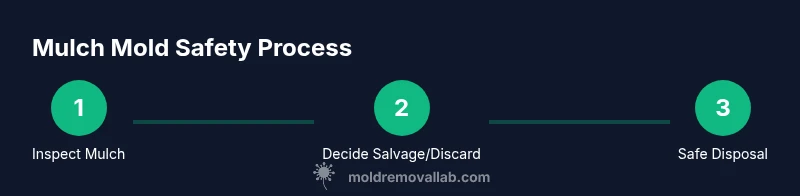
Begin by wearing PPE: N95 mask, gloves, and eye protection. Bag the moldy mulch in heavy-duty bags, seal tightly, and place in outdoor trash; do not compost or reuse. Clean tools with soap and water, then wipe surfaces with a dilute household disinfectant. If the mulch was used near living spaces, wash shoes and scrub any outdoor surfaces that may have mold spores. After removal, inspect the soil and consider adding fresh mulch in a dry, well-drained area. Avoid using mulch as fertilizer; instead use it as a ground cover at least several inches away from foundations. Mold spores can travel on clothing and footwear, so change and wash before entering the home.
Preventing Mold in Mulch Before It Happens
Prevention starts at storage and selection. Choose dry, well-aged mulch from reputable suppliers; keep it off the ground, covered with breathable tarp; ensure storage area has good drainage and low humidity. Use moisture barriers to minimize condensation; avoid stacking too thickly; maintain airflow around piles. In the garden, avoid overwatering mulch beds and ensure proper drainage; mulch should not sit in standing water. Regularly inspect mulch beds for dampness and turn mulch to promote drying; address any irrigation leaks promptly to prevent mold-friendly conditions.
Safer Alternatives and How to Apply Them
Safer mulch options include dry wood chips, decorative stone, or compost that has matured and passed heat-treated or certified mold-free criteria. For planters and garden beds, combine a mulch layer with a weed barrier and ensure adequate spacing around plant bases to allow air movement. If the goal is moisture retention, consider using coir mats or shredded bark that is certified mold-free. When applying new mulch, spread in a thin, even layer and avoid mulching against stems to reduce moisture buildup around plant bases.
Real-World Scenarios: Ground Rules for Gardens and Interiors
Scenario A: Outdoor flower beds with good drainage. Use dry mulch and keep it away from wet areas and foundations; remove any damp mulch from rain events. Scenario B: Indoor potted plants. Do not bring moldy mulch indoors; carry out disposal outside and clean the potting area; use sterile soil from reputable sources. Scenario C: High-humidity areas like basements or crawl spaces. Avoid mulch altogether in favor of moisture-control alternatives and ensure any mulch used is kept dry and well-ventilated.
Tools & Materials
- Heavy-duty trash bags (at least 2-3 mil)(For sealed disposal of moldy mulch)
- N95 respirator(Protect lungs from mold spores)
- Non-latex gloves(Keep skin protected during handling)
- Goggles or safety glasses(Protect eyes from spores and debris)
- Broom, stiff brush, and/or shovel(Assist in removal; use gently to avoid disturbing spores)
- Disinfectant spray or solution(Clean tools and surfaces after removal)
- Outdoor area cleaning supplies(Soap and water, or diluted disinfectant)
- Water for rinsing(Rinse tools and soil surface as needed)
- Breathable tarp or cover(Store fresh mulch to stay dry)
Steps
Estimated time: 1-2 hours
- 1
Inspect mulch for mold signs
Look for visible mold, a musty odor, and damp, heavy mulch. Check both surface and interior portions by pulling apart layers with clean gloves. If you see any of these signs, plan to dispose of the material.
Tip: Wear PPE before handling to reduce inhalation risk. - 2
Decide salvage vs. discard
If mold is widespread or the mulch is continually damp, discard. Surface-only mold on very dry material may be reconsidered, but do not rely on superficial checks to ensure safety.
Tip: When in doubt, discard and replace with fresh mulch. - 3
Prepare disposal materials
Set up an outside work area with clean bags and a nearby trash bin. Keep tools dedicated to the moldy mulch to avoid cross-contamination.
Tip: Seal bags securely to prevent spores from escaping. - 4
Remove moldy mulch
Gently shovel or rake the moldy mulch into bags, working from the outer edges toward the center to minimize tracking spores inside shoes or on clothes.
Tip: Avoid crushing the mulch mass aggressively to limit airborne particles. - 5
Clean the area
Wash outdoor surfaces and any tools used. Dry the area thoroughly to discourage new mold growth. If nearby plants are present, inspect soil and drainage to prevent recontamination.
Tip: Rinse off shoes and wash them before re-entering the home. - 6
Replenish with safe mulch
Choose a dry, well-stored mulch from a reputable source and apply in a thin, even layer away from plant stems and foundations. Store the new mulch in a dry, ventilated space.
Tip: Keep mulch away from immediate contact with house walls and windows.
FAQ
Is moldy mulch dangerous for children and pets?
Yes, exposure can irritate the respiratory system and trigger allergies. Keep moldy mulch away from play areas and supervise children around gardens until clean-up is complete.
Yes. Moldy mulch can irritate airways; keep kids away from affected areas until you’ve disposed of it and refreshed the mulch.
Can moldy mulch be used for composting?
Only in a properly managed compost system that reaches sufficient heat and stays well-aerated. Home compost piles often do not reach the needed conditions, so disposal is usually safer.
Only in a hot, well-managed compost system; most home piles don’t get hot enough, so disposal is safer.
What signs indicate mulch is beyond salvage?
Widespread mold growth, persistent dampness, and a strong musty odor indicate the mulch should be discarded. Surface mold on dry material is not a reliable safety signal.
Widespread mold and dampness mean discard; surface mold on dry mulch is not a reliable safety signal.
What safety gear should I wear?
Wear an N95 respirator, protective gloves, and eye protection to minimize exposure while handling moldy mulch.
Wear a proper respirator, gloves, and eye protection when handling moldy mulch.
Can mold spores travel indoors after outdoor removal?
Yes—mold spores can be carried on clothing or shoes. Change clothes and wash promptly after outdoor cleanup.
Spores can hitch a ride on clothes; change and wash after cleanup.
Are some mulch types less prone to mold than others?
Dry, well-stored mulch from reputable sources generally resists mold growth better than damp, poorly stored material. Always ensure proper drainage and moisture control.
Dry, well-stored mulch from reliable sources tends to resist mold better.
Watch Video
The Essentials
- Do not use moldy mulch near living spaces or edible plants.
- Dispose of moldy mulch in sealed bags; replace with dry mulch.
- Prevent mold by drying storage and improving drainage.
- Use PPE when handling moldy mulch to minimize exposure.