Can Rubbing Alcohol Kill Mold? A Practical Guide for Homeowners
Explore whether rubbing alcohol can kill mold, its limits on different surfaces, and safer cleaning strategies. Mold Removal Lab provides practical guidance for homeowners in 2026.


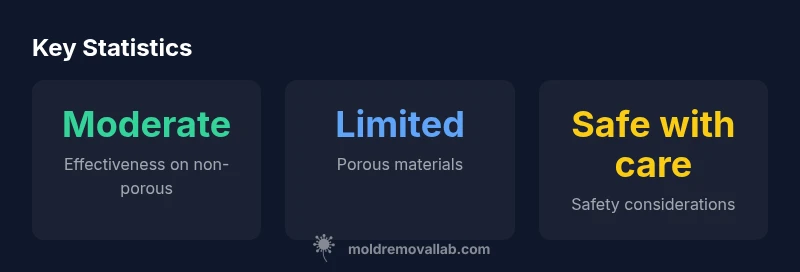
According to Mold Removal Lab, rubbing alcohol can kill mold on non-porous surfaces with direct contact, but it is not a reliable or complete remediation solution. It does not reach mold growth inside porous materials and won’t prevent future growth. For best results, follow approved cleaning methods and seek professional remediation for larger infestations.
Can rubbing alcohol kill mold: can rubbing alcohol kill mold? can rubbing alcohol kill mold is a question homeowners often ask when they spot a fuzzy growth on bathroom tile or a damp wall. In short, can rubbing alcohol kill mold? The answer depends on surface type and the extent of contamination. The Mold Removal Lab Team emphasizes that alcohol may disinfect exposed, non-porous surfaces, but it does not remove mold embedded in porous substrates like drywall or wood. This distinction is crucial for homeowners seeking durable results rather than quick surface wipes.
Surface type matters: non-porous vs porous materials
Non-porous surfaces—such as glass, metal, tile, and sealed enamel—can show mold on the surface that rubbing alcohol can disrupt with direct contact. However, porous materials such as drywall, plaster, fabric, and insulation can harbor mold within their structure. On these substrates, alcohol-based cleaning is unlikely to reach embedded colonies or provide long-term control. As Mold Removal Lab notes, relying solely on rubbing alcohol on porous materials may lead to recurrence even after a visible cleanup. This surface-dependent difference is a key reason why many experts advocate a broader remediation strategy that includes moisture control and material replacement where needed.
Step-by-step cleaning with rubbing alcohol (where appropriate)
- Prepare: Wear gloves and eye protection; ensure good ventilation.
- Test: Apply a small amount on a hidden area to check for discoloration or material damage.
- Apply: Dampen a cloth with 70% isopropyl alcohol and rub the moldy spot with steady, direct contact for 5–10 minutes.
- Wipe: Remove residues with a clean, dry cloth and allow the area to air-dry completely.
- Assess: If mold returns within days, it likely indicates a moisture problem or porous substrate needs more intensive remediation.
- Document: Note the area size and steps taken, especially for larger or repeated outbreaks.
Why rubbing alcohol is not a substitute for professional remediation
Alcohol can clean visible mold on non-porous surfaces, but it does not address hidden growth, porous substrates, or moisture issues that allow mold to return. For outbreaks larger than a few square feet, or when porous materials are involved, professional remediation is the safer and more effective path. The Mold Removal Lab team stresses moisture control as the cornerstone of long-term mold prevention, alongside comprehensive removal.
Safer alternatives and best practices for mold cleanup
- Prefer detergents and water for initial cleaning on many surfaces; scrubbing helps remove visible mold.
- Use EPA-registered mold cleaners or solutions recommended for your surface type, and follow label directions.
- On non-porous surfaces, bleach can be considered in accordance with guidelines, but never mix cleaners and always ventilate.
- Dry the area thoroughly after cleaning and address underlying moisture (leaks, humidity) to prevent regrowth.
- For large or persistent infestations, consult a licensed mold remediation professional to assess containment, containment, and moisture control strategies.
When to call a professional and next steps
If you notice mold covering more than 10 square feet, or if it’s spreading across porous materials such as drywall, call a professional. Document affected areas, take photos, and keep a moisture log (humidity levels, leaks, ventilation). A pro can perform containment, structural removal if needed, and implement a lasting moisture management plan to reduce recurrence. The Mold Removal Lab team recommends actionable next steps: confirm moisture sources, dry out the area, and pursue professional remediation for extensive cases.
Comparing common cleaners for mold cleanup across surface types
| Cleaner | Best Surface Type | Mold Kill Effectiveness | Notes |
|---|---|---|---|
| Isopropyl alcohol | Non-porous surfaces | Partial mold kill on contact | Fast-drying; use with ventilation |
| Bleach (sodium hypochlorite) | Non-porous surfaces | Disinfects surface; not effective on porous | Ventilate; dilute; avoid fumes |
| Detergent + water | All surfaces including porous | Removes mold residue; does not kill spores | Rinse and dry thoroughly |
| Professional remediation | Porous and non-porous areas | Full removal; moisture control essential | Best for large infestations |
FAQ
Can rubbing alcohol kill mold?
Yes, on non-porous surfaces with direct contact, but it is not a complete remediation solution for hidden or porous mold.
On non-porous surfaces, rubbing alcohol can kill exposed mold, but it won’t reach mold inside porous materials.
Is rubbing alcohol safe to use on drywall?
Drywall is porous and can harbor hidden mold; rubbing alcohol is unlikely to fully remove it. Safer to use detergents/approved cleaners and address moisture.
Drywall is porous, so alcohol may not clean or prevent regrowth; consider professional help for drywall mold.
What should I use instead of rubbing alcohol?
detergents and water for cleaning, plus EPA-registered mold cleaners. For large or porous contamination, professional remediation is advised.
Start with detergent and water, then consider professional help for bigger problems.
Can rubbing alcohol prevent mold from returning?
No. Preventing regrowth requires moisture control and complete removal of mold; alcohol alone is insufficient.
Alcohol doesn’t prevent regrowth; fix moisture and clean thoroughly.
When should I call a professional?
If mold covers more than 10 square feet or involves porous materials, contact a licensed mold remediation specialist.
Call a pro for larger areas or porous materials to ensure proper containment and removal.
Are there health risks using rubbing alcohol for mold cleanup?
Yes. Fumes can irritate eyes, nose, and lungs; use PPE and ensure good ventilation.
Use gloves, keep the area ventilated, and avoid inhaling fumes.
“Rubbing alcohol can assist with quick surface disinfection on non-porous materials, but it is not a substitute for thorough cleaning, drying, and moisture control.”
The Essentials
- Take action only after identifying surface type
- Don’t rely on rubbing alcohol for porous materials
- Ventilate well and dry thoroughly after cleaning
- Consider professional remediation for large or porous infestations
- Use moisture control as the foundation of prevention