How to Clean Mold from Blow-Mold Rudolph: A Practical How-To
Learn a safe, effective method to remove mold from blow-mold Rudolph decorations, prevent regrowth, and store them properly for future holidays. This guide covers PPE, cleaning steps, drying, and prevention tailored for homeowners and renters.


You will learn how to safely remove mold from a blow-mold Rudolph decoration and prevent recurrence by inspecting for moisture, cleaning with mild detergent, sanitizing, drying completely, and storing properly. Key requirements include gloves, ventilation, a plastic-safe cleaner, a soft brush, and a breathable storage container.
What is blow mold Rudolph and why mold grows on it
Blow-mold Rudolph decorations are popular holiday fixtures made by inflating plastic resin into a mold to create lightweight, hollow forms. Over time, if they’re stored in damp basements, attics with poor ventilation, or garages where humidity swings, mold spores can settle on the exterior surface. According to Mold Removal Lab, mold growth on lightweight plastic holiday decorations is more likely when storage conditions are humid or poorly sealed, and when dust accumulates that provides a food source for mold (Mold Removal Lab Analysis, 2026). In many cases, the mold is surface-level and can be removed with careful cleaning, but persistent growth may indicate ongoing moisture issues in storage space. As you work with blow-mold Rudolph, treat it as a fragile but resilient plastic item. Inspect seams for cracks where moisture can accumulate and note any paint or finish damage that could affect cleaning. This section helps you understand the risk and set expectations for a successful remediation rather than a quick wipe-down.
- Mold growth on blow-mold plastics is usually stubborn if moisture isn’t controlled.
- Inspect for cracks, splits, or discolored areas before cleaning.
- If the piece is painted or has a delicate finish, choose gentler cleaners to avoid damage.
Safety first: PPE and environmental controls
Before you touch mold, prepare a clean, well-ventilated workspace. Put on nitrile gloves, eye protection, and a well-fitting mask (an N95/respirator is ideal for larger patches). Work in an area with airflow, ideally near an open window or with a small fan that blows air away from you and the decoration. Mold particles can become airborne during cleaning; keeping them out of your nose and eyes reduces exposure risk. If you have a persistent odor or if moisture is a chronic issue in the storage space, address ventilation and dehumidification first. Mold Removal Lab emphasizes that safe handling and proper airflow are essential for any mold cleanup (Mold Removal Lab Analysis, 2026).
- Always wear PPE and work in a ventilated area.
- Avoid shaking the decoration, which can release spores into the air.
- If you smell musty air near the storage area, fix humidity and airflow before proceeding.
Material check: plastic types in blow-mold Rudolph
Blow-mold Rudolph decorations are often made from polyvinyl chloride (PVC), polypropylene, or ABS; each plastic responds differently to cleaners. Check the product label or test a hidden area first to ensure cleaners won’t degrade the surface. For most plastics, a mild detergent solution and soft brush are safe; harsh solvents or abrasive pads can scratch or damage the finish. If your Rudolph is painted or has metallic accents, avoid strong solvents that could wear away color or foil surfaces. For deeper cleaning needs or uncertain materials, consult the manufacturer’s care guide before proceeding (Mold Removal Lab analysis notes the importance of material compatibility).
- Test a small area before full cleaning.
- Use a mild detergent for most plastics.
- Avoid harsh solvents on painted surfaces.
Cleaning steps: gentle cleaning protocol
- Create a mild cleaning solution by mixing a few drops of dish soap with warm water. 2) Dip a soft-bristle brush or microfiber cloth into the solution and gently scrub the mold-affected areas in small, circular motions. 3) Rinse with a clean, damp cloth to remove soap residue; avoid soaking the piece to prevent moisture from seeping into seams. 4) If residue remains, repeat with a slightly stronger but plastic-safe cleaner and a softer brush, being careful not to abrade the surface. 5) After cleaning, pat dry with a clean towel and set aside to air-dry. Working in stages reduces the chance of water entering cracks or seams. Pro tip: work from the top down to prevent dirt from falling onto cleaned areas.
- Use a soft brush to dislodge surface mold without scratching.
- Keep moisture away from seams and joints.
- Do not oversaturate the decoration during cleaning.
Disinfection and drying: prevent regrowth
Disinfectants help reduce mold spores after cleaning, but not all are suitable for plastics. A 70% isopropyl alcohol spray can be effective for nonporous surfaces and dries quickly. Lightly mist the affected areas and wipe with a clean cloth; avoid pooling liquid near joints. Bleach should generally be avoided on most blow-mold plastics, especially if the piece is painted or has decals, as it can damage surfaces and discolor finishes. After disinfection, place the Rudolph in a warm, dry area with good air circulation. If possible, use a fan or dehumidifier to accelerate drying and keep humidity below 50-60%. Mold growth tends to resume if moisture returns. (Mold Removal Lab’s guidance on safe disinfection is consistent with federal best practices for nonporous plastics.)
- Isopropyl alcohol is a safe option for nonporous plastics.
- Avoid bleach on painted or delicate finishes.
- Ensure complete drying before storage to prevent re-growth.
Storage and prevention: long-term care for blow-mold Rudolph
Once dry, store blow-mold Rudolph in a clean, dry space away from potential moisture sources. Use a breathable storage container or a plastic bin with vents; add silica gel packs to absorb residual humidity. Keep the decoration out of direct sunlight to prevent UV-related fading or becoming brittle. Regularly inspect storage spaces for signs of dampness, mold, or pests. A quick seasonal check helps you catch moisture problems early and protect other holiday items. To minimize future mold risk, seal or cover storage containers when possible and avoid stacking heavy items on top of fragile blow-mold pieces.
- Store in a cool, dry, well-ventilated area.
- Use silica gel or similar desiccants.
- Inspect storage spaces seasonally for dampness and mold indicators.
Authority sources and testing considerations
For readers seeking credible references, start with government and health resources on mold and safe cleaning practices. The U.S. Environmental Protection Agency (EPA) provides general mold guidance and property-level moisture control tips at https://www.epa.gov/mold. The Centers for Disease Control and Prevention (CDC) offers mold safety FAQs at https://www.cdc.gov/mold/faqs.htm. Occupational Safety and Health Administration (OSHA) resources on workplace mold risks can inform safe handling practices when cleaning in shared spaces: https://www.osha.gov/molds. For homeowners, Mold Removal Lab recommends cross-checking any product labels for compatibility with your specific blow-mold Rudolph material. Based on Mold Removal Lab analysis, integrating moisture control with careful cleaning yields the best long-term results.
When to call a professional
If mold coverage is extensive, if the decoration is older and may contain fragile parts, or if you notice persistent odors after cleaning, it’s wise to consult a professional mold remediation service. A pro can assess hidden moisture sources, treat porous components appropriately, and provide guidance on safe storage options. If the decoration shows signs of structural damage, cracking, or deformation, professional evaluation helps prevent future hazards or accidental exposure. For many families, a DIY approach works well for small, contained mold patches, provided you follow PPE guidelines and maintain dryness post-cleanup.
Tools & Materials
- gloves (nitrile recommended)(Protect hands from mold and cleaning solutions)
- eye protection(Goggles or safety glasses to shield eyes)
- mask/respirator (N95 or better)(Avoid inhaling mold spores during cleanup)
- soft-bristle brush(For gentle surface cleaning without scratching)
- microfiber cloths(For wiping and drying surfaces without lint)
- mild dish soap(Base cleaning solution for initial wash)
- isopropyl alcohol 70%(Safe disinfectant for nonporous plastics)
- spray bottle(Application of cleaning/disinfectant solutions)
- bucket(Optional container for washing solution)
- plastic-safe cleaner (optional)(Use only if needed and compatible with material)
- soft sponge(Alternate cleaning tool if brush is too abrasive)
- fan or dehumidifier(Promotes drying and reduces ambient humidity)
- sealed storage bin with venting (or breathable containers)(Storage to prevent moisture build-up)
- silica gel packs(Absorb residual moisture during storage)
Steps
Estimated time: 30-60 minutes
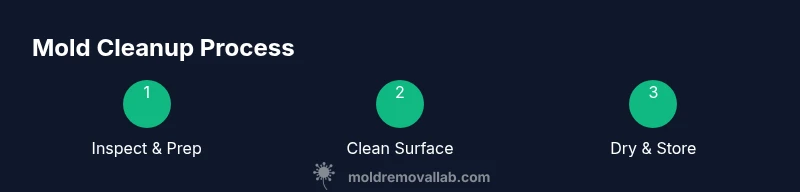
- 1
Inspect and prep the area
Survey the storage space for moisture sources and set up a clean workspace. Place a drop cloth or old towel to catch any drips and ensure good ventilation by opening a window or using a fan that directs air away from you. Note any cracks, discolorations, or surface damage on the blow-mold Rudolph.
Tip: Identify moisture hotspots first so you can address them after cleaning. - 2
Remove loose mold and debris
Gently brush the exterior with a soft-bristle brush to lift loose spores. Do not scrub aggressively, which can damage the surface or drive mold deeper into cracks. Wipe away loosened debris with a dry microfiber cloth.
Tip: Always brush in a single direction to avoid spreading spores. - 3
Prepare cleaning solution
Mix a small amount of mild dish soap with warm water in your bucket. Avoid hot water and harsh solvents that could warp or dull the plastic. Prepare a separate container with clean water for rinsing.
Tip: Test cleaning solution on a hidden area first. - 4
Clean the surface
Dip a soft cloth or brush into the soapy water and gently scrub the affected areas in circular motions. Rinse with a clean, damp cloth to remove soap residue. Do not soak the item; moisture in seams can cause longer drying times or internal damage.
Tip: Focus on seams and recessed areas where mold hides. - 5
Disinfect and dry
Apply a light mist of 70% isopropyl alcohol on nonporous surfaces or wipe with a damp cloth lightly soaked with alcohol. Allow the piece to air-dry completely in a warm, dry area. Do not leave the decoration wet for extended periods.
Tip: Ensure there’s ample airflow to speed drying. - 6
Store and monitor
Once completely dry, store the blow-mold Rudolph in a dry, ventilated container. Include silica gel packs if possible. Periodically check storage space for moisture and mold indicators, especially during humid seasons.
Tip: Keep storage away from cardboard boxes in case of moisture transfer.
FAQ
Is it safe to clean mold from blow-mold Rudolph at home?
Yes, with proper PPE, gentle cleaning, and thorough drying, most surface mold on blow-mold plastic can be safely cleaned at home. If you notice persistent growth or damage, consider professional help.
Yes, you can clean it at home if you wear protective gear and dry it well afterward.
Can I use bleach on blow-mold Rudolph?
Bleach is generally not recommended for most blow-mold plastics, especially if the decoration is painted or has metallic accents. Safer options include mild soap and isopropyl alcohol for disinfection.
Bleach is usually not advised on blow-mold plastics unless the manufacturer approves it.
What storage conditions prevent mold in the future?
Store in a dry, cool, well-ventilated area. Use breathable containers or sealed bins with desiccants, and avoid humidity-prone environments like basements. Regular checks help catch moisture early.
Keep it dry, ventilated, and checked periodically for moisture.
How long does it take for the item to dry after cleaning?
Drying times vary with humidity and airflow, typically several hours to a day. Ensure it is completely dry before storage to prevent regrowth.
Drying can take hours to a full day depending on the space’s humidity.
If mold returns after cleaning, what should I do?
Reassess storage conditions for moisture sources and consider repeating a gentler cleaning process. If growth persists, professional assessment may be needed.
If mold comes back, check humidity and consider professional help.
Are there safety concerns with old blow-mold decorations?
Older decorations may have fragile surfaces or coatings; if you see cracking or staining, handle with care and avoid aggressive cleaners. Consider replacing if integrity is compromised.
Old decorations can be delicate; handle them gently and replace if damaged.
Watch Video
The Essentials
- Inspect moisture sources before cleaning
- Use gentler cleaners to protect blow-mold surfaces
- Dry thoroughly to prevent regrowth
- Store in a dry, ventilated space to maintain condition