How to Remove Black Mold from Clothes: A Practical Guide
Learn safe, proven steps to remove black mold from clothing, protect your family, and prevent future growth with practical tips, fabric-specific methods, and expert guidance from Mold Removal Lab.


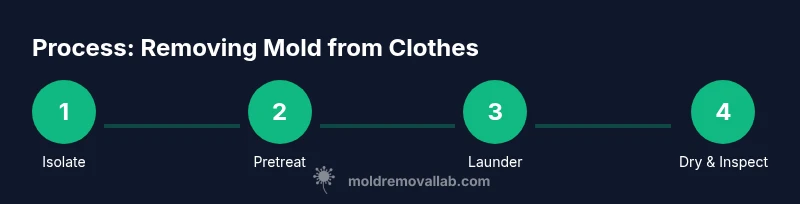
To remove black mold from clothes, isolate contaminated items, pretreat with a color-safe approach, launder on hot water with a mold-killing additive, and dry thoroughly. For whites, chlorine bleach can help; for colors, hydrogen peroxide or white vinegar are safer. If mold returns after washing, discard the fabric and repeat with care.
What is black mold on clothes and why it matters
Black mold on clothes is more than a cosmetic stain. It represents an active mold colony that can continue to release spores when fabrics remain damp. For homeowners and renters, this is not just a visual problem—it can trigger allergic reactions, coughing, and asthma symptoms in sensitive individuals. According to Mold Removal Lab, fabrics showing visible black mold should be treated promptly to reduce exposure and prevent indoor spread. The Mold Removal Lab Team notes that removing mold from textiles usually requires a combination of pretreatment, thorough washing, and complete drying. If you see black or greenish spots on clothing, treat it as mold-contaminated and follow a structured cleanup plan rather than scrubbing aggressively, which can damage fibers and release more spores.
Safety first: protective gear and handling contaminated clothing
Handling moldy clothing can release spores into the air, so protect yourself with proper gear and organized steps. Wear nitrile or latex gloves, a respirator rated for particulates (N95 or equivalent), and eye protection. Work in a ventilated area; open windows or use a fan to direct air away from living spaces. Place contaminated items in a sealed bag or container to prevent spread, and avoid shaking fabrics which can aerosolize spores. After handling, wash your hands thoroughly and sanitize any surfaces the items touched. These precautions reduce exposure for household members and pets, especially children and individuals with respiratory conditions.
Spotting mold growth: signs on fabrics and how to test safely
Visible colonies often appear as black, green, or gray patches, and fabrics may have a musty odor. Mold can penetrate fibers, so even unseen growth beneath the surface is possible. If a textile feels damp or has a persistent odor after washing, treat it as potentially moldy and consider a second cleaning cycle or professional assessment. Remember that some fabrics may be more permeable to mold spores than others, which affects both cleaning strategy and disposal decisions. Mold can also return if laundry areas stay humid or if items remain in damp closets after washing.
Pre-treatment decisions by fabric type
Care labels are your first guide. Check fiber content and whether the fabric is colorfast. For cottons and blends that tolerate moisture, pretreat moldy areas with a stain remover or a color-safe solution, then proceed to washing. Delicate fabrics (silk, wool, cashmere) require gentler handling and may need hand-pre-washing or professional cleaning. Always test a small, inconspicuous area first to ensure colorfastness. If the item has sentimental or high value, consider a professional cleaning service before attempting aggressive treatments.
Cleaning methods by fabric type: cotton and blends
Cotton and most synthetic blends respond well to warm or hot water washing with regular laundry detergent. Treat stubborn spots with a mold-specific stain remover before washing. After washing, inspect the garment in good light. If any odor or color change remains, repeat the washing cycle with an appropriate mold-killing additive. Ensure you choose a method compatible with the fabric care label and avoid over-wetting delicate areas. Dry thoroughly after washing to prevent regrowth.
Cleaning methods by fabric type: synthetics, wool, and delicate fabrics
Synthetic fabrics like polyester and nylon typically tolerate higher washing temperatures; still, respect the care label. For wool and delicate fabrics, avoid heat-heavy cycles. Use cooler water, a mild detergent, and consider a color-safe bleach or hydrogen peroxide only if the fabric is colorfast. Always air-dry fragile items flat or on a rack, away from direct heat, to maintain shape and reduce damage. If odors persist after air-drying, repeat the gentle wash cycle.
When to use bleach vs color-safe alternatives
Bleach is most effective on white or colorfast fabrics, but it can damage colored textiles or certain fiber blends. Chlorine bleach should be avoided on most colored fabrics. Oxygen-based or color-safe bleaches can be safer options for many fabrics, provided the care label allows them. Always perform a patch test in a hidden area before full application, and never mix bleach with ammonia or other cleaners, which can create hazardous gases.
Drying, storage, and preventing re-growth
Dry clothes completely—prefer sun drying in dry climates or use a high-heat dryer if the fabric care label permits. Damp environments promote mold regrowth, so avoid closed, humid closets for recently cleaned items. Consider using silica gel packs or moisture absorbers in storage areas. After treatment, monitor for several days; if mold recurs, reassess washing steps or consult a mold remediation professional. The Mold Removal Lab team emphasizes thorough drying as a critical step in preventing recurrence.
Realistic expectations and when to seek professional help
Most clothes with light, surface mold can be salvaged with careful pretreatment and proper washing. Heavily contaminated fabrics, textiles with persistent odor, or garments with visible structural damage may require disposal. If mold returns after multiple cycles, or if the garment has sentimental or high value, seek professional remediation or cleaning services. The Mold Removal Lab analysis shows that persistent mold on textiles is a signal to re-evaluate storage conditions and potential cross-contamination in the home.
Tools & Materials
- Latex or nitrile gloves(Protect hands from mold and cleaning agents)
- N95 or equivalent respirator(Reduce inhalation of spores during handling and washing)
- Safety goggles or face shield(Prevent splashes from reaching eyes)
- Laundry detergent(Use a detergent appropriate for fabrics being washed)
- Color-safe bleach or hydrogen peroxide(Use only if fabric care label allows; test colorfastness first)
- Stain remover (mold-specific if available)(Optional for stubborn spots)
- Bucket or basin(For pretreatment or soaking if washing machine access is limited)
- Washer with hot-water capability(Follow care labels; hot water helps mold kill)
- Sunny outdoor drying area or high-heat dryer(Dry thoroughly to prevent regrowth)
- Ventilated area or fan(Help direct airborne spores away from living spaces)
Steps
Estimated time: 1-2 hours
- 1
Isolate contaminated clothing
Place moldy items in a sealed bag or container to prevent spreading spores. Ventilate the room during handling to minimize inhalation risk. Inspect each item carefully for extent of growth and fiber damage before proceeding.
Tip: Keeping contaminated items separate reduces cross-contamination in the rest of the laundry. - 2
Pretreat moldy areas
Apply a mold-specific stain remover or a color-safe solution to affected areas. Allow it to sit for a short period per product instructions, which helps break down mold before washing.
Tip: Test a hidden area first to ensure no color change or fabric damage. - 3
Launder with appropriate settings
Wash the items in hot water when allowed by the care label, using a sturdy detergent. Add a mold-killing additive (color-safe bleach or hydrogen peroxide) if the fabric is colorfast and the label permits.
Tip: Avoid overcrowding the washer so clothes get thorough agitation and rinsing. - 4
Inspect after washing
Check for remaining spots, odors, or discoloration. If mold or odor persists, repeat the wash cycle with the same method or move to a second, targeted treatment.
Tip: Persistent odor often indicates deeper mold penetration; do not assume full removal yet. - 5
Dry completely
Dry items thoroughly using sun exposure or a high-heat dryer if the fabric allows. Ensure no damp pockets remain, as moisture encourages mold regrowth.
Tip: If weather permits, sun-drying can help reduce residual odor due to UV exposure. - 6
Reassess storage conditions
Store cleaned items in a dry, well-ventilated area. Use moisture absorbers in closets and avoid stacking damp items together after washing.
Tip: Regularly audit storage spaces for dampness to prevent recurrence. - 7
Seek professional help for persistent problems
If mold returns after multiple cycles or items show persistent odor or fabric damage, consult a mold remediation professional or cleaning service. Persistent issues may indicate environmental moisture problems that require broader solutions.
Tip: Document the problem area and steps taken to help professionals diagnose the root cause.
FAQ
Can all fabrics be saved after mold exposure?
Not all fabrics can be saved. Light mold on sturdy textiles may be reversible with proper treatment, while delicate fabrics or heavily contaminated items may require disposal.
Most fabrics can be salvaged if treated early, but delicate or deeply contaminated items may need disposal.
Is white vinegar effective against mold on clothes?
White vinegar can help inhibit some mold growth on washable fabrics, but it is not a guaranteed solution. Use safe cleaning methods and test first on inconspicuous areas.
Vinegar may help, but it isn't a guaranteed mold fix—test and follow fabric care labels.
Will mold on clothes be dangerous?
Mold exposure can irritate airways and trigger allergies in some people. Work in a ventilated area and wear protective gear to minimize risk.
Mold exposure can irritate some people; protect yourself during cleanup.
When should I discard clothing?
Discard items if mold persists after repeated cleaning attempts or if the fabric is structurally damaged.
If mold keeps coming back or the fabric is damaged, it's time to discard.
How long does it take to remove mold from clothes?
Removal time varies with the extent of contamination and fabric type; expect multiple washes and thorough drying, plus potential follow-up checks.
Removal can take a few cycles and thorough drying, depending on the fabric.
Should I seek professional help for mold on clothes?
If contamination is extensive, recurrent, or environmental moisture is involved, a mold remediation professional can assess and address underlying issues.
Yes—when mold keeps returning or the space is very damp, consider a pro.
The Essentials
- Isolate moldy clothes immediately
- Follow care labels and fabric type when cleaning
- Launder with appropriate mold-killing methods
- Dry thoroughly to prevent regrowth
- Seek professional help if mold persists