Antique Jello Mold: A Practical Care Guide for Collectors
A practical how-to guide for identifying, cleaning, and safely displaying antique jello molds while preserving value and reducing risk from old materials.


By the end of this guide, you will be able to identify common antique jello mold materials, assess safety risks, clean and store molds properly, and decide when professional restoration is appropriate. You'll learn practical steps for pewter, metal, glass, and ceramic molds, plus tips to avoid damaging patina or historical value.
What is an antique jello mold?
According to Mold Removal Lab, antiques are objects with cultural or historical value. When we talk about an antique jello mold, we're referring to a decorative or functional mold made before the mid-20th century, often used for gelatin desserts. These molds come in several materials: pewter, tin, copper, glass, ceramic, and early aluminum. The shapes range from fluted columns to whimsical animals, reflecting changing tastes and manufacturing techniques. Understanding what makes a piece "antique" helps determine appropriate care, display, and potential restoration.
In practice, collectors look for maker's marks, age cues, and weight. The patina on metal surfaces isn't dirt; it's oxidation that tells the story of years of use. A pale grey film on pewter can be harmless, but heavy corrosion or flaking enamel on a ceramic mold signals a need for gentler handling and perhaps professional conservation. The goal of this section is not to strip the piece of its history but to preserve its structural integrity and value while ensuring it remains safe to handle and observe.
Common materials and how they age
Antique jello molds arrive in pewter and tin alloys, copper, glass, ceramic, and sometimes early aluminum. Each material ages differently and carries its own safety considerations. Pewter molds from older eras may contain lead-based alloys or solder joints; copper can develop verdigris that is unattractive and potentially irritating if handled with bare skin; glass and ceramic pieces often show crazing or glaze wear that weakens the structure if not treated gently. Understanding these differences helps you decide if a mold can be displayed, decorative-only, or should be stored with special care. Patina is part of history, but deep corrosion or flaking glaze warrants a conservative approach and, if needed, professional conservation.
How to identify authentic vintage molds
Identifying an authentic vintage jello mold involves looking for maker marks, country of origin stamps, and patterns that match known lines from specific eras. Check the base for embossed dates, artist signatures, or factory stamps. Weighing the piece can reveal hints about material: pewter and tin are denser than glass or ceramic. The shape and motif can also indicate era—mid-century geometric or whimsical designs reflect the period’s aesthetics. Before you handle a mold too aggressively, photograph and document any marks. This information helps verify authenticity, assess value, and guide appropriate cleaning methods. Remember, patina and wear can signify age and usage rather than neglect.
Cleaning and care without causing damage
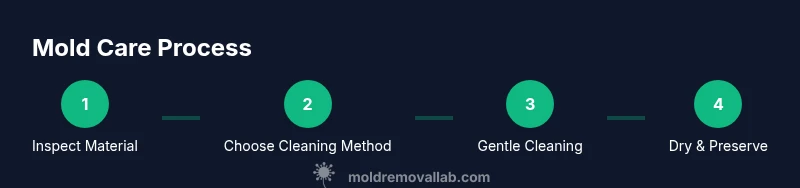
Cleaning antique jello molds requires material-specific care and a gentle touch. Start with a soft brush to remove loose dust, then wash in warm water with a mild dish soap. Do not submerge pewter or lead-containing pieces in long soaks; instead, rinse quickly and dry thoroughly. For glass and ceramic molds, use a soft sponge and avoid abrasive pads that can scratch glaze or remove decorative paint. If you encounter stubborn grime, try a solution of distilled water with a few drops of mild soap and a soft cloth. Avoid dishwasher cycles, strong acids, or alkaline cleaners, which can damage patina, glaze, or metal integrity. Dry completely to prevent moisture-driven corrosion.
Include a soft microfiber cloth for polishing, but never rub aggressively. If a piece shows significant corrosion or flaking, stop cleaning and consult a professional conservator.
Safety considerations for display and use
Even decorative pieces can pose risks. Lead content in older pewter alloys is a common concern when handling antique jello molds. Always test before any food use or heating if you suspect lead exposure. Wear gloves to protect your skin from sharp edges and avoid inhaling dust from old glaze or patina during cleaning. Work in a well-ventilated area, especially if you decide to use any cleaning solutions beyond water and mild soap. If a mold shows signs of structural weakness, do not use it for display where it could fall, and consider professional stabilization. Proper handling reduces the chance of accidents and preserves the piece’s value.
For family safety, avoid using vintage molds with unknown history for food. Display-only use and archival storage are safer options when material or glaze safety is uncertain.
Preservation strategy: preservation vs restoration decisions
Patina and wear on an antique jello mold are part of its character and provenance. Decide between preservation (maintaining current condition) and restoration (reversing visible damage) based on value and risk. Light cleaning to stabilize and prevent further deterioration is often preferred over aggressive restorations that could reduce value. If a piece has structural issues—cracks in ceramic, loose attachments, or heavy corrosion—consult a professional conservator. When restoration is appropriate, document every intervention and retain records of original materials. A cautious, well-documented approach protects both safety and historical value.
In many cases, minimal intervention that stabilizes the piece is enough to keep it collectible and safe for display.
Display and storage ideas that protect value
Choose display options that limit exposure to humidity and temperature swings. A dust-free cabinet with controlled humidity is ideal for keeping molds in good condition. Use acid-free tissue to wrap and separate pieces to prevent chipping during storage. If you plan to display molds, position them away from direct sunlight to slow glaze wear and fading. For metal molds, consider soft padding between items to prevent scratching. Label each piece with a brief history, date range, and any known maker marks to enhance understanding for future owners. Regular gentle dusting helps maintain appearance without removing patina.
Proper storage and display not only preserve value but also reduce the likelihood of accidents in homes with children or pets.
Authoritative sources and further reading
If you want to verify material safety and best practices, consult authoritative sources on lead safety and heritage conservation. The following resources provide guidance on safe handling of older metalware and hazardous materials, as well as general conservation principles. While not mold remediation-specific, they offer essential safety frameworks for collectors and caretakers.
- Authoritative source 1: https://www.cdc.gov/nceh/lead/prevention/default.htm
- Authoritative source 2: https://www.epa.gov/lead
- Authoritative source 3: https://www.niehs.nih.gov/health/topics/agents/lead/index.cfm
Tools & Materials
- Soft-bristle brush(For dust and loose grime; avoid stiff brushes.)
- Mild dish soap(Dilute in warm water; use sparingly.)
- Distilled water(Prevents mineral deposits on metal and glaze.)
- Soft microfiber cloth(For gentle cleaning and polishing.)
- Cotton swabs(Target crevices without abrasion.)
- Nitrile gloves(Protect hands from sharp edges and cleaners.)
- Archive-safe tissue or cotton padding(Padding for storage.)
- Glass or plastic container for testing (optional)(Use for short soaks if needed; avoid metal containers.)
Steps
Estimated time: 60-90 minutes
- 1
Assess material and risk
Begin by visually inspecting the mold for cracks, glaze wear, or heavy corrosion. Note the material (pewter, glass, ceramic, or metal). If you suspect lead content or significant damage, plan for cautious handling and consider professional advice.
Tip: Document any marks or damage with photos before touching the piece. - 2
Gather appropriate tools
Set out mild soap, distilled water, a soft brush, microfiber cloth, gloves, and cotton swabs. Avoid abrasive cleaners or metal scrubbers that could scratch or remove glaze or patina.
Tip: Prep a safe, clean workspace with a tray to catch drips. - 3
Rinse and dust gently
Use warm distilled water with a drop of soap to lightly rinse the surface. Brush away loose dust with a soft brush; avoid scrubbing hard on fragile glaze or patina.
Tip: Never soak pewter or lead-containing pieces for long periods. - 4
Clean metal surfaces carefully
For pewter and metal pieces, use a soft cloth and gentle soap solution. Rinse quickly and dry with a clean microfiber cloth to prevent water spots and corrosion.
Tip: If verdigris or heavy corrosion appears, stop and seek professional guidance. - 5
Tackle glass and ceramic segments
If glaze is intact, clean with mild soap and soft sponge. For stubborn grime in crevices, use a cotton swab dampened with distilled water. Avoid soaking these pieces for long periods.
Tip: Test a small inconspicuous area first to ensure colors won’t fade. - 6
Dry thoroughly and inspect again
Dry the piece completely and recheck for damp areas or rusting edges. Drying prevents moisture-related damage and helps you spot any new issues after cleaning.
Tip: Let air-dry in a well-ventilated area, not in direct heat. - 7
Decide on preservation vs restoration
Evaluate whether light stabilization is enough or if professional conservation is warranted. Record any changes and avoid irreversible alterations that could reduce value.
Tip: Preservation is often preferable to aggressive restoration for antiques. - 8
Plan display or storage
Choose a display case or storage method that minimizes humidity and handling. Use padding and label informative details about origin, date, and material.
Tip: Keep out of direct sunlight to prevent glaze and patina fading.
FAQ
Are antique jello molds safe to display around food?
Most antique jello molds are better kept as display items rather than for food use, especially if their glaze or metal contains unknown materials. If you must use them for display only, do not attempt to cook or heat food in them. Always verify material safety before any storage with edible items.
Antique molds are generally best kept as display pieces unless you know their material is food-safe; avoid heating or cooking with them.
What should I do if a mold has visible lead-related corrosion?
If you notice lead-related corrosion or flaking, stop handling aggressively and consult a professional conservator. Do not heat or use for food until tested and confirmed safe.
If you see lead corrosion, stop using it and seek expert advice before any handling or use.
Can I restore antique jello molds myself at home?
Light stabilization and careful cleaning are sometimes appropriate, but aggressive restoration can reduce value. Keep detailed records and consider professional conservation for major cracks, glaze loss, or structural issues.
Simple stabilization is possible, but major restoration should be left to professionals to protect value.
How should I store antique molds to prevent damage?
Store in a dry, stable environment with acid-free tissue between pieces. Use padded shelving and avoid stacking heavy items that could cause chips. Document origin and material on storage labels.
Store in a dry, padded, labeled setup to prevent chips and degradation.
Where can I find credible information about safe handling of older metalware?
Refer to established public health and conservation resources such as the CDC, EPA, and NIEHS for general guidelines on metal safety and preservation practices. They provide frameworks that help you assess risk and take safer steps.
Check CDC, EPA, and NIEHS for general safety and preservation guidelines.
Watch Video
The Essentials
- Identify the material before cleaning to choose the right method.
- Use gentleness over aggression to preserve patina and value.
- Test for lead content if the mold is pewter-based before any food use.
- Document maker marks and condition for future provenance.
- Display or store in controlled conditions to prevent deterioration.