What to Do If Mold Spores Are in the Air: A Homeowner's Guide
Practical steps to reduce airborne mold spores, protect indoor air quality, and safely inspect moisture sources with expert guidance from Mold Removal Lab.


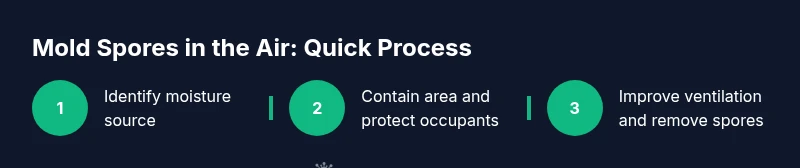
If you’re wondering what to do if mold spores are in the air, start by reducing moisture, isolating affected areas, and boosting ventilation. Use a HEPA air purifier and wear appropriate PPE while you inspect damp spots, dry them, and plan a safe remediation approach. If symptoms persist or growth is visible, stop DIY work and contact a professional.
Understanding airborne mold spores and health impacts
Mold spores are microscopic reproductive units released by mold colonies. They travel through the air and can enter your home via doors, windows, HVAC systems, or on clothing and pets. When spores settle on moist surfaces, they can begin to grow into visible colonies, releasing more spores and potentially triggering allergic reactions or respiratory irritation for sensitive individuals. For homeowners, it’s important to recognize that airborne spores signal ongoing moisture issues rather than a one-time nuisance. The question many ask is not whether spores exist in the air, but what to do if mold spores are in the air and how to respond safely. According to Mold Removal Lab, addressing moisture sources is the cornerstone of any effective response. In turn, improving air movement and filtration helps reduce exposure while you plan a remediation strategy. Real-world exposure varies by sensitivity, age, and preexisting conditions, so act with caution and prioritize safety for everyone indoors.
noteListParagraphsOrderNotImportantOnlyActiveContentTextAfterInitialParaphraseInThisBlockForSEO
Tools & Materials
- HEPA air purifier(Choose a unit rated for the room size; place it in the affected area for continuous filtration.)
- N95 respirator or higher(Ensure proper fit; replace if it becomes damp or damaged.)
- Disposable gloves(Latex-free preferred; use new gloves for each containment session.)
- Protective eye protection(Goggles or face shield to prevent splashes or dust exposure.)
- Plastic sheeting and painter’s tape(Create a containment barrier to limit spore spread.)
- Moisture meter or hygrometer(Track humidity and drying progress in real-time.)
- Flashlight or headlamp(Dark corners reveal hidden moisture and mold growth.)
- Mop/bucket and non-ammonia cleaner(Use EPA-registered mold cleaners; avoid mixing cleaners.)
- Trash bags (heavy-duty) and disposal container(Seal contaminated materials before removal.)
- Vacuum with HEPA filter(Use for cleanup only after containment is set up.)
- Mold test kit (optional)(For confirming presence after remediation, not a substitute for professional assessment.)
Steps
Estimated time: 2-5 days total, depending on extent and moisture control effectiveness.
- 1
Identify damp sources and affected areas
Start with a thorough walk-through to locate visible mold and obvious moisture problems. Look for staining, musty odor, condensation on windows, or leaks in roofs, pipes, or walls. Document with photos before you change anything.
Tip: Label each area on a floor plan to map out containment zones. - 2
Contain the area to prevent spread
Close doors to isolate the space and set up plastic sheeting as a barrier. Use tape to seal gaps around doors and vents if feasible. Avoid disturbing mold growth until containment is in place.
Tip: Don’t run fans directly at the mold; indirect ventilation helps avoid pushing spores farther. - 3
Reduce humidity and increase ventilation
Run the HEPA purifier, open windows if outdoor air is safe, and use dehumidifiers to bring indoor humidity below 50%. Prolonged high humidity sustains mold growth.
Tip: Monitor with a hygrometer; small changes can make a big difference. - 4
Clean up small, non-porous moldy spots
For tiny patches on non-porous surfaces, wipe with EPA-approved cleaner and dry immediately. Do not scrub porous materials like drywall without professional guidance, as spores can become airborne.
Tip: Wear PPE throughout cleaning and discard cleaning materials after use. - 5
Address leaks and fix moisture sources
Repair roof, plumbing, or window leaks promptly. After fixing, dry out the area completely before reinstalling or reoccupying the space.
Tip: Document repairs and maintenance to prevent recurrence. - 6
Careful removal of porous materials
If porous materials (drywall, carpet) are moldy beyond 10-15% of their area, consider professional remediation. Removing moldy porous materials yourself can release spores into the air.
Tip: If in doubt, pause and consult a pro rather than proceeding DIY. - 7
Disposal of contaminated materials
Bag and seal contaminated debris in heavy-duty trash bags before removing from the containment area. Wash hands and exposed skin after handling waste.
Tip: Label bags to prevent accidental exposure in transit. - 8
Post-remediation monitoring and documentation
Re-test moisture levels, re-check for odors, and document the remediation steps taken. If new growth appears, escalate to professional assessment.
Tip: Keep a log of humidity, cleaning, and repairs for future reference.
FAQ
Is it dangerous to have mold spores in the air?
Airborne mold spores can trigger allergies and asthma in sensitive people and reflect ongoing moisture problems. If symptoms occur or growth is seen, take immediate steps to reduce moisture, improve ventilation, and seek professional assessment for persistent issues.
Airborne mold spores can affect health, especially for sensitive individuals. Reduce moisture, boost ventilation, and call a pro if growth persists.
What causes mold spores to become airborne indoors?
Spores become airborne due to disturbances like cleaning, drying, or airflow from HVAC systems. Humidity, moisture intrusion, and poor filtration increase the amount of spores circulating in indoor air.
Spores get into the air when moisture is disturbed or air moves them around, especially with poor filtration.
Can I remove mold spores myself safely?
For small, non-porous patches you can attempt cleaning with approved cleaners, but porous materials or large areas should be handled by professionals to prevent spreading and exposure.
You can clean small spots on non-porous surfaces, but for bigger or porous areas, a pro is safer.
How long does it take to clear airborne mold after remediation?
Removal timelines vary with the extent of growth and moisture control. Expect drying and monitoring over several days to weeks, not hours, and plan for follow-up checks.
Remediation takes time—expect several days to weeks depending on the spread and moisture control.
Should I hire a professional if mold spores persist after cleaning?
Yes. If spores persist after DIY steps or in hidden areas, a professional assessment ensures safe containment, proper remediation, and verification of air and moisture levels.
If spores stick around after DIY attempts, it’s time to bring in a professional for a thorough fix.
Watch Video
The Essentials
- Contain and isolate the affected area quickly
- Control moisture to stop mold growth
- Use PPE and HEPA filtration when handling mold
- Consider pro remediation for extensive growth