Air Purifier for Mold: A Practical How-To Guide
Learn how to choose, use, and maintain an air purifier for mold to reduce airborne spores, odors, and moisture-driven growth in your home. Practical steps for homeowners and renters.


Using an air purifier for mold can reduce indoor mold spores and improve air quality while you address moisture sources. This guide helps homeowners choose the right purifier, position it effectively, and maintain filters for ongoing protection. According to Mold Removal Lab, selecting a true HEPA purifier and pairing it with moisture control is essential for safe, lasting results.
What an air purifier for mold does
Mold growth thrives in damp, poorly ventilated spaces and releases spores that circulate in the air. An air purifier designed for mold targets those spores as they float by, helping to improve indoor air quality while you tackle the moisture sources. According to Mold Removal Lab, true HEPA filtration is a critical component of effective mold control because it captures a wide range of spores that can irritate the lungs or trigger allergies. The purifier itself does not kill mold on surfaces; it reduces airborne spores and makes cleanup safer and more manageable by slowing down re-contamination. In practice, use purifiers as a companion to moisture control: fix leaks, dry damp areas, and improve ventilation. For renters and homeowners, a model with a sturdy build and simple maintenance will keep you moving forward instead of chasing clogged filters. Run the unit in the affected room, and consider adding a second unit for larger or very damp spaces.
Key features to look for in an air purifier for mold
When choosing a purifier for mold, prioritize models with true HEPA filtration, a reliable filter replacement schedule, and a design that suits your room size. A strong Clean Air Delivery Rate (CADR) rating helps ensure the unit moves air efficiently, while multiple filtration stages, including a pre-filter and an activated carbon stage, help trap dust, spores, and odors. Avoid devices that generate ozone or rely primarily on UV-C light as the main solution, since those approaches can pose safety concerns in occupied homes. Mold Removal Lab notes that pairing HEPA with carbon filtration provides practical benefits in damp environments. Consider noise level, energy use, and ease of filter access. If you live in a large home or have several moisture-prone areas, you may want more than one purifier or a model with a larger coverage claim. Finally, verify that the purifier’s components are replaceable and widely available so maintenance remains straightforward.
How to size a purifier for a room
Sizing a purifier starts with measuring the space you want to treat. Multiply length by width by height to estimate the room’s volume, then compare that figure to the purifier’s stated coverage. In practice, choose a unit whose claimed coverage matches or slightly exceeds the room size to account for air circulation patterns and doorways. If you have open-plan spaces or multiple rooms compromised by moisture, you may need two or more purifiers or a single unit with a larger intake. If you have open-plan spaces or multiple rooms compromised by moisture, you may need two or more purifiers or a single unit with a larger intake. Remember that air purifiers benefit from free passage around the intake and exhaust—avoid placing them in corners or behind furniture. In settings with ongoing leaks or high humidity, plan on running purifiers longer and possibly in tandem with a dehumidifier to keep moisture under control. The goal is consistent air movement rather than a one-off pass.
Placement and usage guidelines
Placement matters as much as the purifier’s specifications. Position the unit in or near the center of the affected room, with space around it for airflow (usually 1–2 feet from walls). Keep doors and windows closed to prevent treated air from dispersing to other areas. Run purifiers continuously during active remediation and as long as damp conditions persist, then taper usage as humidity stabilizes. If you have multiple rooms, distribute units so each space benefits from fresh air circulation. Use timers or smart plugs to maintain regular operation, and avoid blocking vents or placing the purifier behind curtains or furniture. Regular checks on the unit’s filters aid early detection of reduced airflow or increased noise, signaling a needed change.
Operating during remediation
During cleaning and mold remediation, purifiers work best when running continuously. Start by turning on the purifier(s) before you begin surface cleaning and leave them running throughout the process. Keep doors closed to prevent spores from escaping to other rooms, and coordinate purifier usage with any dehumidification or ventilation efforts. After you finish cleaning a space, continue running the purifier for additional hours to reduce residual spores. If you notice a strong musty odor or visible residue persisting, reassess moisture sources and consider additional units or more frequent filter changes. Maintain PPE and follow safe cleaning practices to minimize exposure during remediation. Mold Removal Lab emphasizes that a purifier is a support tool—not a substitute for moisture control.
Filtration, odors, and exhaust considerations
Mold spores travel with air, so filtration should be the purifier’s primary function. A robust HEPA stage captures particles effectively, while an activated carbon stage helps mitigate odors associated with damp environments. Ensure the purifier’s exhaust is directed toward a central area rather than back into the same room if possible, to promote better air exchange. Watch for signs of filter degradation, such as reduced airflow or a sudden increase in noise. If you operate in a small apartment or a room with limited ventilation, consider a second unit or a purifier with a wider clean-air delivery rate. Do not rely on purifiers to sanitize hard surfaces—wipe surfaces thoroughly and dry them as part of a broader remediation plan.
Monitoring progress and signs of effectiveness
Air purifiers can show you when air quality is improving but should not be your only gauge. Track humidity levels with a moisture meter and note changes in condensation, musty odors, or coughing symptoms among occupants. If you still observe frequent moisture buildup, leaks, or visible mold growth after several days of purifier use, escalate remediation efforts and check for hidden moisture sources. Periodic visual inspections of walls, ceilings, and hidden spaces assist in early detection of regrowth. Keep a simple log of readings, dates, and actions so you can correlate improvements with your moisture control steps. If you notice no improvement after implementing purifier strategies, consult a Mold Removal Lab guide for next steps.
Maintenance, filter changes, and safe disposal
Regular maintenance keeps purifiers effective. Replace true HEPA and carbon filters according to the manufacturer’s schedule, and inspect pre-filters monthly for buildup. Clean the unit’s exterior with a damp cloth and ensure the intake and exhaust grills remain unobstructed. When you replace filters, seal used components in a bag before disposal to limit exposure to dust and spores. Maintain PPE during maintenance and avoid touching your face. If a purifier unit becomes visibly damp or develops a moldy odor itself, stop using it and replace affected components. Proper disposal and storage when not in use prevent cross-contamination and help sustain ongoing air quality improvements.
Safety warnings and when to escalate
Purifiers are helpful but not a stand-alone fix for significant mold problems. Do not rely on purifiers to replace professional remediation for large areas, structural mold, or sensitive occupants. If you observe mold growth over large areas (for example, more than a few square feet in multiple rooms) or if occupants experience persistent allergic or respiratory symptoms, contact a licensed remediation professional. Avoid devices that emit ozone or rely on aggressive UV-C disinfection as the primary method in living spaces. Purifiers should be used as part of a comprehensive plan that includes moisture control and thorough cleaning, not as a one-off solution.
Integrating purifiers with moisture control and cleaning
Air purifiers perform best when paired with moisture-management strategies. Use a dehumidifier, fix leaks promptly, improve ventilation, and seal surfaces to prevent future condensation. When cleaning, start with dry methods and move to damp cleaning followed by thorough drying. Place purifiers in damp zones such as basements, bathrooms, or kitchens where moisture tends to accumulate. Consider keeping a moisture meter in common areas to track humidity trends and adjust purifiers accordingly. A well-balanced approach reduces the likelihood of regrowth and helps maintain healthier indoor air over time. Monitoring humidity and continuing maintenance across seasons will keep your home safe.
Cost considerations and ROI
Investing in an air purifier for mold can be a practical financial decision when combined with moisture management. Purifier prices range from affordable models suitable for small spaces to higher-end units capable of handling larger rooms or demanding environments. Beyond the initial purchase, plan for ongoing costs such as filter replacements and electricity. When evaluating value, consider factors such as filter life, replacement frequency, energy efficiency, noise level, and warranty. A purifier is most cost-effective when used as part of a broader mold-prevention plan that includes leak repair, humidity control, and regular cleaning. In spaces with persistent moisture, the long-term savings from reduced rework, fewer cleaning cycles, and fewer symptoms for occupants can offset ongoing upkeep. The Mold Removal Lab team recommends estimating total annual costs and comparing them to the potential benefits of improved indoor air quality and faster remediation timelines. With a thoughtful setup, you gain reliable protection without overspending on unnecessary features.
Tools & Materials
- True HEPA air purifier(Ensure the model uses true HEPA filtration (not general 'HEPA-like' filters) for mold spores.)
- Activated carbon odor filter(Optional for odor control in damp spaces.)
- Dehumidifier (portable)(Pairs with purifier to manage moisture; crucial in humid climates.)
- Microfiber cleaning cloths(For surface prep and post-cleaning wipe-downs.)
- Personal protective equipment (PPE)(Mask, gloves, and eye protection during cleanup.)
- Trash bags(Seal contaminated waste to prevent cross-contamination.)
- Measuring tape(Helpful for estimating room volume when sizing purifiers.)
- Extension cord/power strip(Ensure safe, non-trip setup for multiple devices.)
- Moisture meter(Useful for tracking humidity trends over time.)
Steps
Estimated time: 2-4 hours
- 1
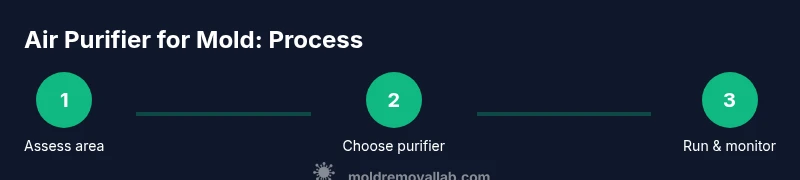
Assess the mold situation
Survey affected areas, sketch layout, and note moisture sources. Take photos for reference and document any visible growth before you begin cleanup.
Tip: Wear PPE and avoid disturbing visible growth to minimize exposure. - 2
Set up your purification plan
Decide how many purifiers you’ll use and where to place them for maximum airflow. Plan to run them continuously during remediation.
Tip: Aim for at least one unit per large space and distribute airflow evenly. - 3
Prepare surfaces for cleaning
Vacuum with a HEPA attachment and wipe surfaces with a damp cloth to remove loose spores before deep cleaning. Clear the area of items that may block air paths.
Tip: Always wear PPE and avoid dry sweeping, which can aerosolize spores. - 4
Address moisture sources
Fix leaks, dry damp areas thoroughly, and improve ventilation. Without moisture control, mold returns even with purifiers running.
Tip: Use a dehumidifier in conjunction with purifiers when humidity remains above the recommended range. - 5
Run purifiers during remediation
Turn on units before cleaning begins and keep them running throughout the process. Centralize exhaust away from living spaces when possible.
Tip: Avoid moving units mid-clean to prevent air path disruption. - 6
Dry and re-check
After cleaning, ensure spaces reach dryness and monitor for condensation. Re-check hidden spaces that may trap moisture.
Tip: Reassess with moisture meter for objective confirmation. - 7
Replace and maintain filters
Inspect filters regularly; replace when clogged or after a remediation cycle. Clean the casing and ensure seals are intact.
Tip: Keep spare filters on hand to minimize downtime. - 8
Dispose of contaminated waste safely
Bag and seal contaminated materials; discard in outdoor trash if possible. Wash hands and PPE after handling waste.
Tip: Do not reuse contaminated bags inside living spaces. - 9
Reassess mold growth
Perform a follow-up inspection after a remediation cycle to confirm no regrowth. Consider professional testing if there are persistent concerns.
Tip: Document findings to compare with prior conditions. - 10
Plan ongoing prevention
Maintain humidity control, fix leaks promptly, and keep air movement steady in moisture-prone areas.
Tip: Set monthly reminders to check humidity and filter status.
FAQ
What is the difference between HEPA and non-HEPA purifiers for mold?
HEPA purifiers are designed to capture a wide range of mold spores and fine particles more effectively than basic filters. Non-HEPA units may be less consistent at trapping tiny spores, which can allow continued airborne exposure.
HEPA purifiers trap most mold spores effectively, while non-HEPA models may miss smaller particles, making HEPA the safer choice.
Can an air purifier remove mold already growing on surfaces?
Air purifiers reduce airborne spores but do not eliminate mold growth on surfaces. Surface cleaning, moisture control, and proper remediation are required to address visible growth.
Air purifiers help with airborne spores but cleaning and moisture control are needed for surface mold.
How often should I replace filters?
Follow the manufacturer's schedule and inspect filters monthly. Replace when airflow decreases or odor returns, to maintain performance.
Replace filters per the schedule and whenever performance drops.
Is it safe to run air purifiers around kids or pets?
Yes, as long as you avoid ozone-generating devices and ensure good ventilation. Purifiers should be part of a broader moisture-control plan in homes with children or animals.
Yes, just avoid ozone devices and ensure proper ventilation with kids and pets around.
Will an air purifier fix a mold problem entirely?
No. An air purifier helps reduce airborne spores but does not replace remediation for structural mold or severe moisture issues.
No—purifiers help with air quality, not complete mold remediation.
Should I use an air purifier with a dehumidifier?
Yes. Pairing a purifier with a dehumidifier improves moisture control and speeds up mold mitigation in damp environments.
Pair purifiers with a dehumidifier for better moisture control.
Watch Video
The Essentials
- Choose a true HEPA purifier for mold control.
- Place units strategically and run continuously during remediation.
- Pair purification with moisture control for lasting results.
- Regularly maintain filters and monitor humidity.
- The Mold Removal Lab team recommends professional help for large-area mold.